
GlassSync

Capstone Project 44 – Web-based Glass Manufacturing System

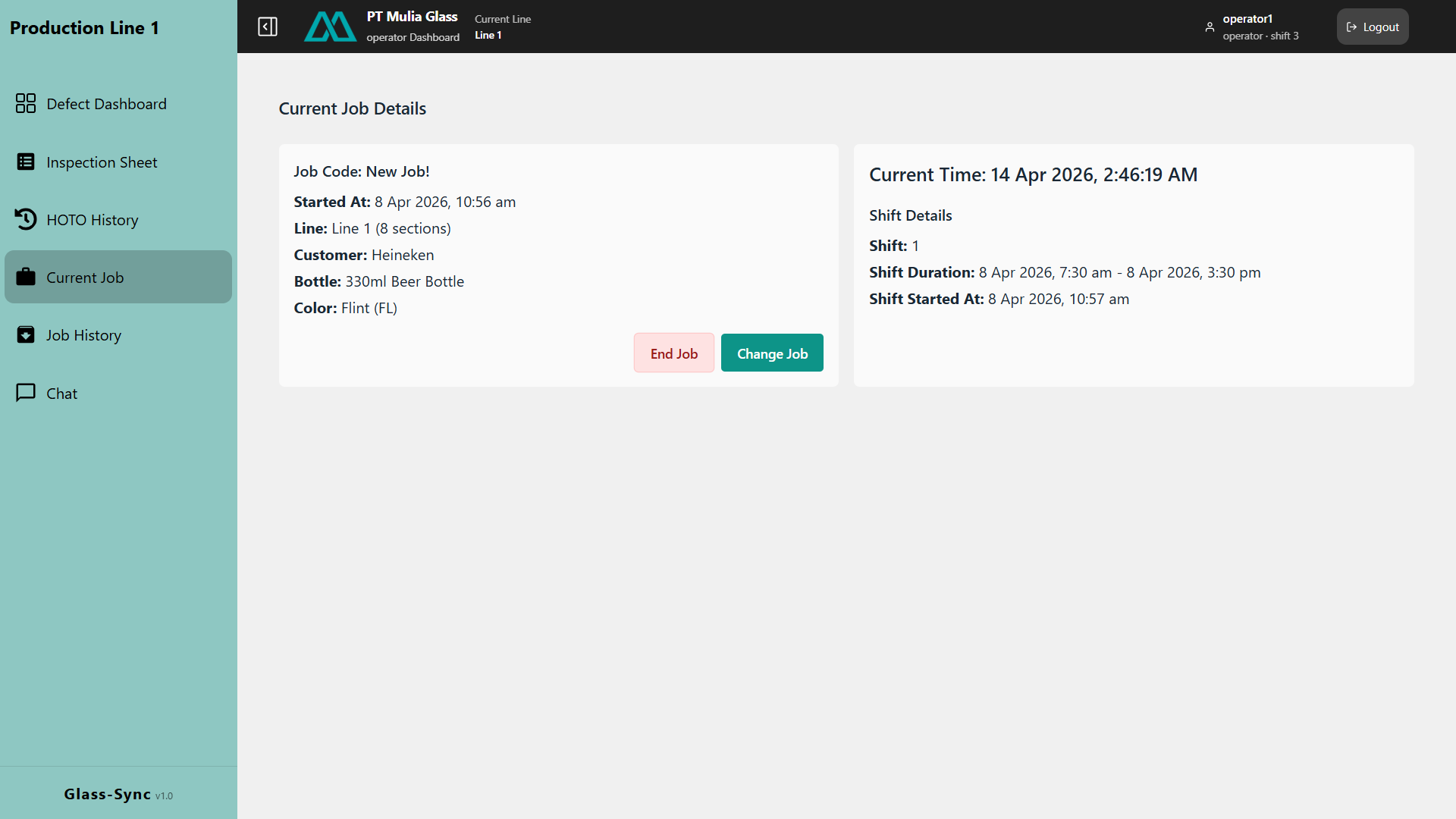
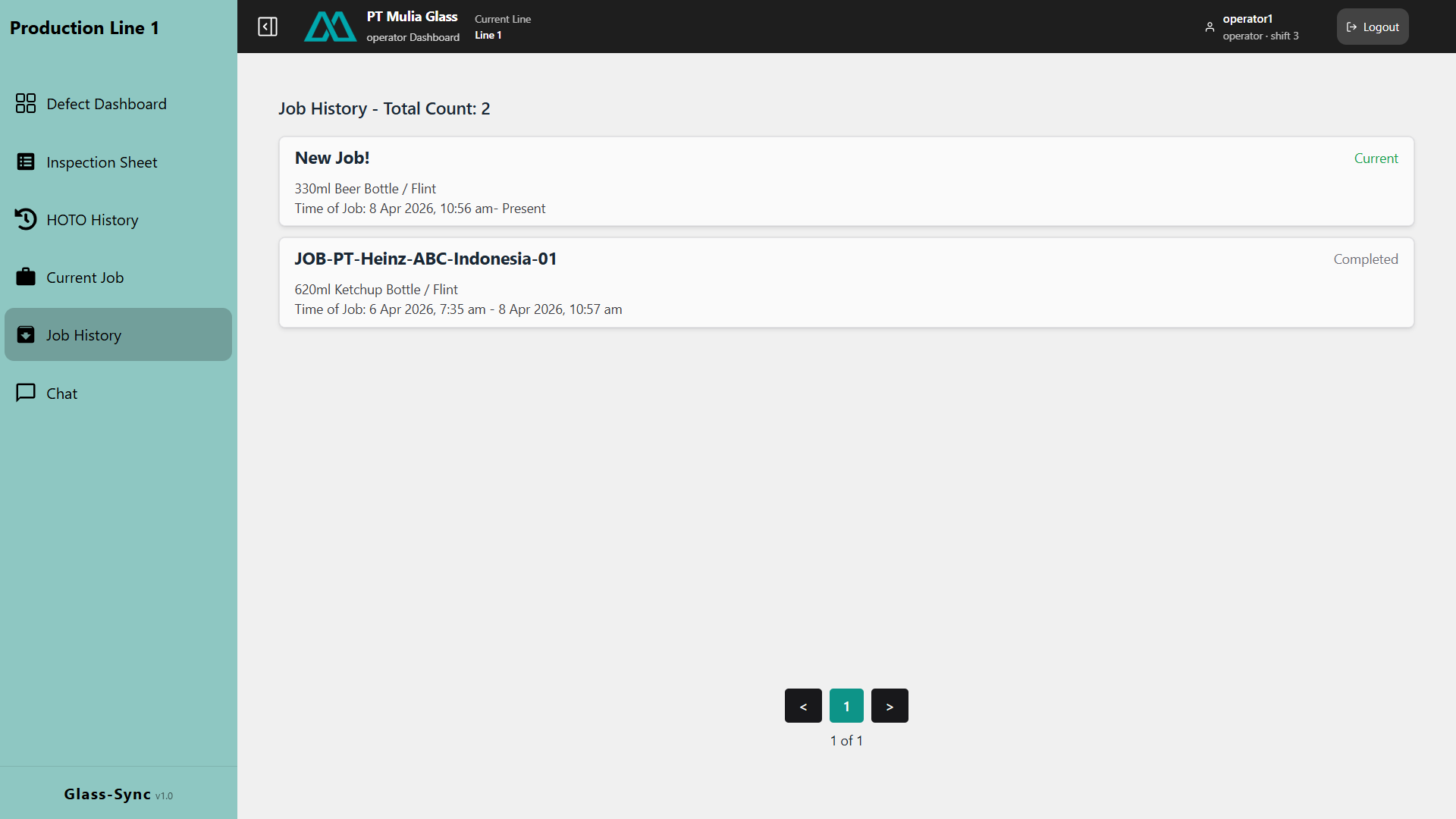
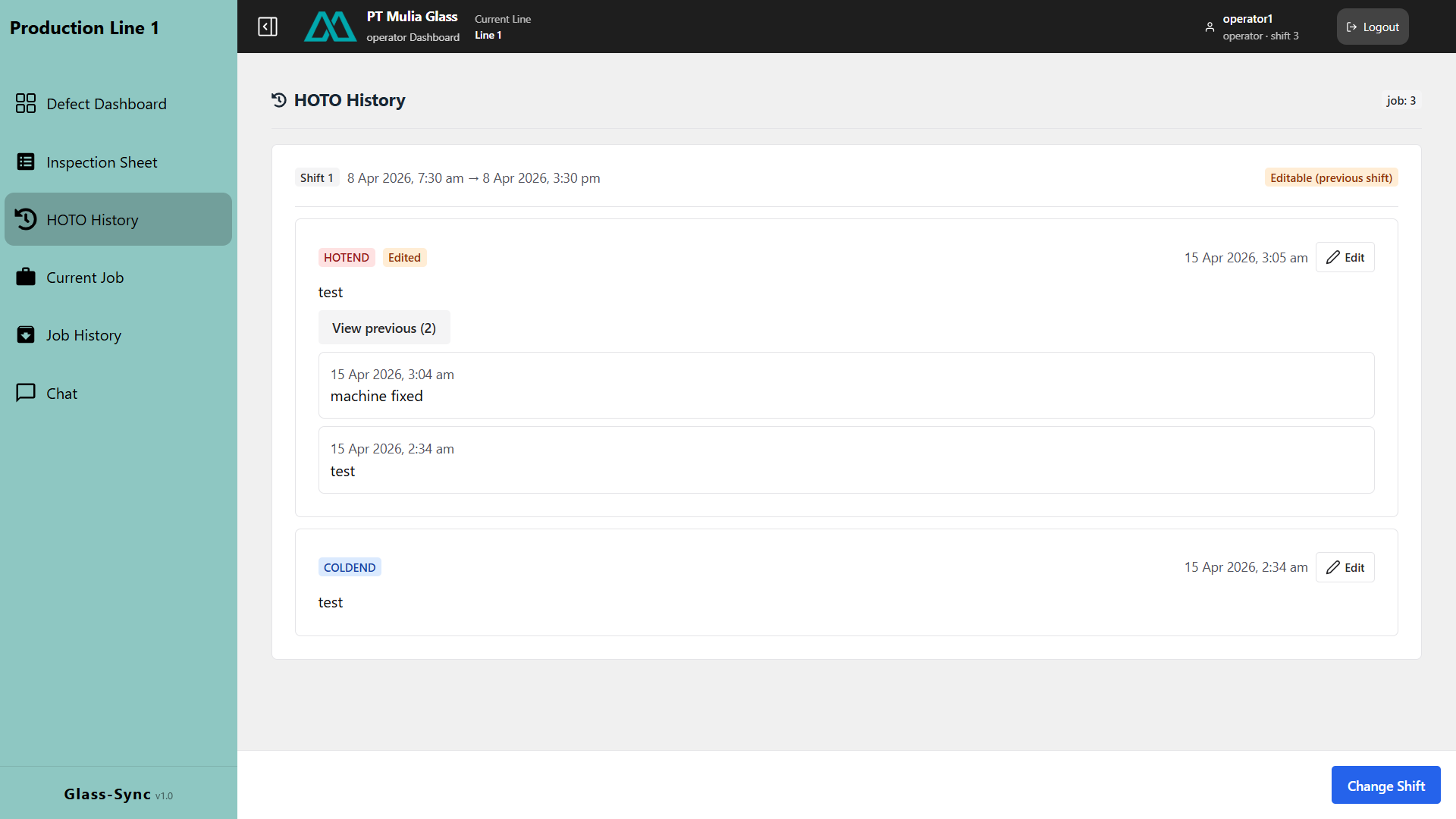
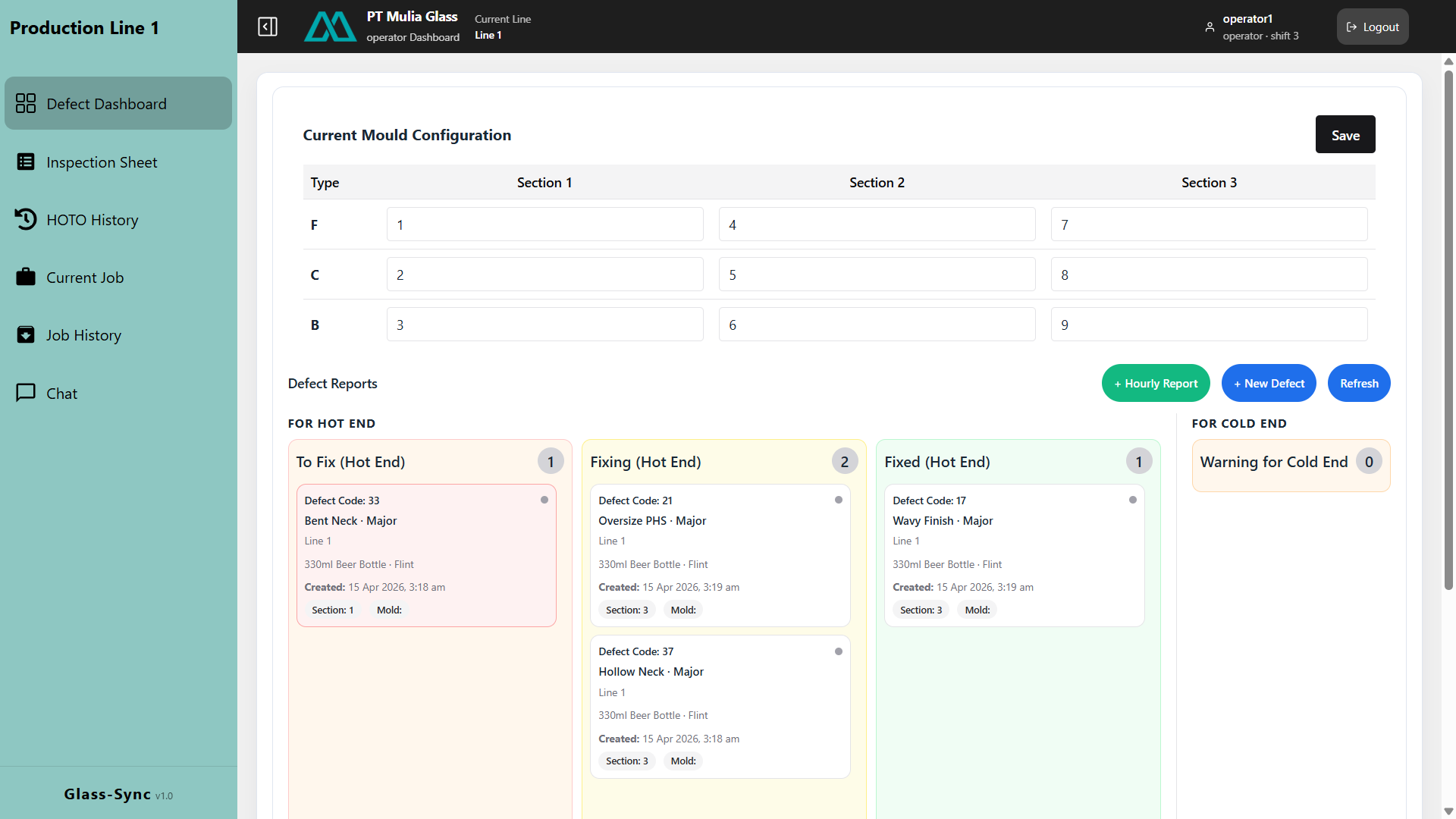
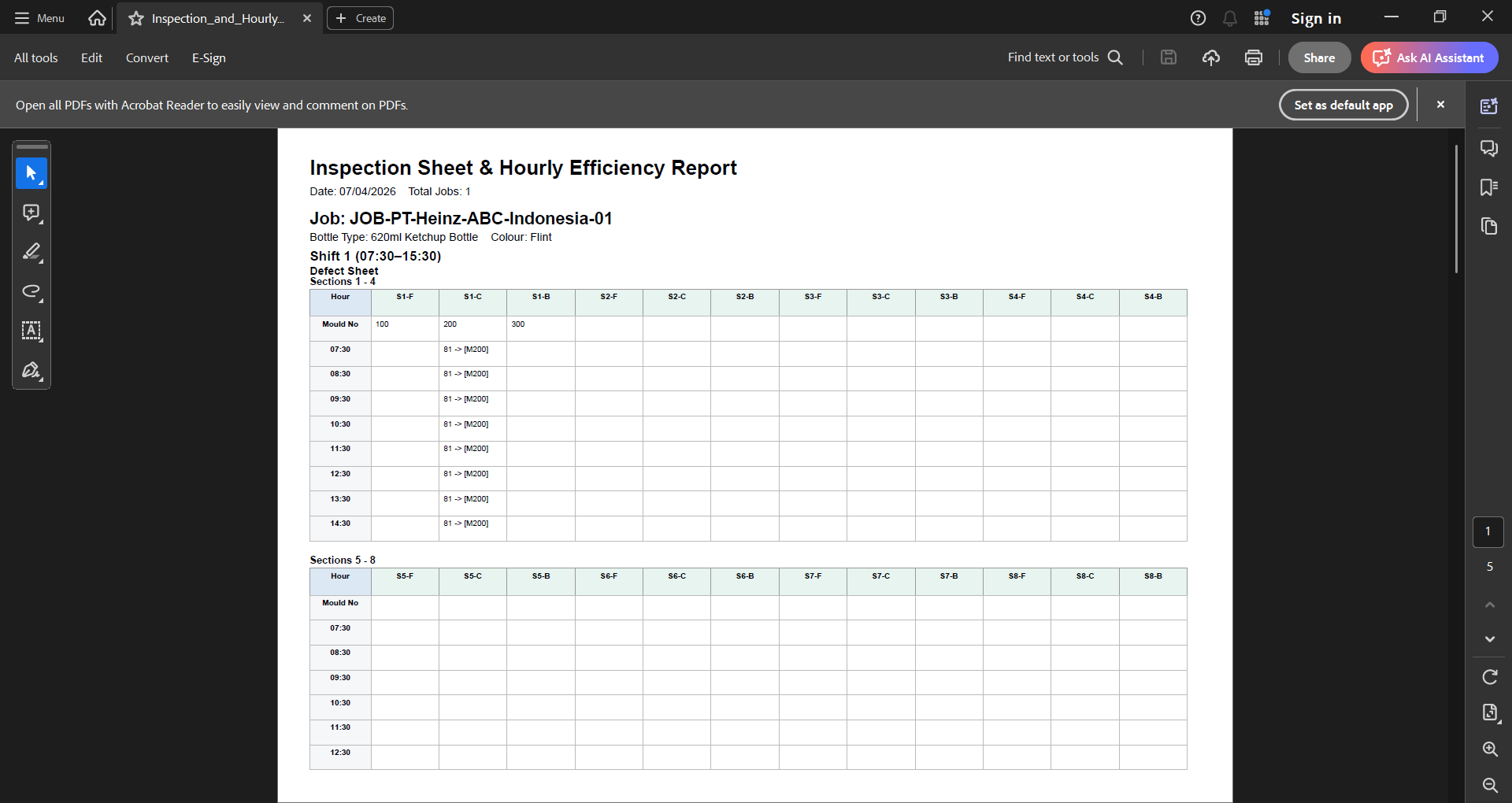
Partnering with Mulia Group, our team addressed a critical communication gap where factory operators manually relayed defect data across the production line. We developed GlassSync to digitize this workflow, replacing physical inspection sheets with an instantaneous feedback loop between the hot and cold ends.

Introducing GlassSync

GlassSync is a real‑time web application designed to streamline defect reporting in glass manufacturing lines. By replacing manual, physical reporting with a fast and intuitive digital workflow, the platform improves communication between hot‑end and cold‑end operators, reducing delays and enabling quicker corrective actions that enhance production visibility, product quality, and coordination in factory environments.

Team members

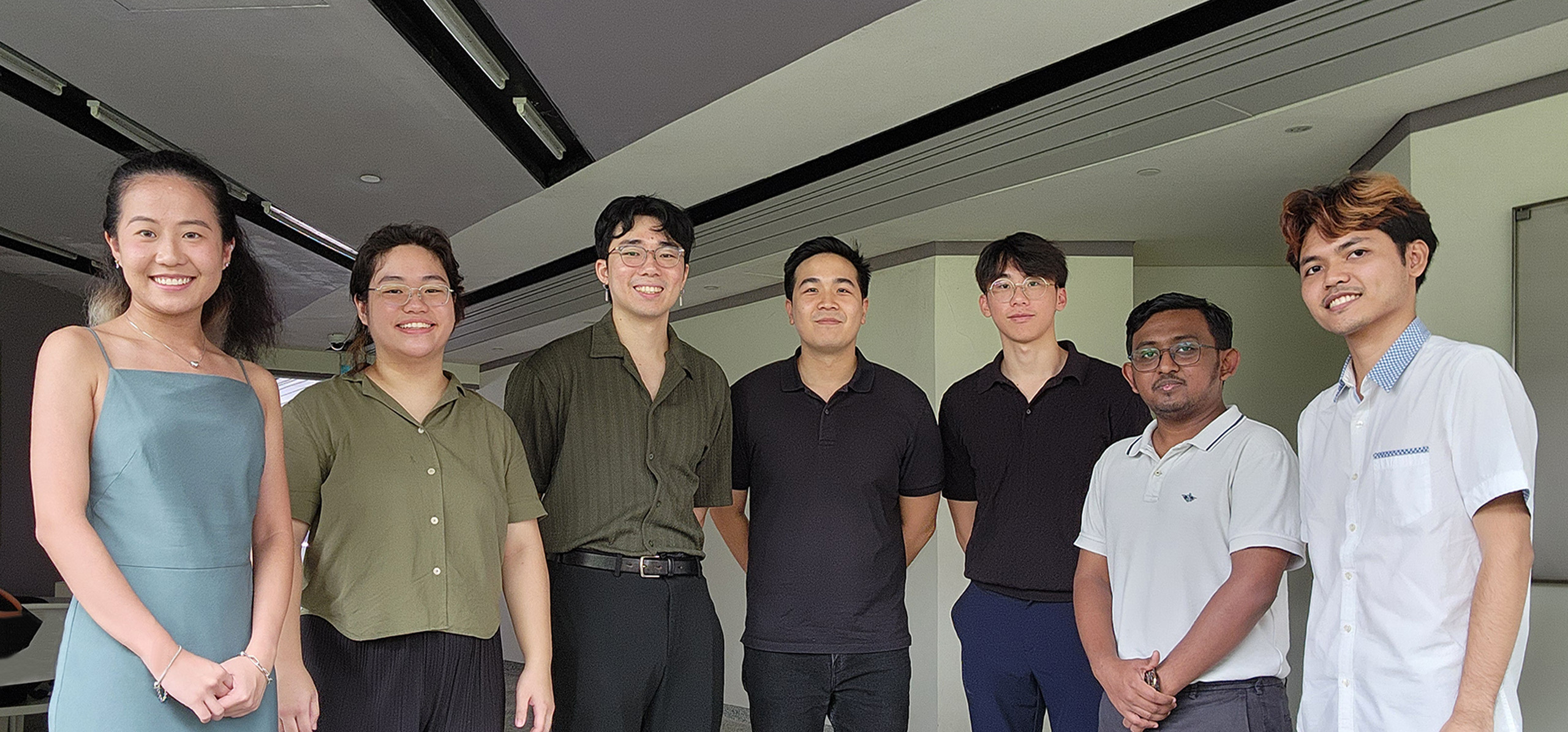
Myo Min Khant (ISTD), Royce Lim Way Tat (ISTD), Brendan Keith Robert (DAI), Tan Shian Pei (ESD), Rufo Asli Robin (ISTD), Teng Shin Shoon, Nicholas (ISTD), Amanda Leong (MArch)

Instructors:

  • Geraldine Quek Cai Ting

Writing Instructors:

  • Bernard Tan

  • Susan Wong

Problem Statement

Cold end operators spend manual effort walking to relay defect issues to hot end operators. This inefficiency delays corrective action, leading to production downtime.

How might we enable real-time two-way communication of glass manufacturing defects between cold end and hot end operators to increase production efficiency?

Proposition

To improve communication, reduce downtime, and enhance production efficiency, we need a lightweight, operator-focused system transforming defect reporting from manual and delayed processes into a real-time, structured workflow.

Key Users

Cold End (CE) Operators

Mainly Detect and Report Defects: require speed and rapid submission

Hot End (HE) Operators

Identify Glass Defect Causes and Implement Fixes: require clear resolution confirmation

Supervisors

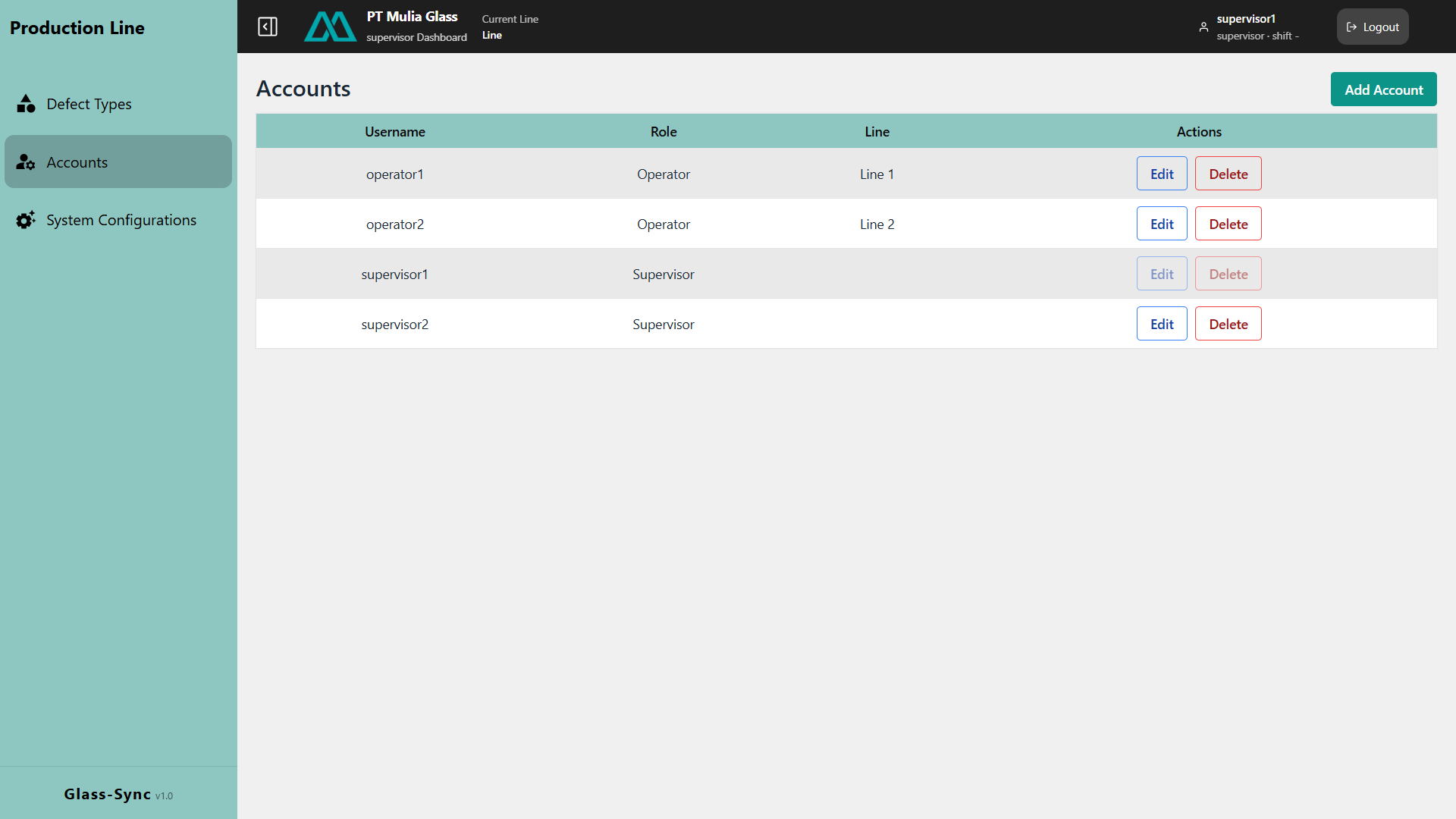
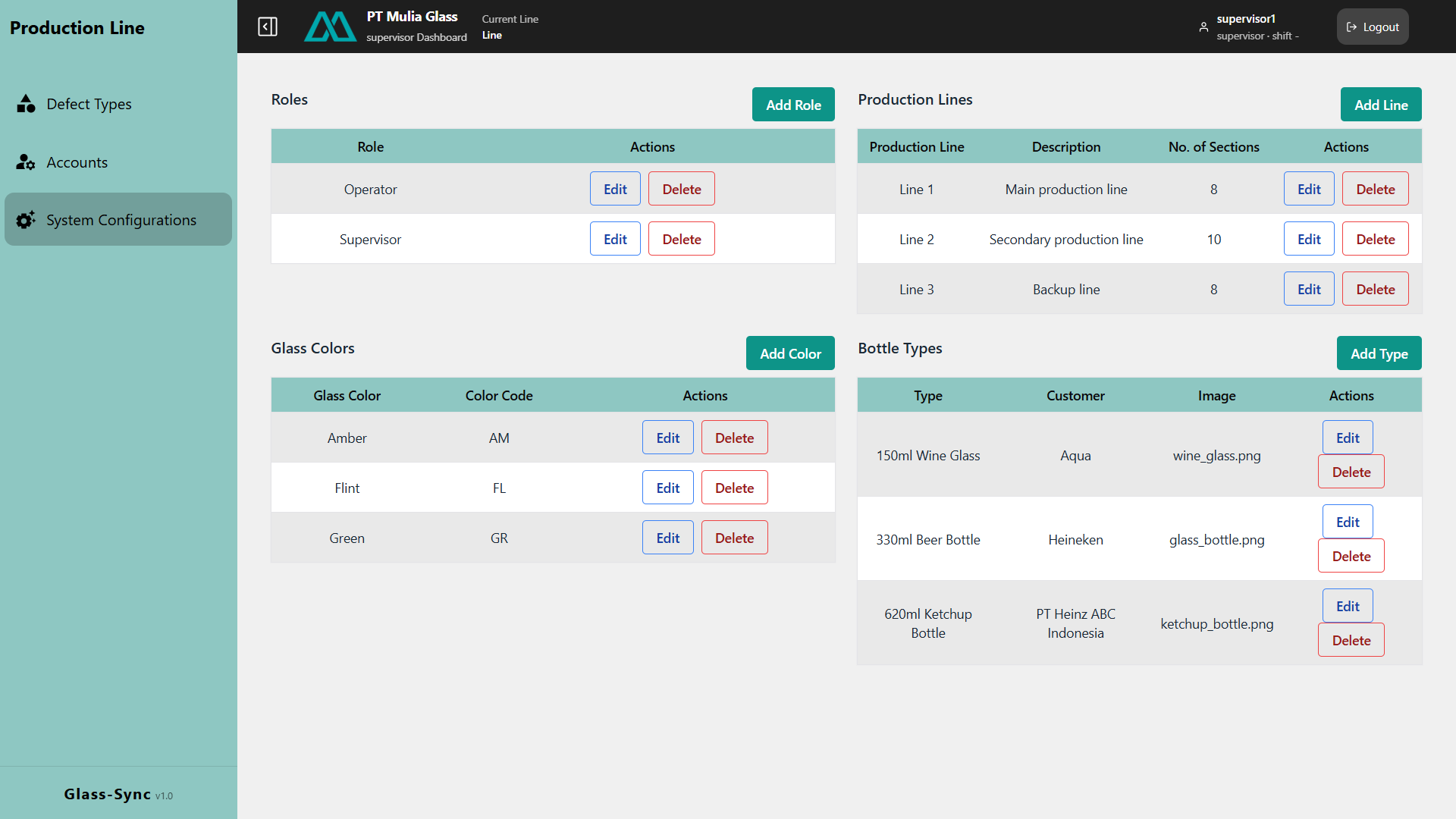
Oversee Performance and Ensure Efficiency, Quality and Stability of the Process

Core Pain Points

GlassSync is designed to address several critical inefficiencies in the manufacturing workflow. These include delays in defect reporting caused by reliance on physical movement, the lack of feedback loops after defects are reported, and the time and effort required for manual inspection sheet updates.

User Needs

We’ve listened to what operators actually need on the ground and turned those insights into clear goals for our design and performance. To show the real value of our solution, we’ve focused on four key areas that make the biggest difference in day-to-day operations. This ensures that everything we build solves a real problem and delivers results where they matter most.

Rapid Submission
Submit defects in few seconds with a streamlined workflow that minimizes physical movement.
Structured Accuracy
Eliminate logging errors and manual paperwork with automated, digital inspection formats.
Real-Time Sync
Stay connected with bidirectional communication and instant confirmations on resolved issues.
Operations Tracking
Gain full visibility with live status updates and direct access to production performance data.

Features

Key Design Principles

User-Centric Design

Focused on minimizing cognitive load with simplified workflows and minimal typing.

Intuitive Interaction

Rapid point-and-click navigation that reduces training time and operator errors.

High Visibility

A glanceable interface featuring large, clear elements for high-pressure environments.

Live Sync

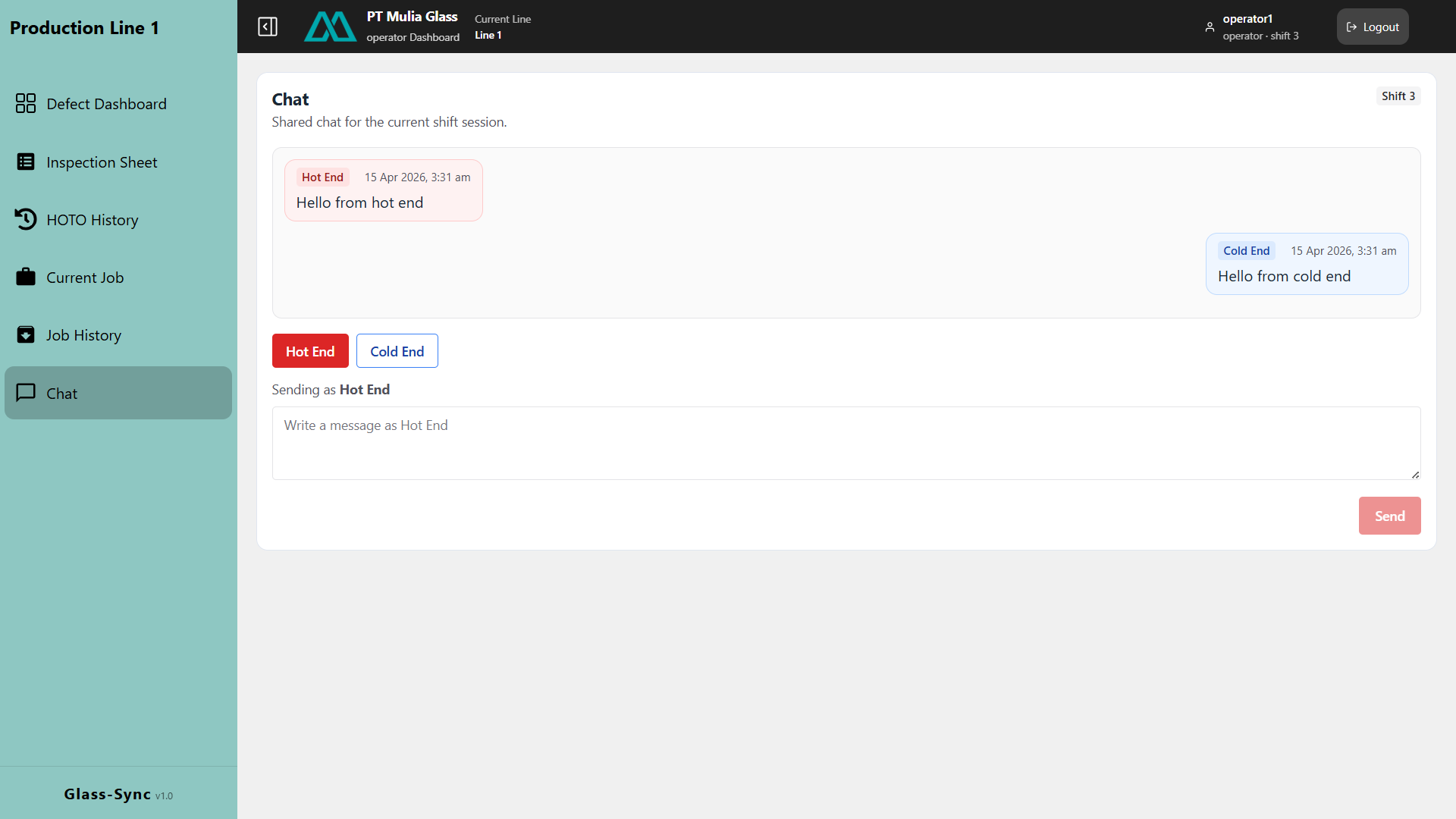
Real-time feedback and clear status updates shared instantly across the floor.

Role Simplicity

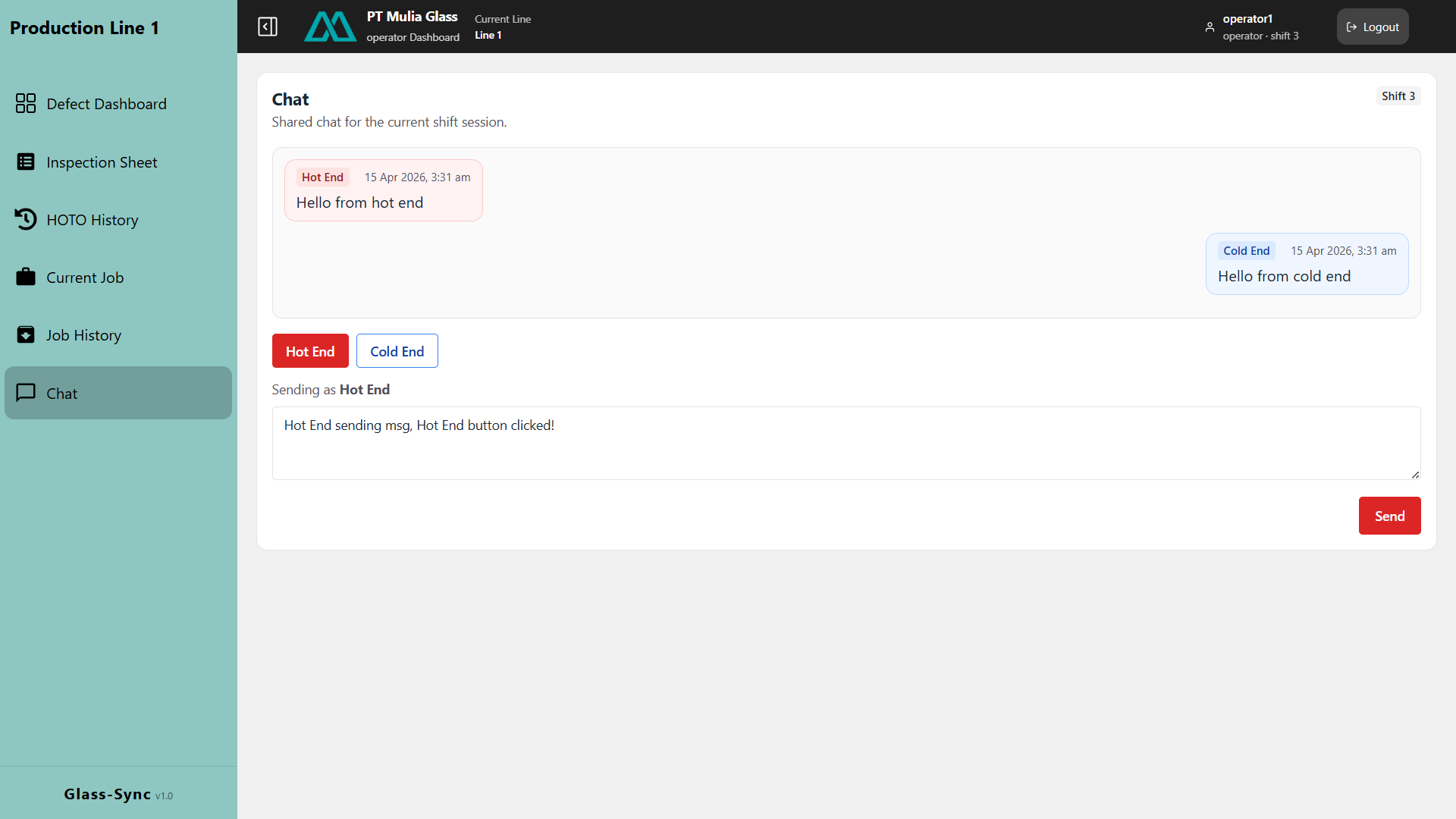
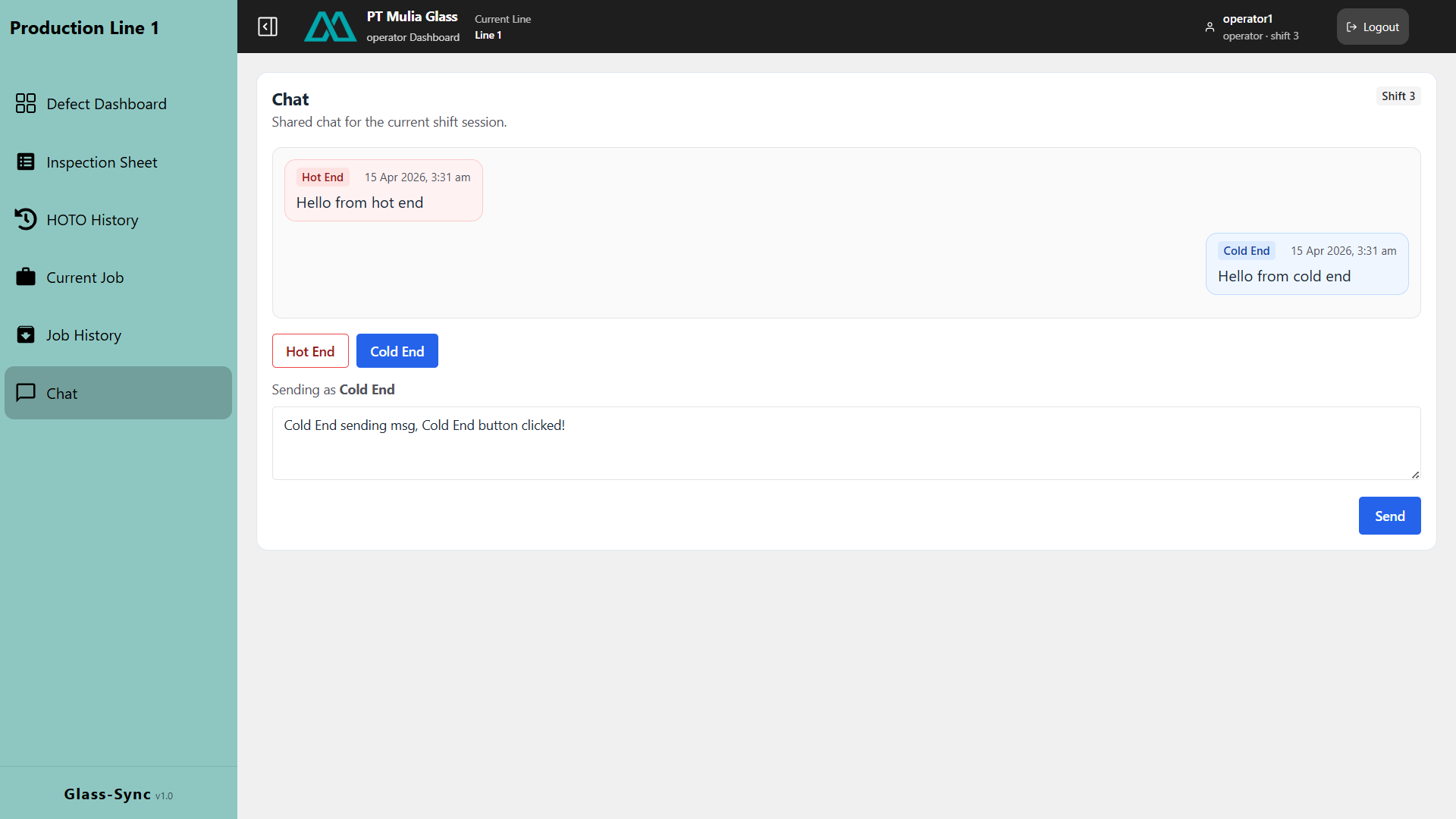
Tailored views for Cold End (submission) and Hot End (review and action).

Core Design Features

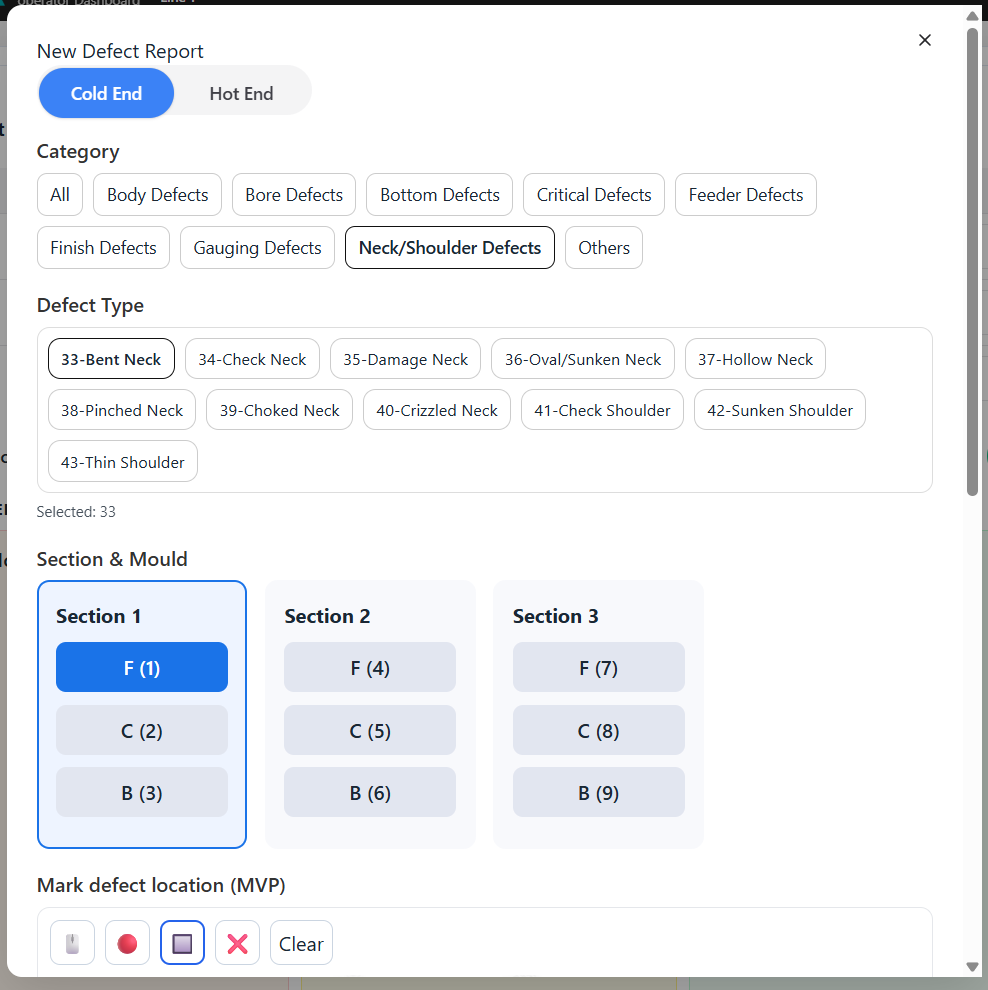
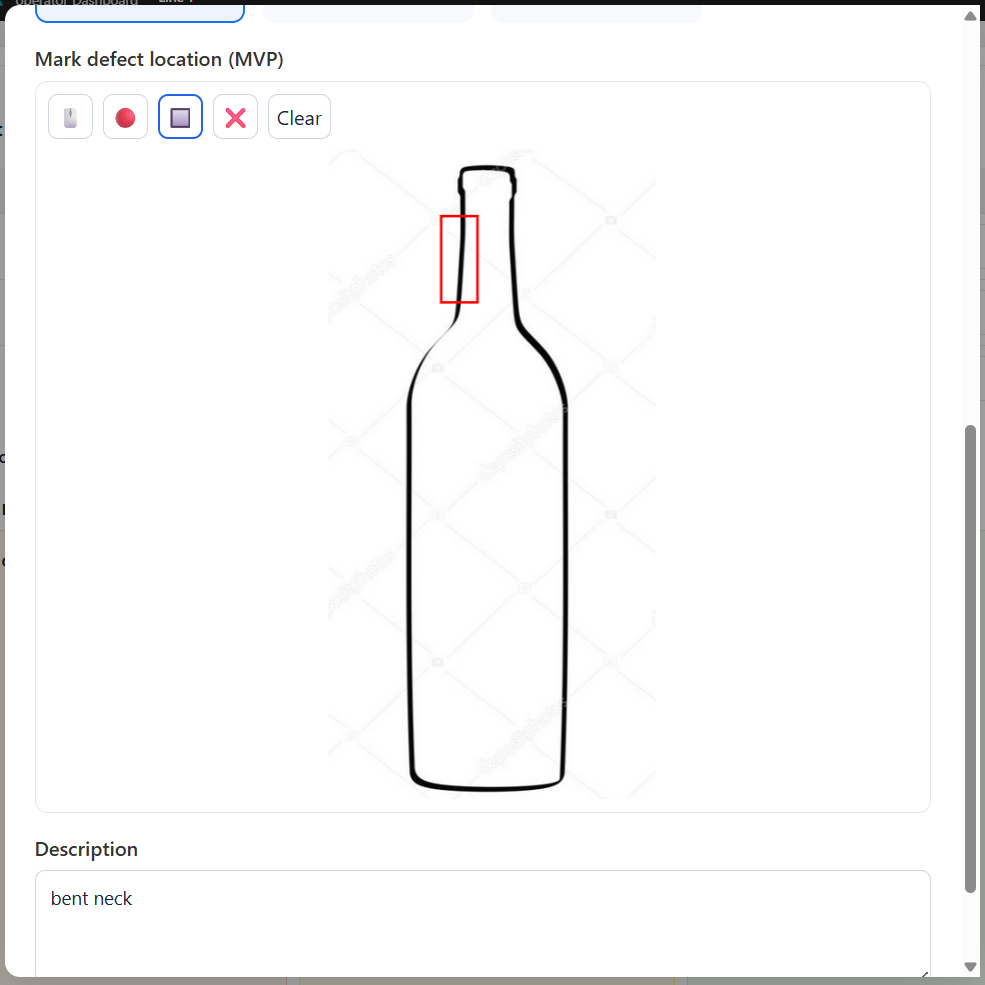
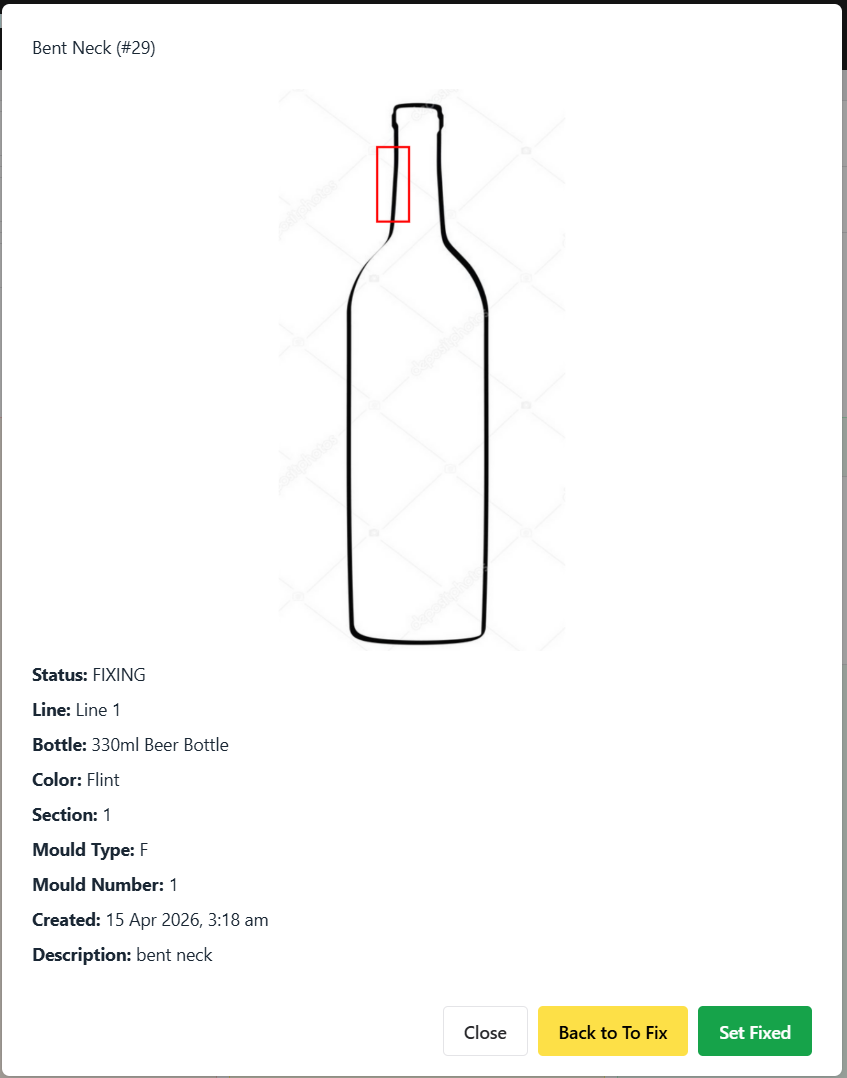
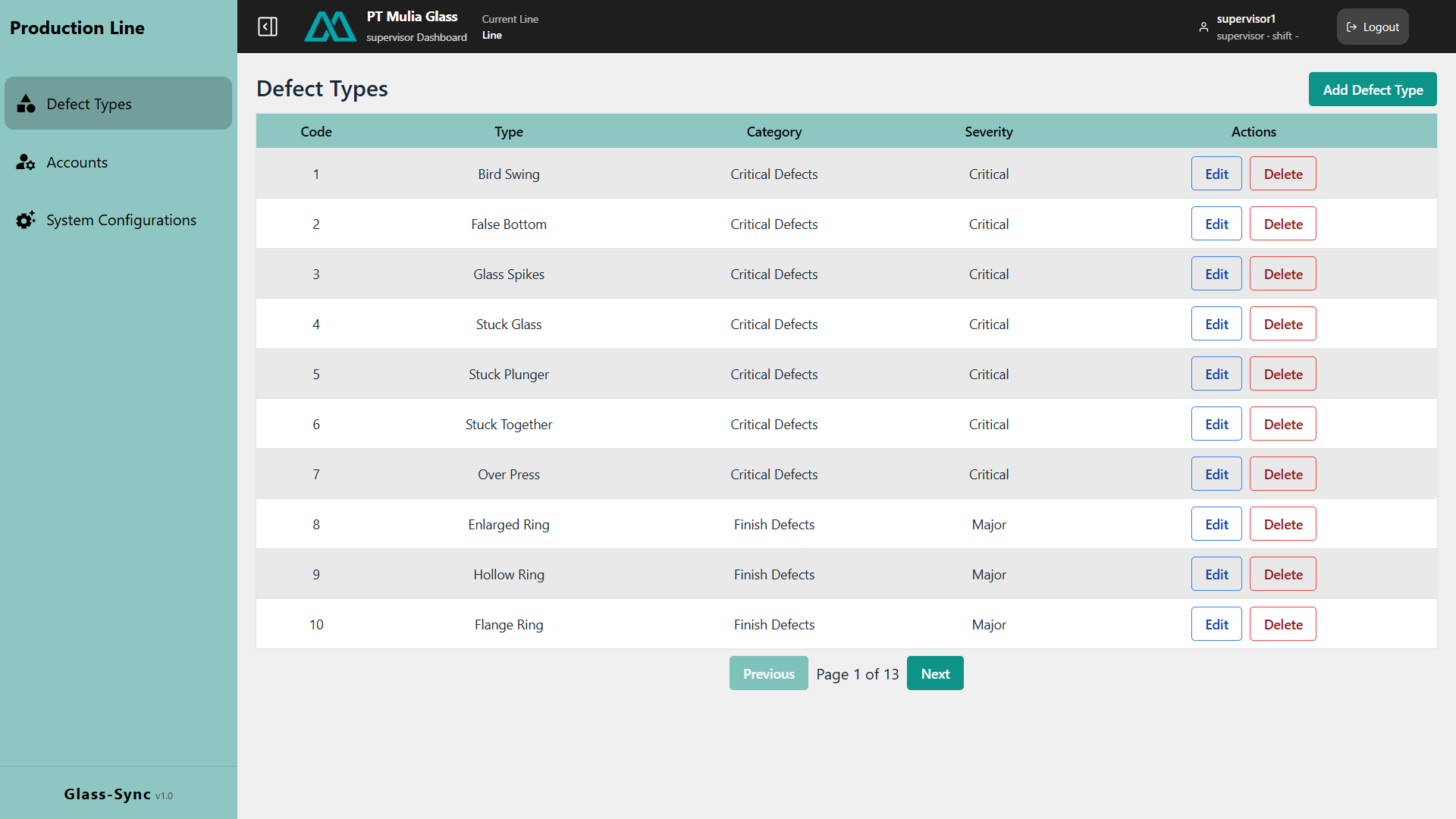
Step 1: Structured Reporting

Guided input for Section, Mould, and Defect Type with minimal text entry.

Step 2: Instant Alerting

Bidirectional communication triggers immediate visual alerts for all relevant operators.

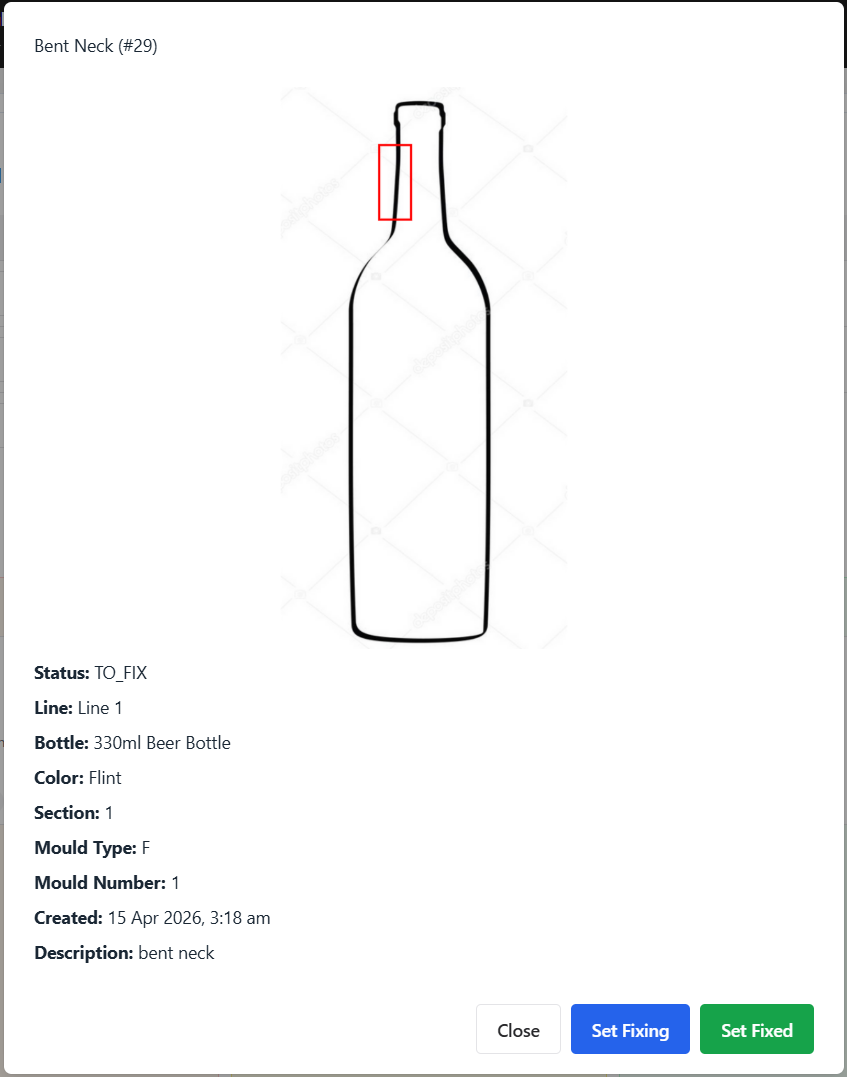
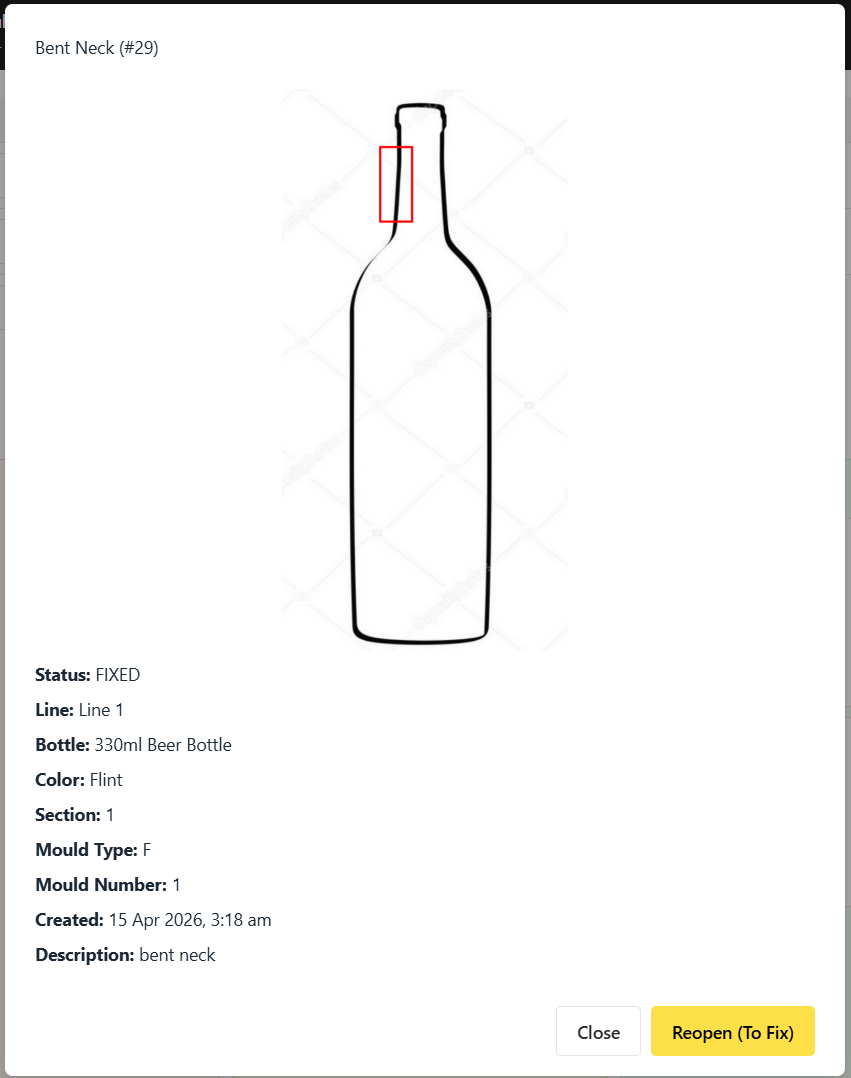
Step 3: Status Tracking

Reports move through a clear lifecycle:
New → Investigating → Action Taken → Closed.

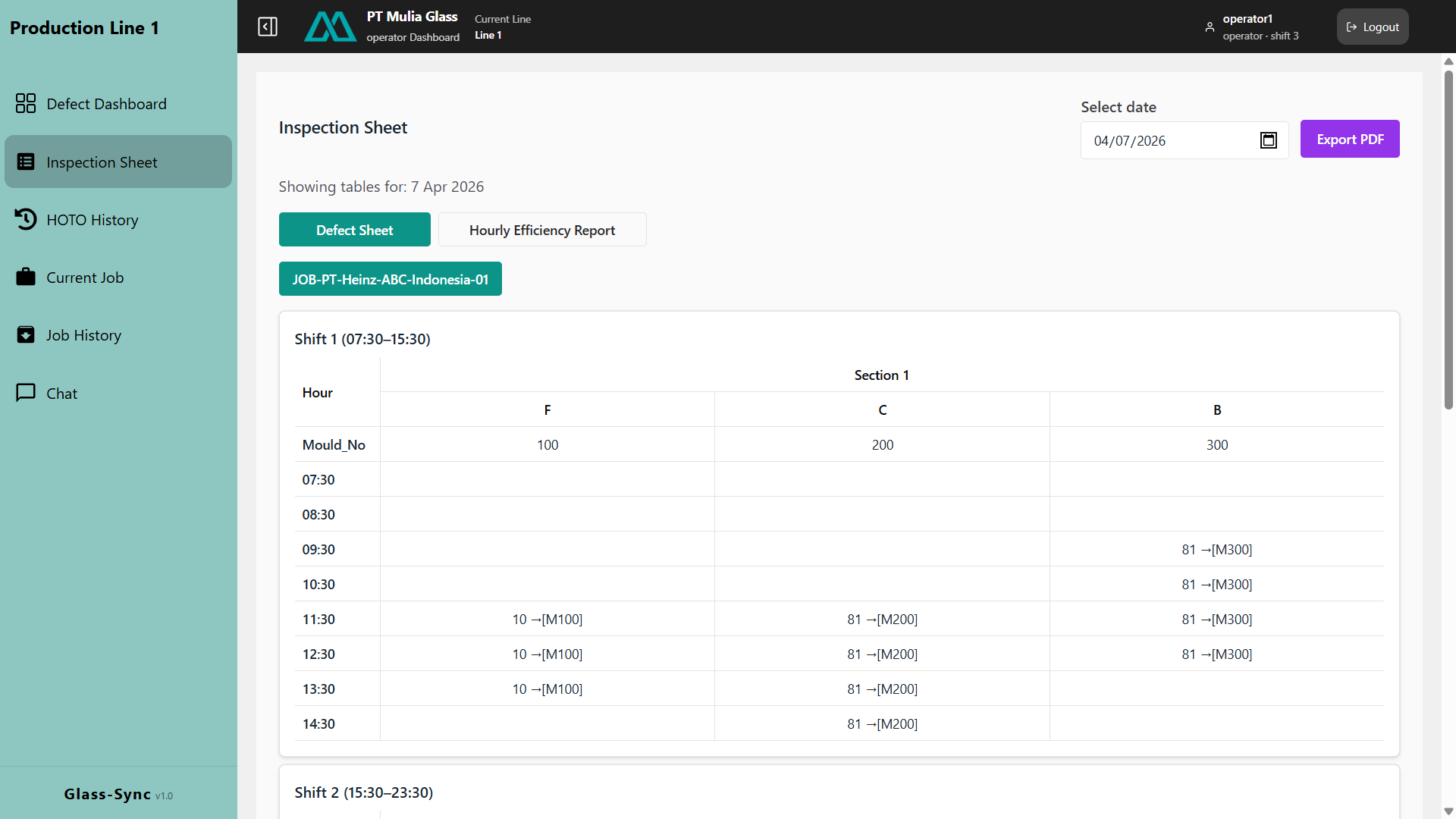
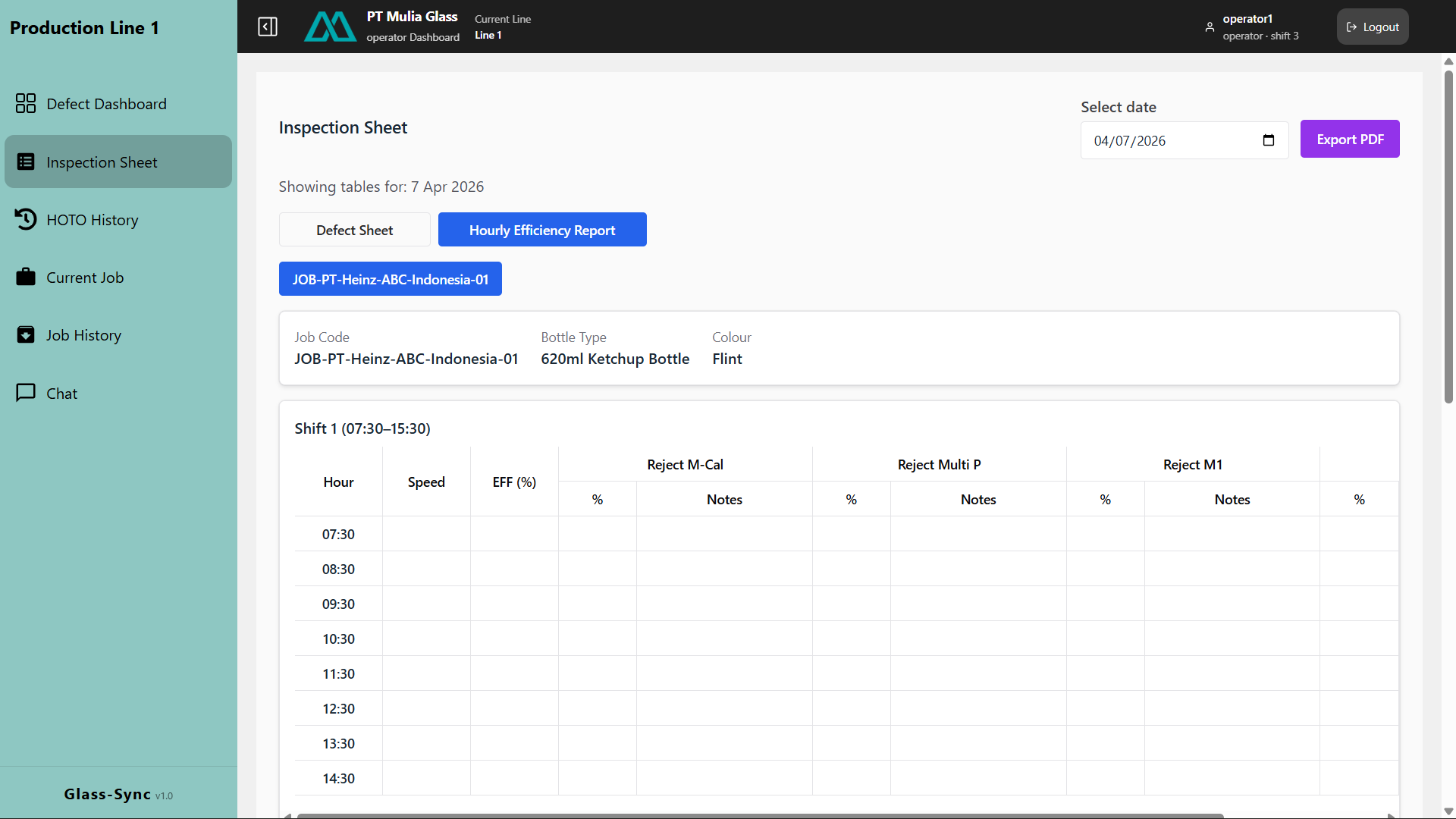
Step 4: Automated Logging

Final data is auto-filled into digital inspection records, ensuring traceability.

System Design

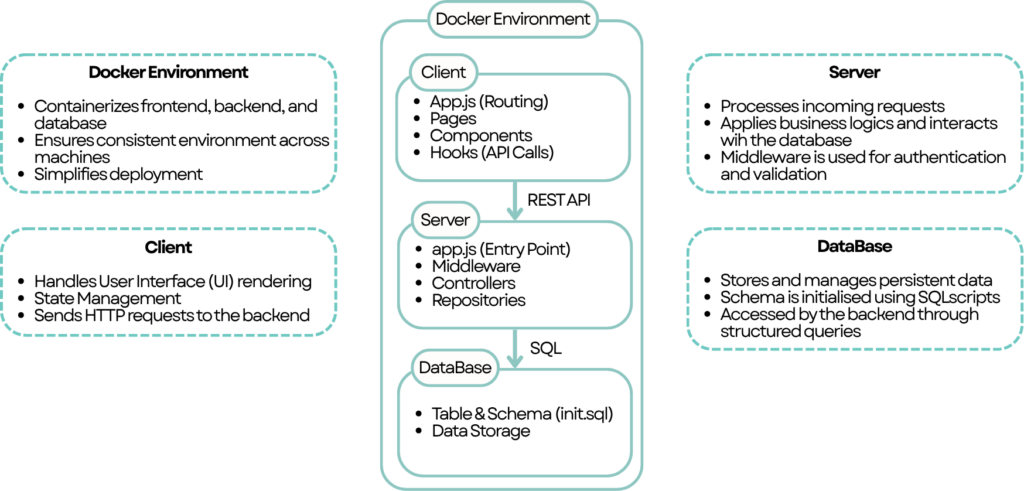
Our system is built on a robust, three-tier architecture designed specifically for the high-stakes reliability required in manufacturing.

At the front end, the User Interface Layer is optimized for high-speed operator interaction, ensuring the platform remains responsive and intuitive even on shared workstations.

Powering the system is the Application Layer, which serves as the central engine managing complex business logic, real-time bidirectional syncing, and secure communication across the plant.

All operational data is anchored in the Database Layer, a centralized and secure repository that maintains the integrity of every defect report, shift log, and performance status for total traceability.

Branding

GlassSync Demo Video

Feedbacks & Impact

We measure success through rigorous technical benchmarks that prioritize speed, accuracy, and system reliability. These metrics ensure that the platform performs at the high standard required for 24/7 manufacturing environments.

Speed: Defect reporting in ≤ 25 seconds with fewer than 15 interactions.
Accuracy: Error rates kept below 5% through fully automated reporting.
Usability: A 95% task completion rate ensuring high operator adoption.
Communication: 100% follow-up on defects with alerts acknowledged in ≤ 3 seconds.
Uptime: 99% dashboard availability with a lightning-fast 5-second data refresh rate.

The true impact of GlassSync is seen through the eyes of the operators, who have consistently rated the system for its ease of use and seamless integration. These scores reflect our commitment to building tools that operators actually enjoy using every day.

GlassSync fundamentally transforms the shop floor by replacing fragmented, manual processes with a streamlined digital ecosystem. By moving from one-way communication and paper logs to continuous feedback loops and real-time dashboards, we eliminate the bottlenecks that traditionally hinder production efficiency.

Before GlassSync
With GlassSync

In partnership with :

Supported by :

Acknowledgements

We would like to express our sincere gratitude to the team at PT Muliaglass specifically Mr. Ferdyan, Mr. Agung, Mr. Bayu, and their colleagues for their invaluable insights and on-the-ground direction throughout this project. Their collaboration was essential in ensuring our solution addressed real-world operational needs.

We also extend our deepest thanks to our mentors at SUTD, Professor Geraldine, Professor Fredy, and Professor Bernard, for their steadfast guidance and academic expertise. This project would not have reached its successful completion without the collective support and wisdom of these dedicated professionals.

Menu

ornament-menu