The Problem
A lack of genuine, meaningful connection among colleagues weakens collaboration, trust, and overall team performance. Over time, this leads to reduced engagement, higher attrition, and increased operational costs.
The Case for Team Bonding
Strong interpersonal relationships drive engagement and performance, and team-building strengthens connections while enhancing task performance. As a result, organisations investing in genuine team bonding delivers measurable, lasting benefits.The Solution
To design a corporate team bonding experience that leverages AI to foster social connections across diverse employee demographics, delivering immersive, technology-driven interactions that promote genuine psychological safety and transform traditionally forced activities into authentic shared play, while prioritising inclusivity, engagement, and accessibility.
The experience is structured into four progressive stages—Icebreaker, Constellation, Map of Mischief, and Siege of Aetherfall—each designed to develop collaboration through different modes of interaction.
Icebreaker
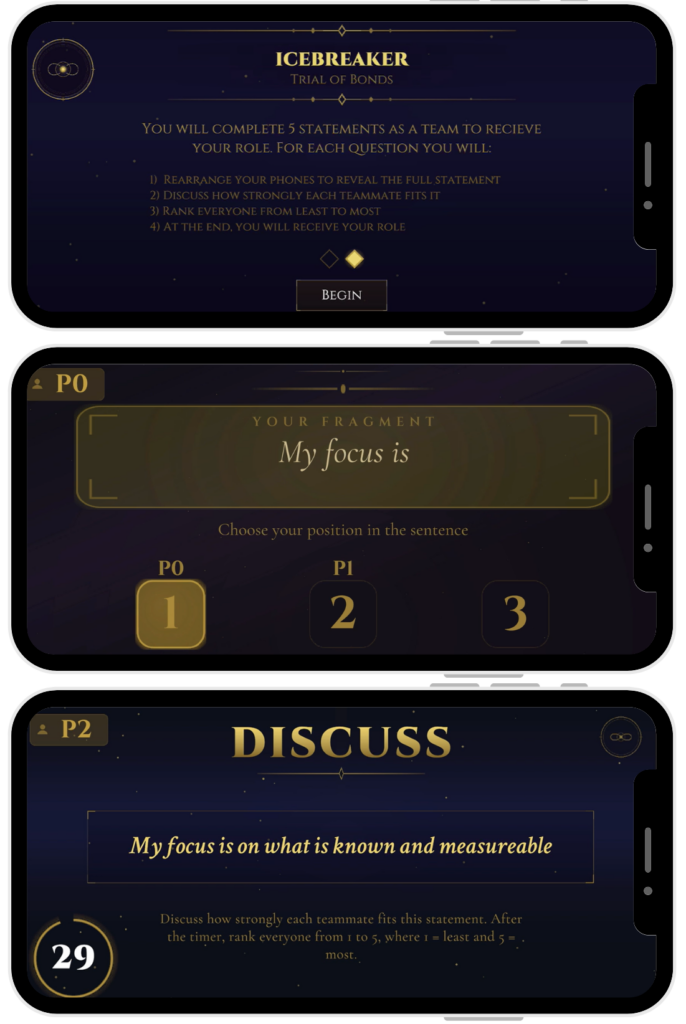
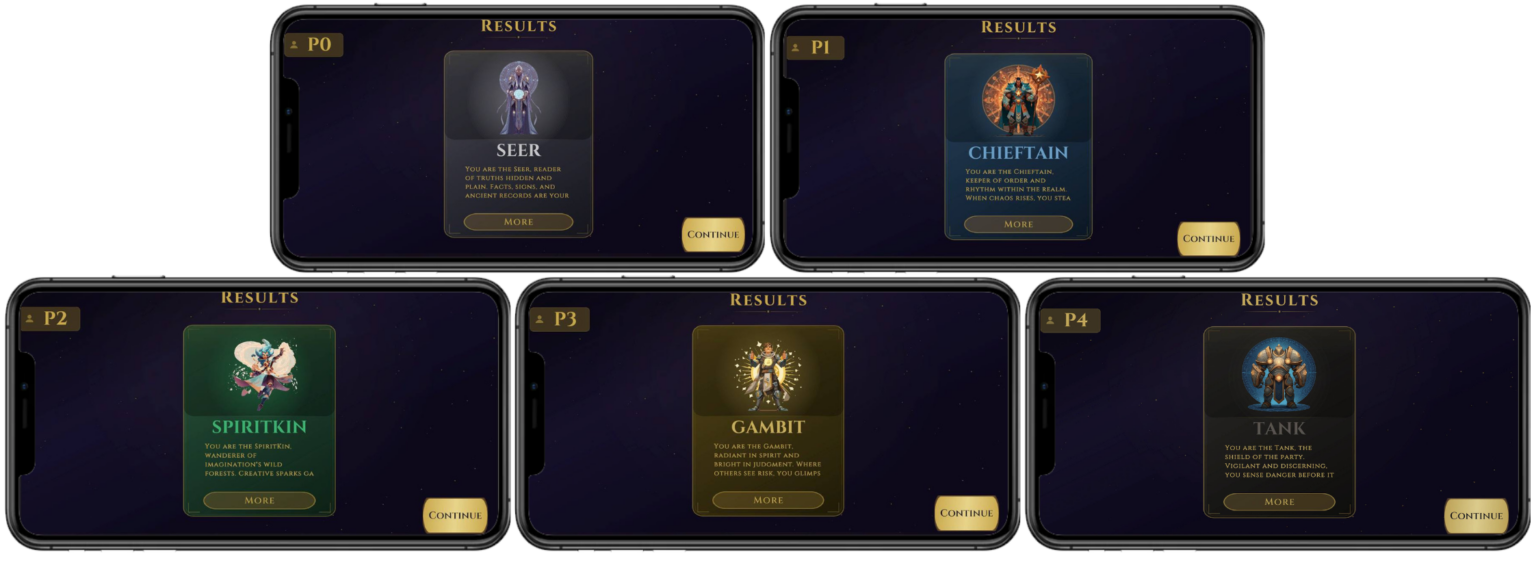
Inspired by Edward de Bono’s Six Thinking Hats framework, players collaborate to assemble sentence fragments into questions. These questions reveal each participant’s natural thinking styles, which then determine their in-game characters, each with unique abilities:
- White Hat (Seer Role): Data-driven, objective, identifies information gaps
- Black Hat (Tank Role): Logical, identifies risks and weaknesses, cautious
- Yellow Hat (Gambit Role): Optimistic, focuses on benefits and opportunities
- Green Hat (SpiritKin Role): Creative, exploratory, thinks outside the box
- Blue Hat (Chieftan Role): Organised, structured, strategic
By aligning players with complementary thinking styles, the game fosters balanced decision-making, reduces conflict, and enhances clarity and creativity in group discussions.
Constellation
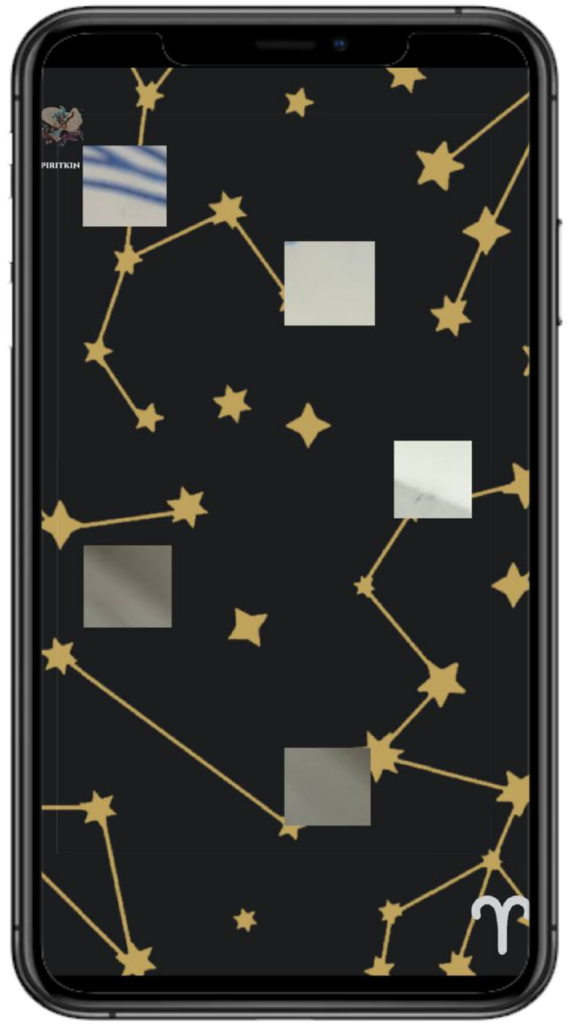
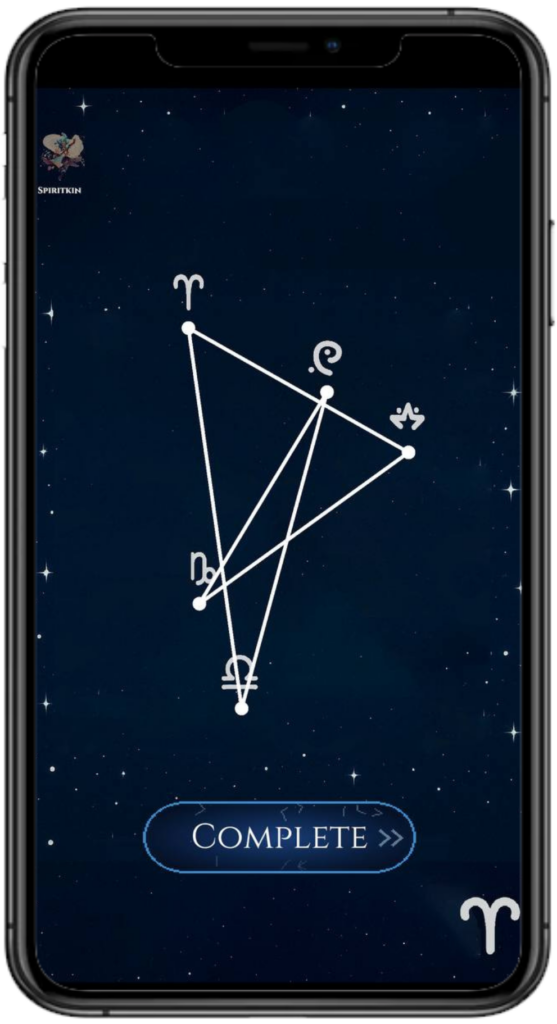
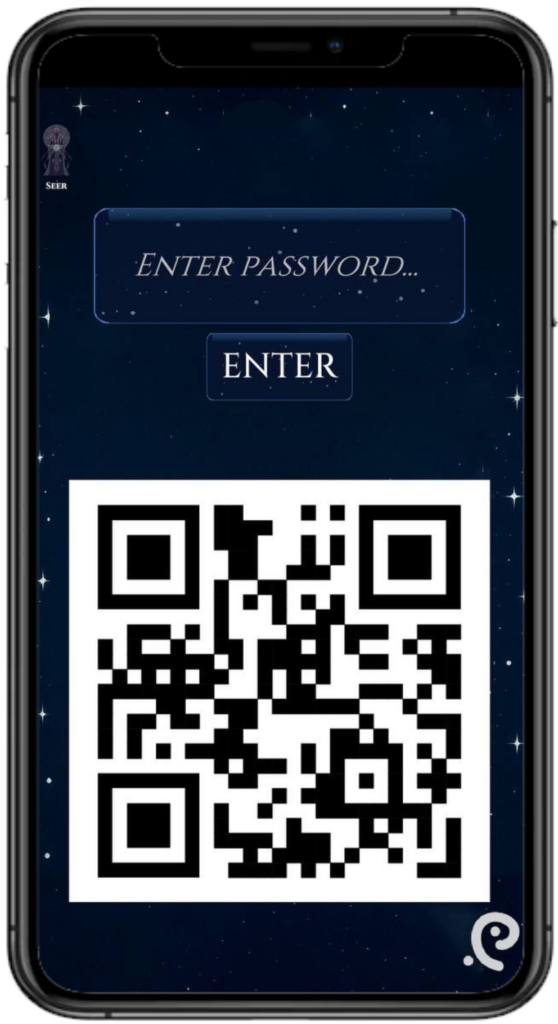
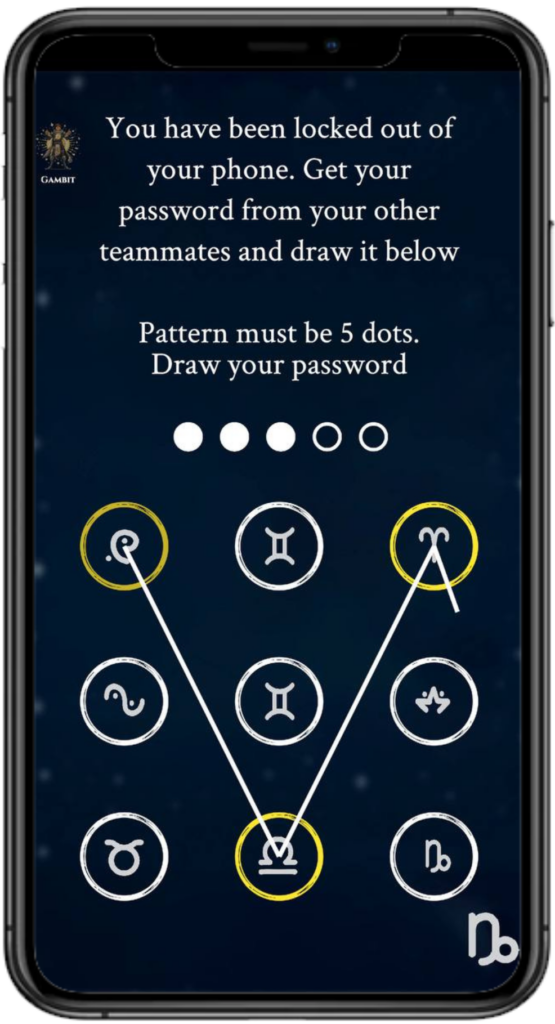
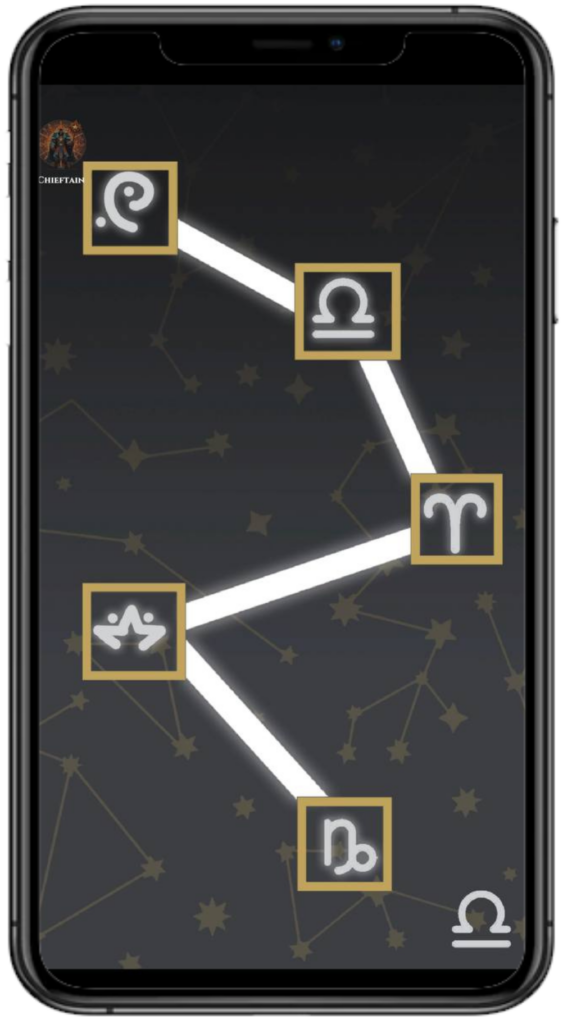
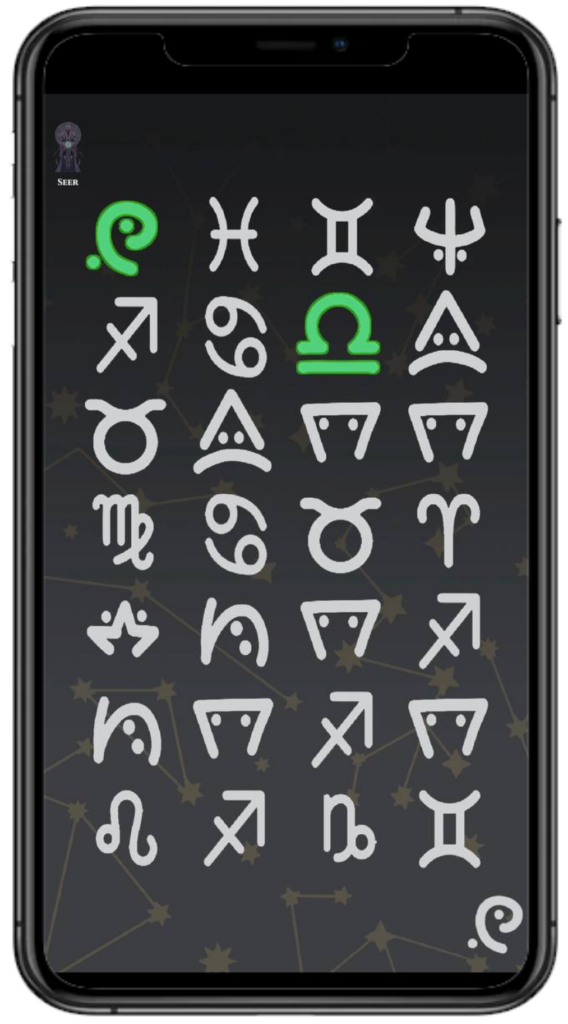
Players shall work together to decode symbols, uncover hidden codes, and arrange themselves to form constellations. Each player is given a different piece of information, requiring the team to communicate and combine their inputs to complete the task.
The game emphasises embodied engagement, with symbol tracing, real-space movement and group formation as core mechanics. A rotational spotlight structure ensures that every player experiences a key moment where the team relies on them, fostering shared responsibility and engagement.
Map of Mischief
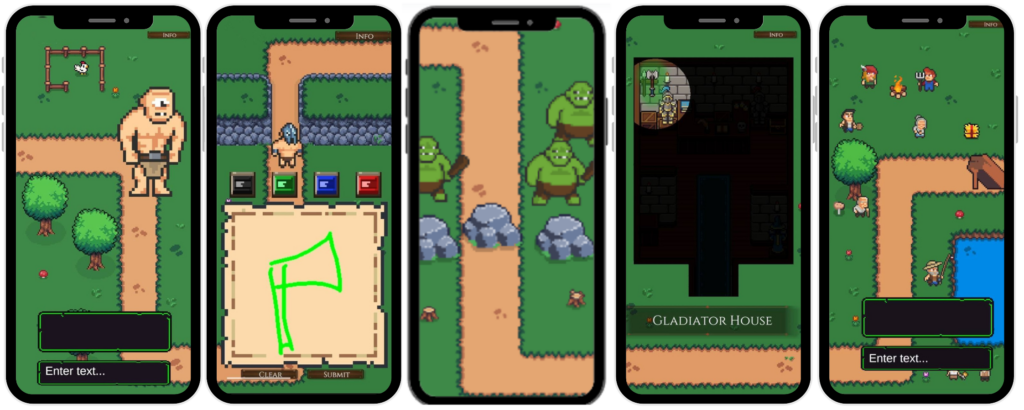
Players interact with AI-driven characters that respond dynamically to their inputs, allowing the game to adapt to different decisions and play styles across each session. These LLM-powered NPCs respond dynamically to user input, creating a more responsive and varied gameplay experience.
The game is designed around collaborative sense-making, where each player holds only part of the information needed to progress. As a result, players must actively communicate, share insights, and combine perspectives across their roles to solve puzzles and advance. This structure reinforces teamwork, ensuring that progress is achieved collectively rather than individually.
Aetherfall Siege
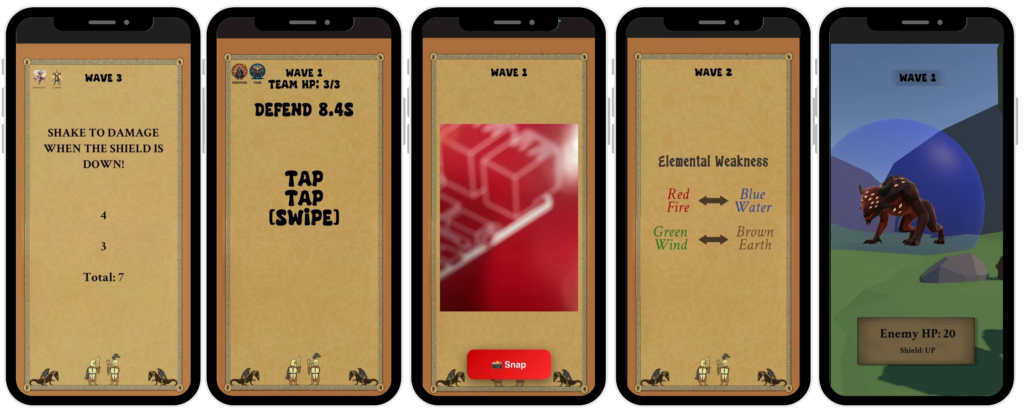
Players engage in AR-driven combat where enemies appear within their physical surroundings, creating an immersive and immediate sense of challenge. Each player assumes a distinct role, such as identifying threats, directing actions, capturing targets, dealing damage, or providing defense. This requires players to coordinate closely and respond to one another in real time.
The game is structured around sequential role execution, where actions must be carried out in a coordinated chain for successful combat. Progress depends on each role being performed in the correct order, ensuring that every player contributes meaningfully. This design reinforces teamwork and interdependence, as no single player can complete the combat sequence alone.
Software Architecture
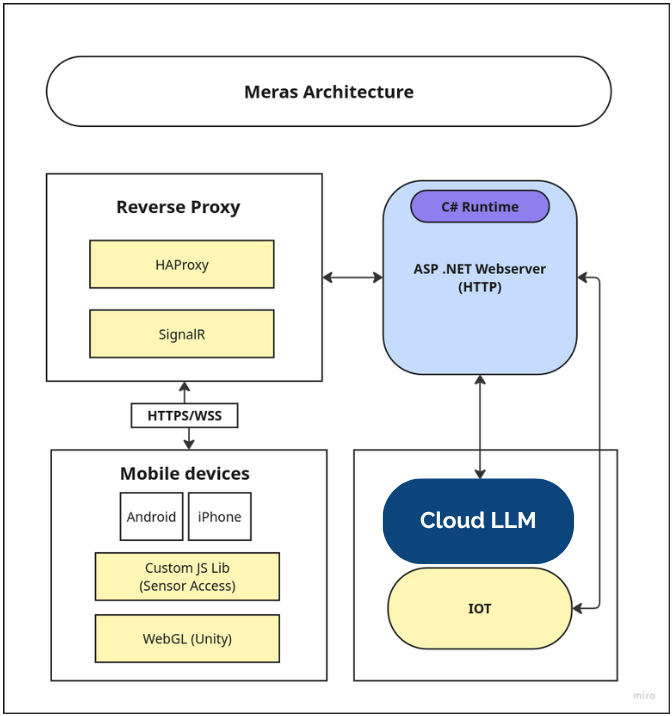
Technology Stack

.NET
Backend framework that enables seamless integration with Unity, using a consistent language across server and client logic.

Unity (WebGL, PWA)
Delivers interactive, high-fidelity experiences directly in the browser without requiring installation.

Blazor / Custom JS
Enables browser-based interaction with access to device sensors such as camera, orientation, and BLE.

SignalR
Supports low-latency, real-time communication for synchronized multiplayer interactions.