


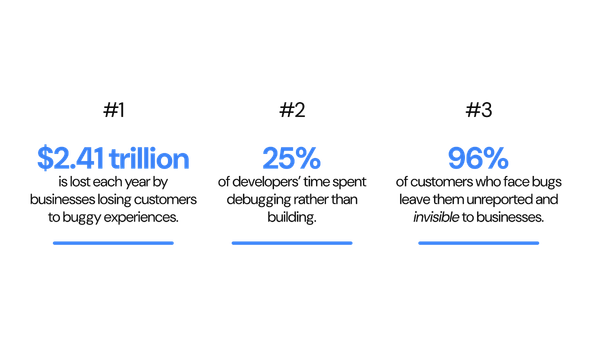
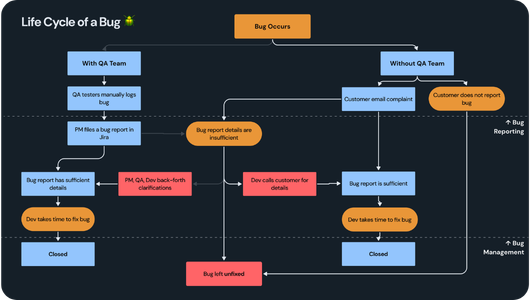
The team began by understanding the broader challenges surrounding bug reporting in web applications. Through literature review, secondary research, and observations from prior experience with software teams, they identified a recurring pattern: many bugs go unreported, many reported bugs lack sufficient context, and the resulting inefficiencies create both technical and business costs. These findings helped the team recognize that bug reporting was not only a usability issue, but also a workflow and communication problem affecting both developers and end users.
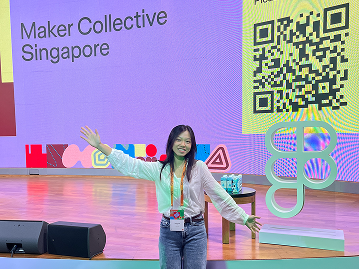
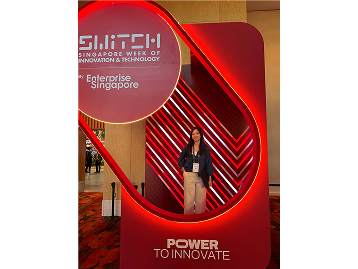
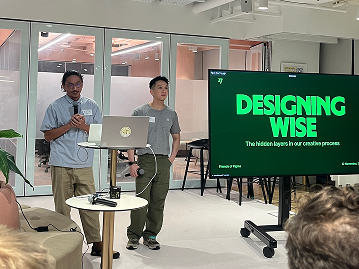
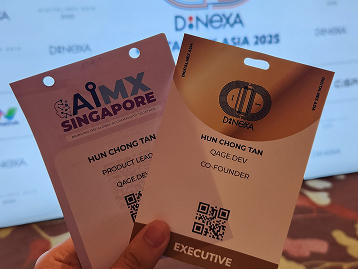
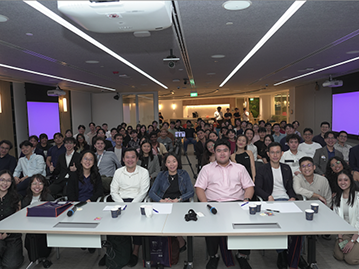
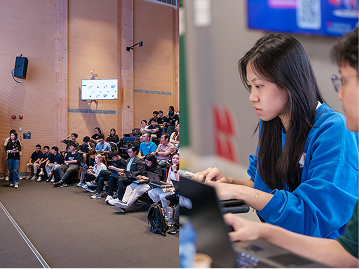
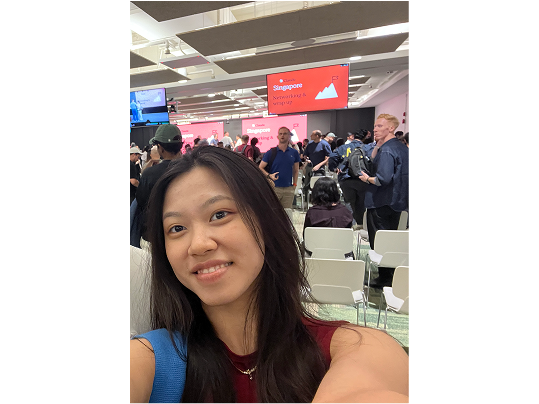
This early understanding was further reinforced through informal conversations with software practitioners in the startup and engineering ecosystem. Engagements at events such as Google DevFest, AIMX Singapore, D:NEXA, and Figma Maker Collective helped validate that these frustrations were experienced across real teams and products. Together, these research inputs gave the team a grounded understanding of the pain points that would shape the project’s next stages.
The team synthesized findings from the previous phase into a clearer and more focused understanding of the problem space. Drawing from the literature review, informal practitioner conversations, user personas, and journey mapping, they identified that the issue was not simply that bugs occur, but that many bugs are either left unreported or reported without the technical context needed for efficient diagnosis and resolution. This allowed the team to move from broad observations into a more precise articulation of the design challenge.
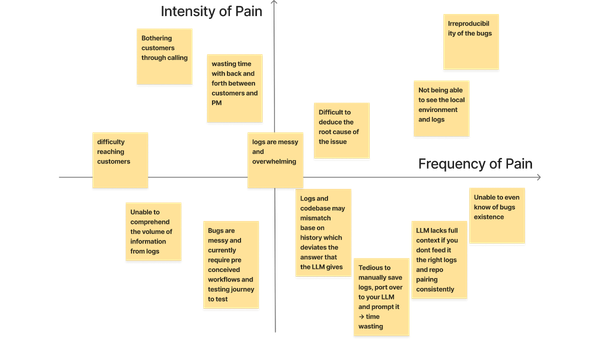
To support this process, the team evaluated and prioritized recurring concerns based on both their frequency and intensity of pain, as shown in the concern-mapping exercise. This helped highlight the most critical issues affecting current workflows, such as irreproducibility, missing environment and log data, messy or overwhelming logs, and the time lost in repeated clarification loops. From this synthesis, the team defined a focused problem statement and design objective: to create a bug reporting process that reduces friction for users while ensuring developers receive complete, clear, and actionable reports.
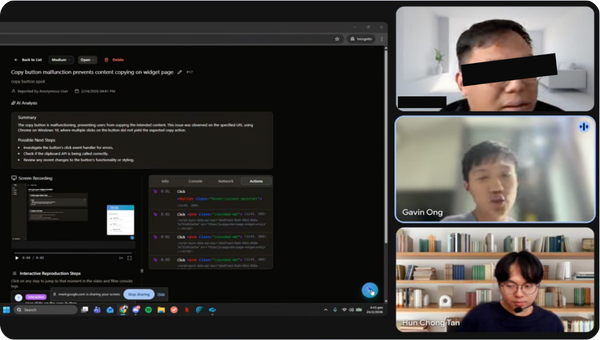
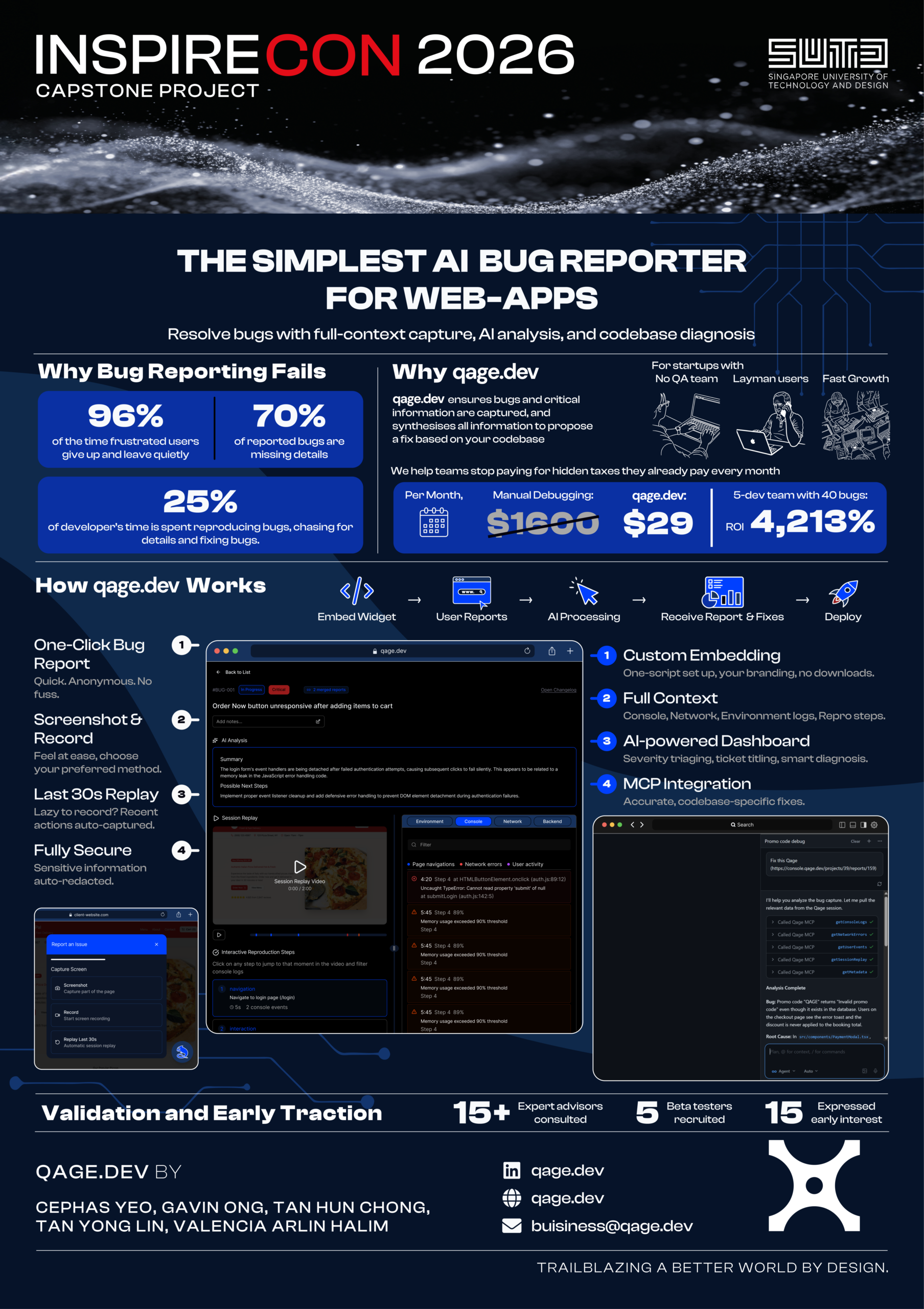
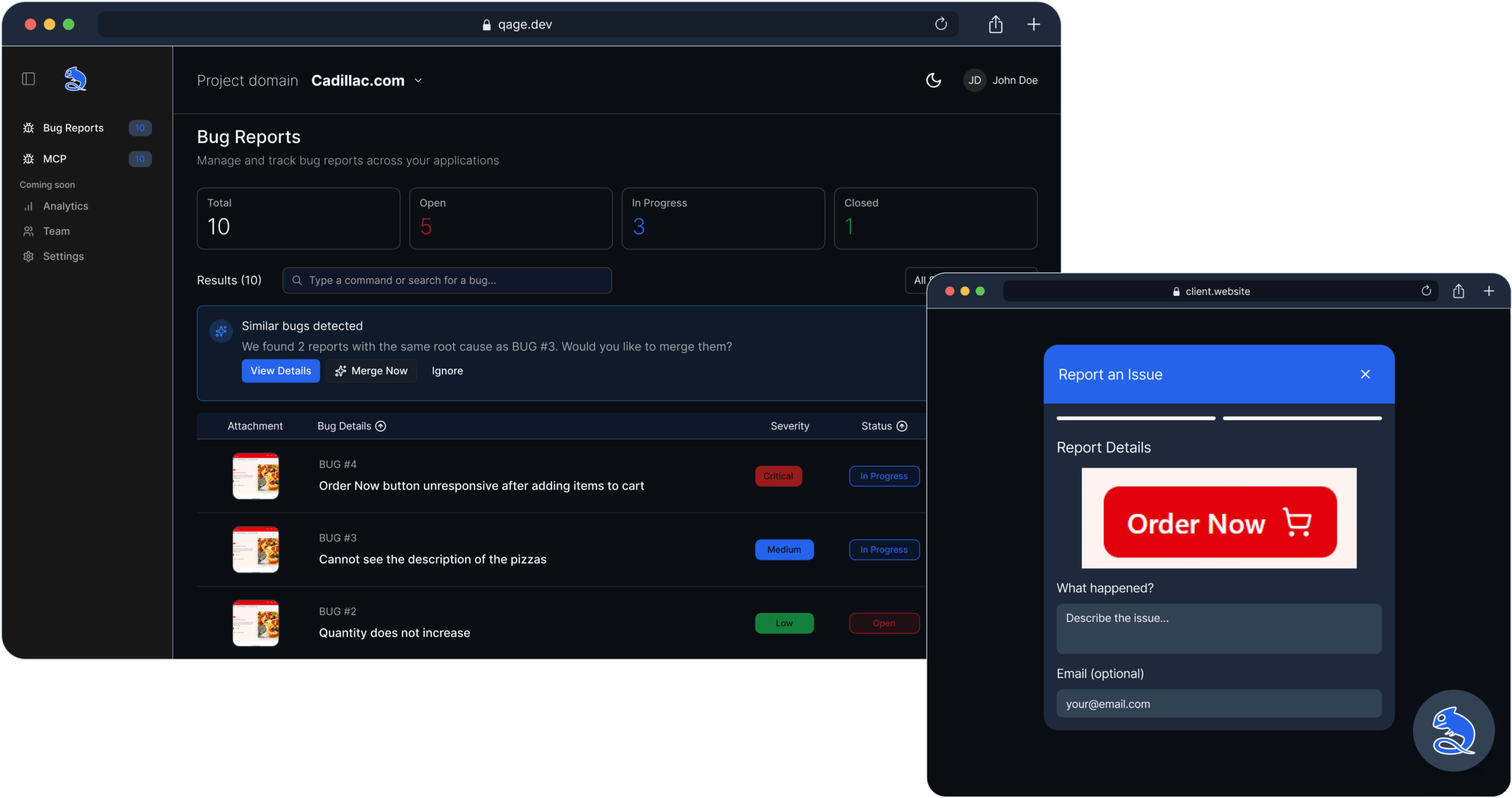
In response to the defined problem, the team developed qage.dev, an AI-assisted bug reporting platform designed to make issue reporting more effortless for users and more actionable for developers. The solution combined a lightweight embeddable widget for one-click reporting with a developer dashboard that consolidates screenshots, session replay, reproduction steps, environment data, console logs, and network logs into a single workflow. By pairing low-friction reporting with rich contextual capture, the team aimed to reduce the ambiguity and back-and-forth that typically slow down debugging.
The solution was refined through iterative prototyping, MVP development, onboarding sessions, and walkthroughs with prospective users. These activities allowed the team to observe how the product was understood and used in realistic settings, while also surfacing areas for improvement in usability, workflow clarity, and feature prioritisation. As the report notes, later iterations incorporated enhancements such as client-side redaction, cybersecurity improvements, and MCP integration, reflecting how the solution evolved in response to user feedback and real-world validation efforts.
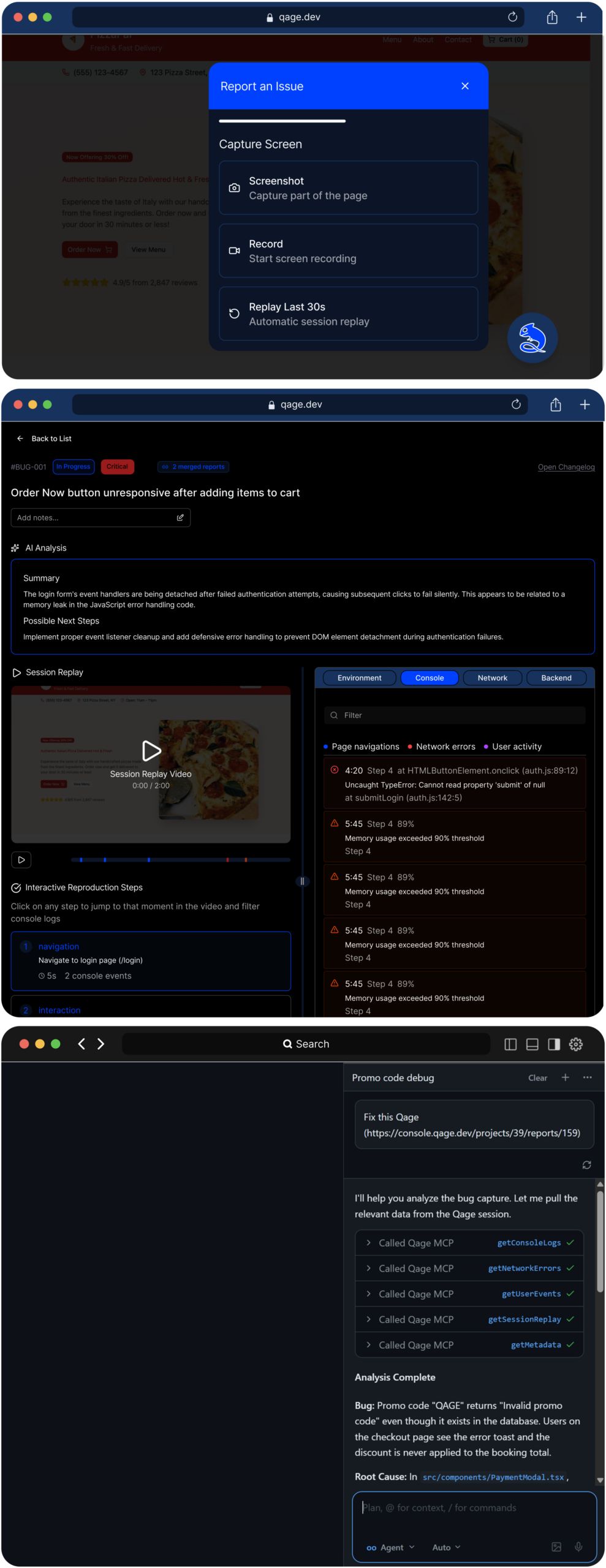
qage.dev supports three main stages in the bug reporting and resolution workflow.
Users need an effortless way to report issues, increasing the likelihood of meaningful submissions.
Teams can review and manage reports through the qage.dev dashboard, where issues are organised, interpreted, and prioritised.
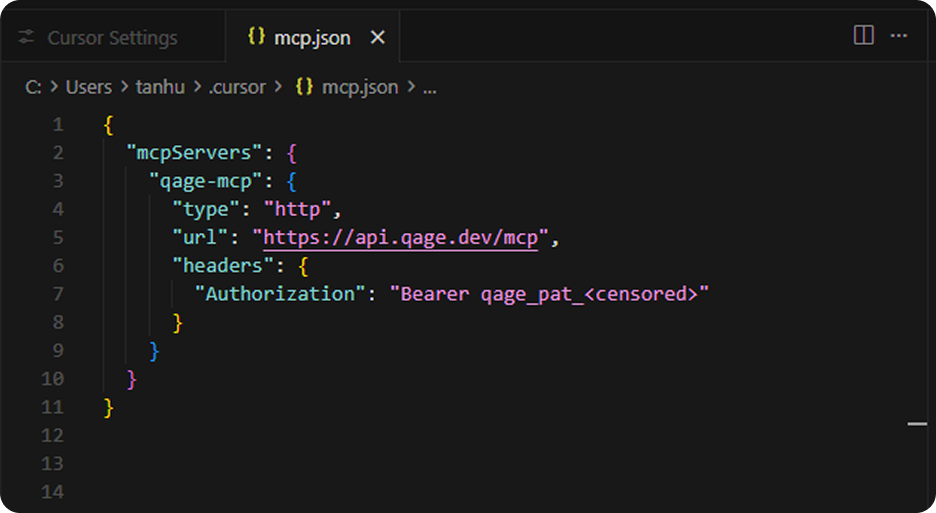
Reports can be passed into a preferred IDE through qage.dev’s MCP integration, allowing AI coding tools to analyse the ticket and assist with implementation.

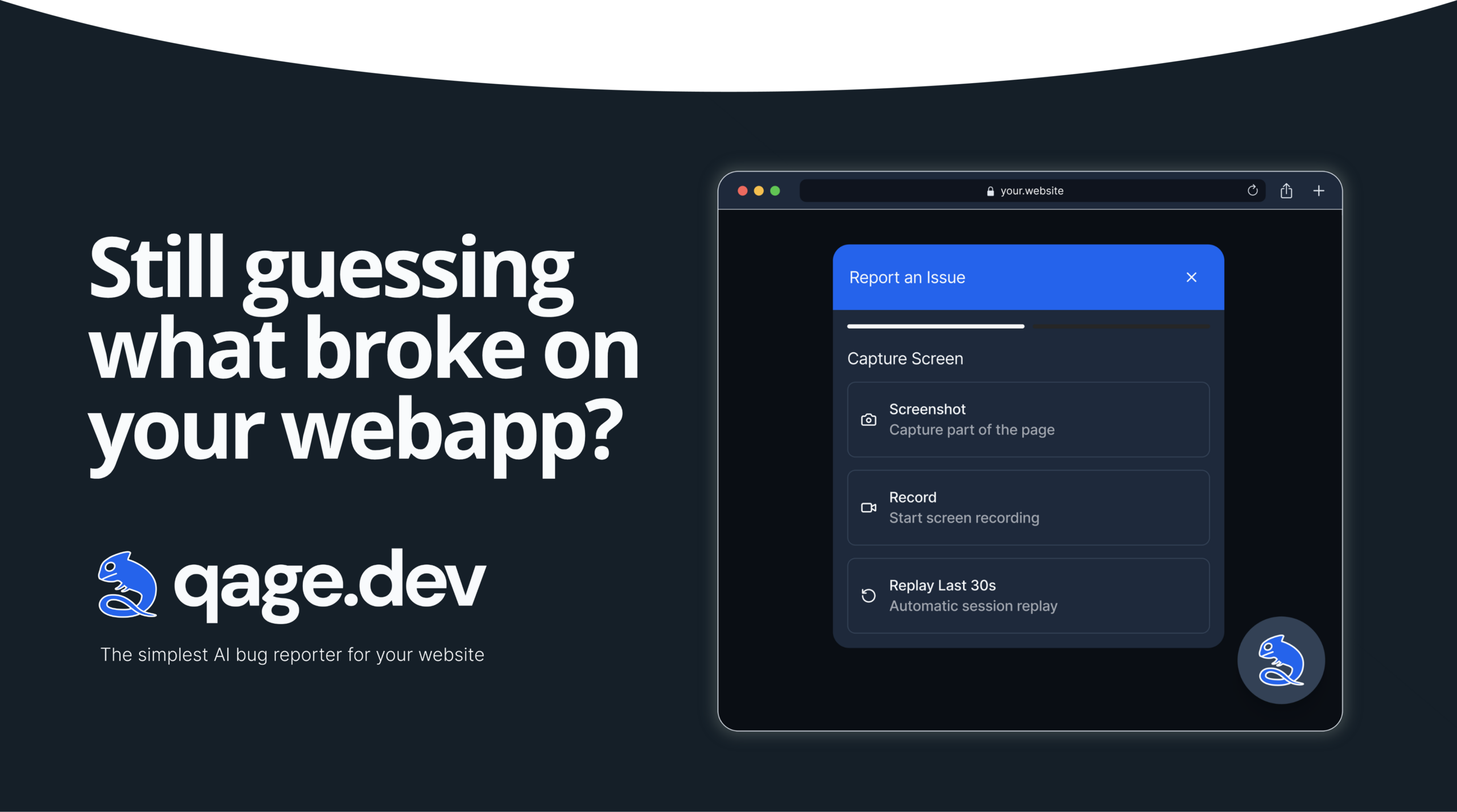
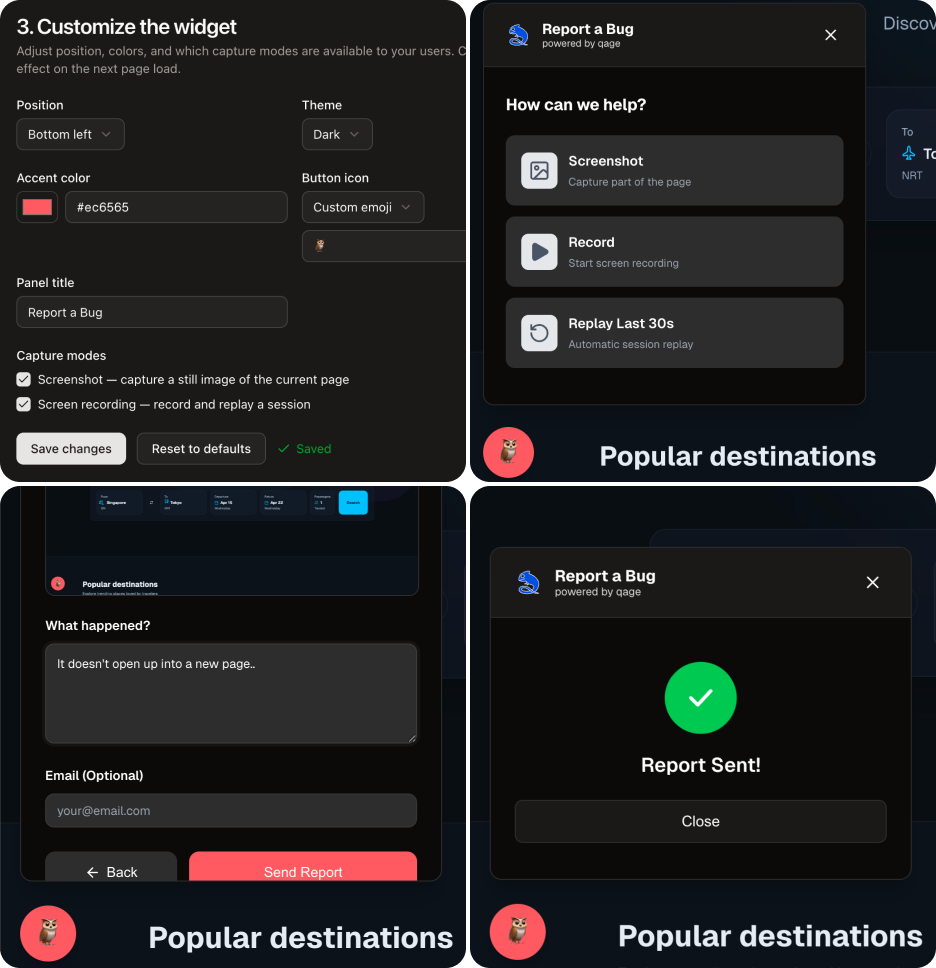
To get started with qage.dev, the team designed a lightweight widget that can be embedded into a website through a simple one-script installation. The widget supports three capture modes: screenshot, screen recording, and logging the previous 30 seconds of activity. Users can also include a short description of the issue and optionally provide their email for follow-up.
The widget is also customisable. Its position, colour, logo, and available capture modes can be adjusted to better suit the branding and needs of the host website.
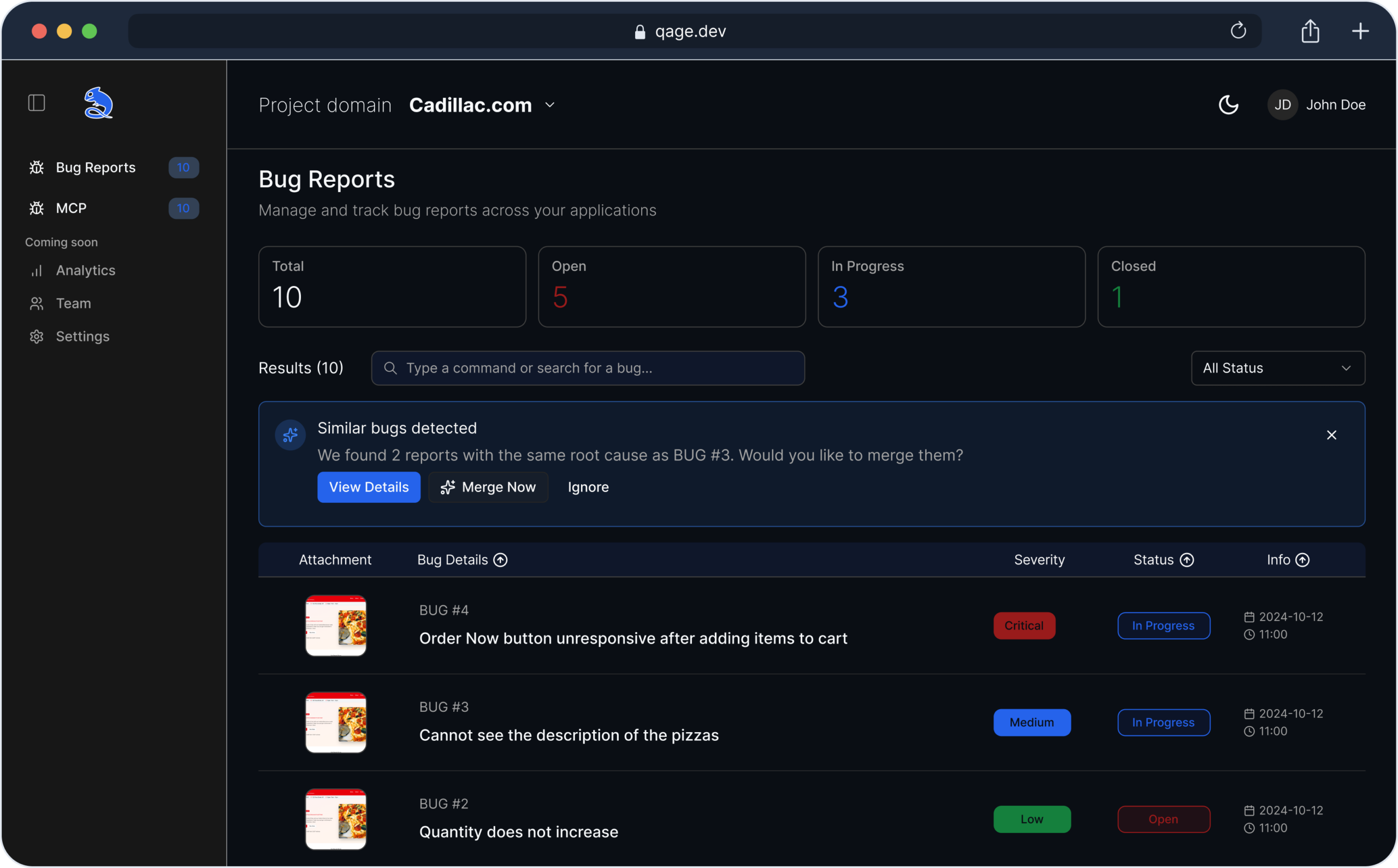
The dashboard serves as the central space where all submitted qages are stored and managed. It includes several AI-powered features that improve the clarity, organisation, and efficiency of bug triage:
In addition, each ticket includes other important contextual information such as console and network logs, environment details, and the screenshot or recording submitted by the user.
qage.dev extends beyond reporting and triage through MCP (Model Context Protocol) integration. Each ticket contains rich debugging context, including screenshots or recordings, user events, console logs, network logs, and environment metadata, which can be passed directly into supported AI coding tools and developer environments.
By bringing the bug report into the coding workflow itself, teams can move more efficiently from understanding the issue to investigating and implementing a fix. This reduces the need for manual copy-pasting, repeated context switching, and re-explaining the problem across tools. As a result, MCP integration strengthens qage.dev’s role not only as a bug reporting platform, but also as a bridge between issue capture and resolution.
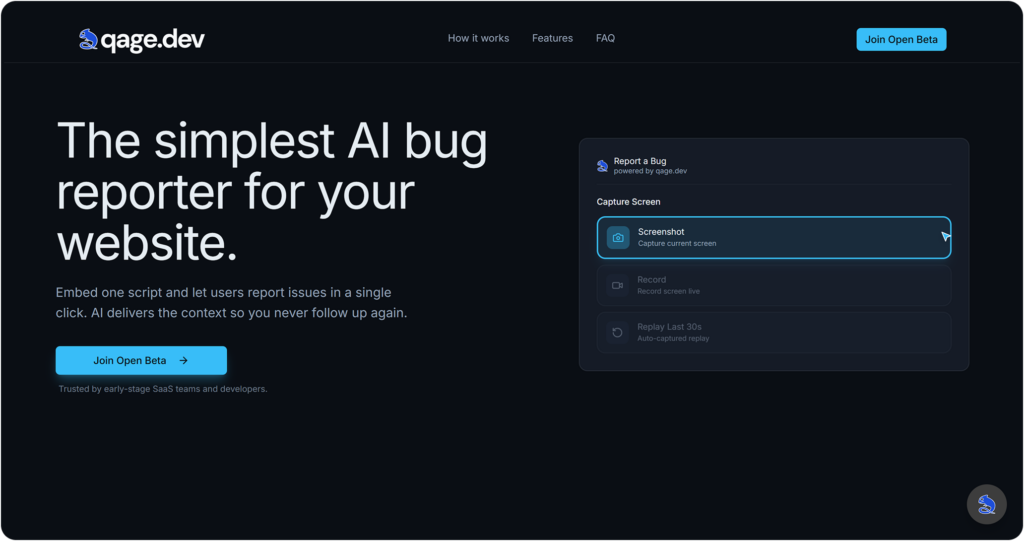
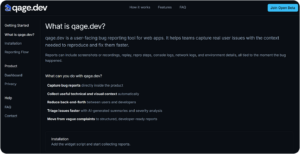
The team also developed a landing page as the project’s primary point of contact during outreach. It introduced qage.dev to potential users, featured an interactive click-through demo of the reporting workflow, and included a documentation page with setup guidance and frequently asked questions.