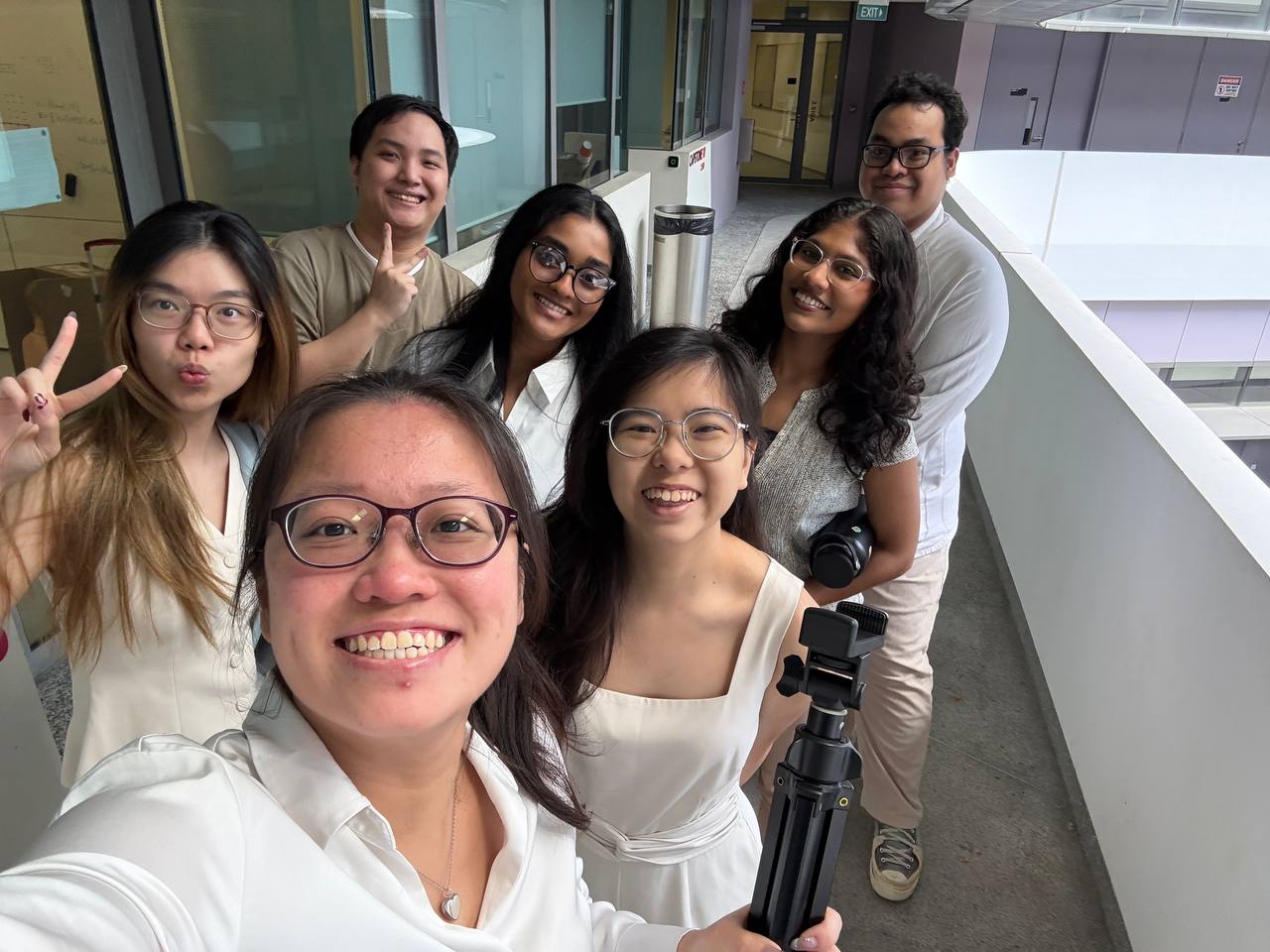
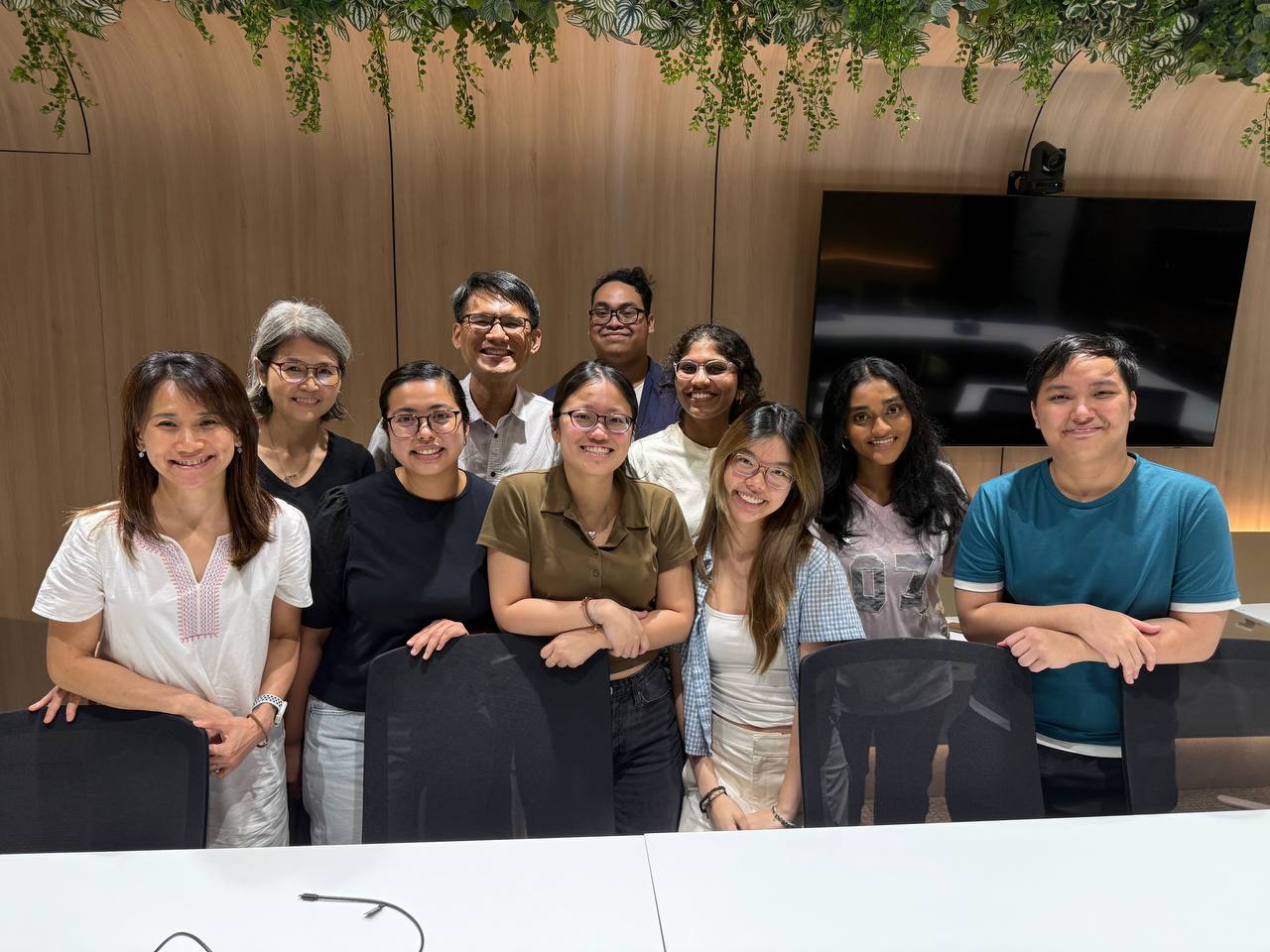
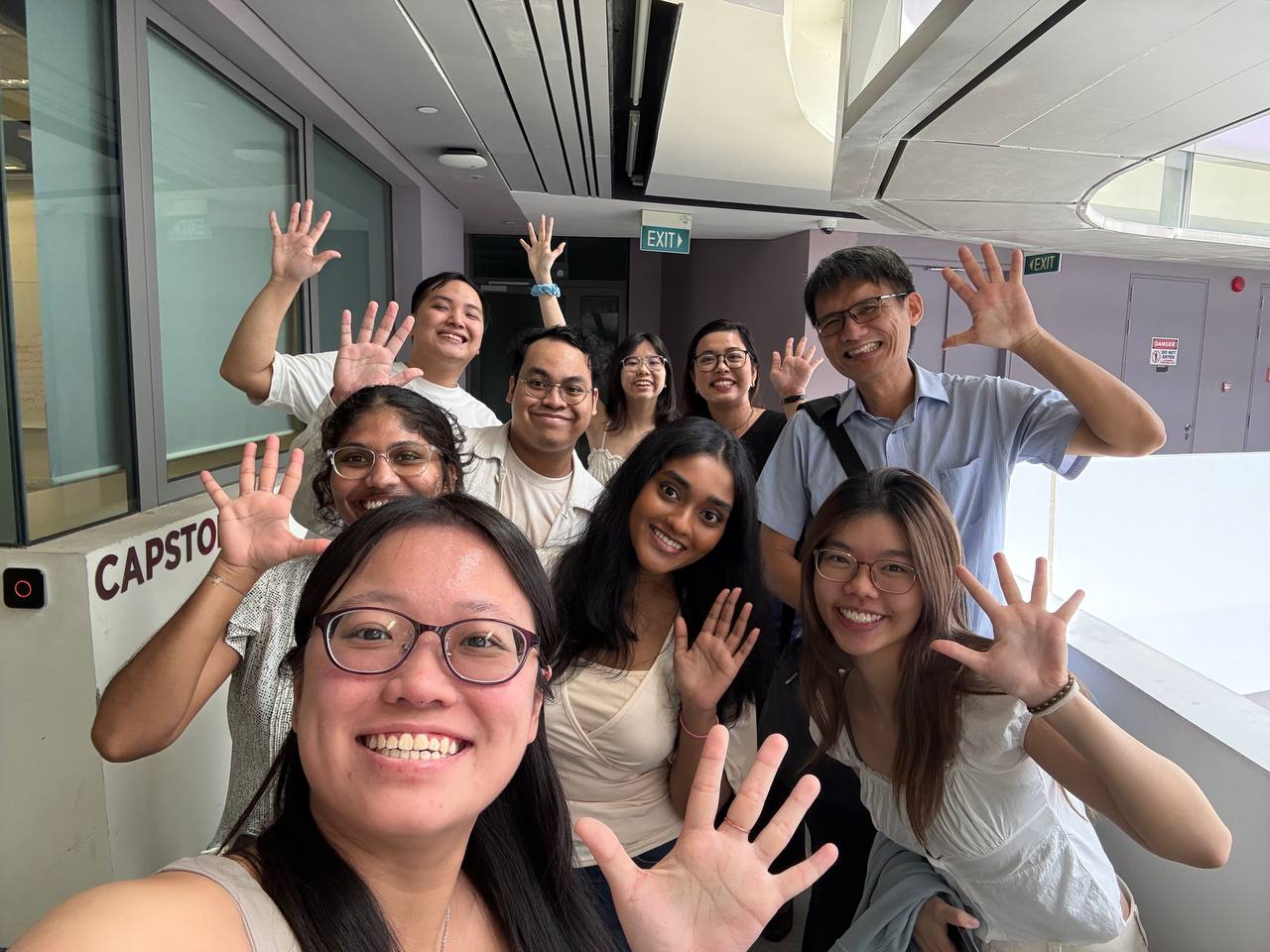
Michelle Pakalapati (ESD), Anushka Molgi (ESD), Genson Low Yuan Sen (ISTD), Mohamed Zuhairi Bin Mohamed Amran (ISTD), Ye Jiarong (EPD), Wang Jingxi, Jeslyn (DAI), Rachel Low Jia Xin (ESD)
Instructors:
Debbie Ding
Writing Instructors:
Susan Wong
Dominic Edmund Kim San Quah
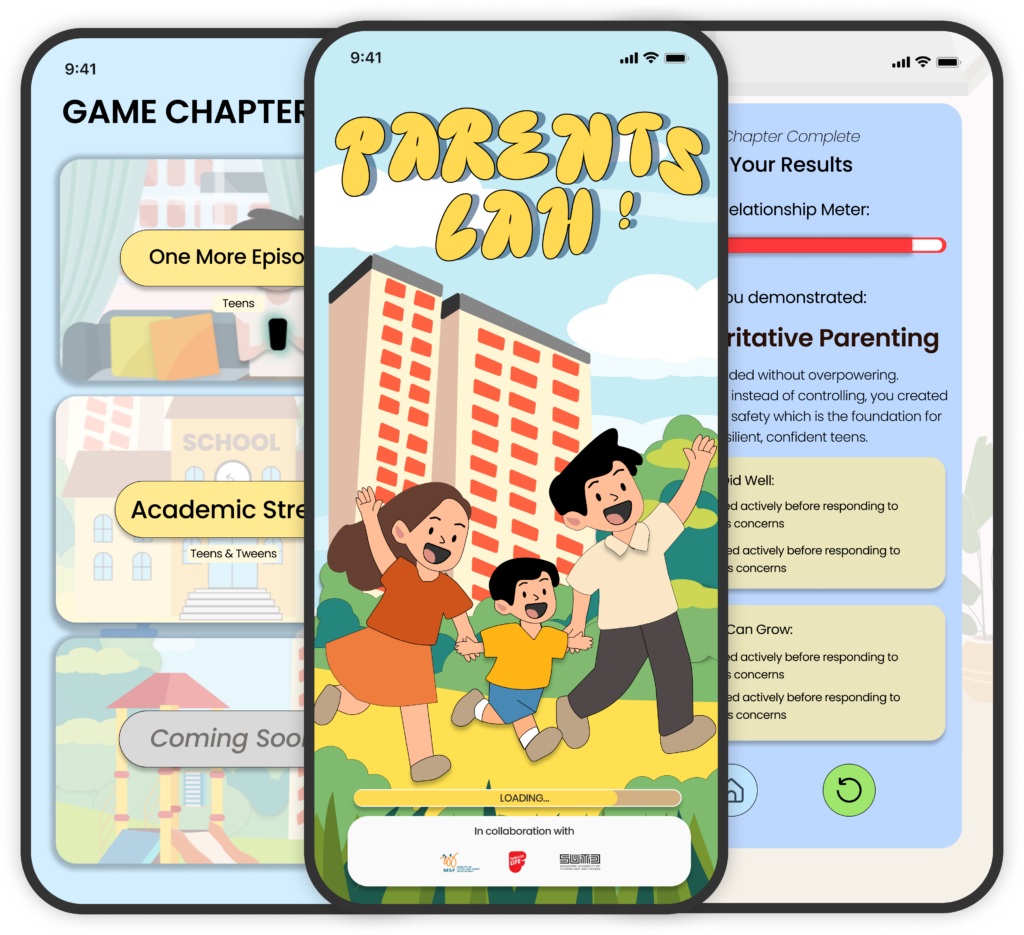
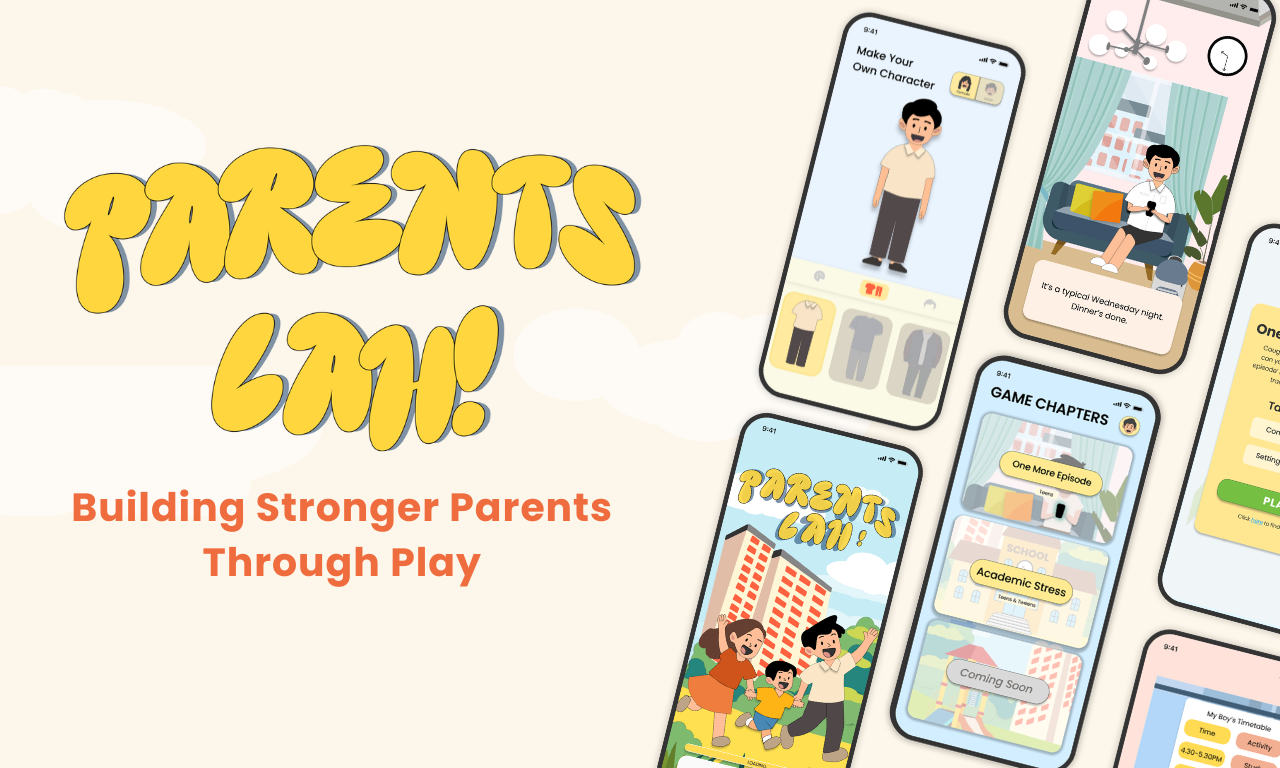
A mobile-first, scenario-based casual game grounded in Self-Determination Theory and Baumrind’s parenting styles.
Parents step into realistic family conflicts, make choices, and see how their responses shape outcomes. All in a safe, judgement-free space.
WHY IS IT NEEDED?
“How might we create a safe, reflective environment where parents can explore different responses to real-life parenting challenges and strengthen connection with their tweens and teens*?”
*tweens (7 –12 years old) and teens (13 –16 years old)
Overview
An interactive game that helps parents practise handling everyday conflicts, understand the impact of different parenting styles, and build stronger connections with their child through more supportive responses.
CORE FEATURES
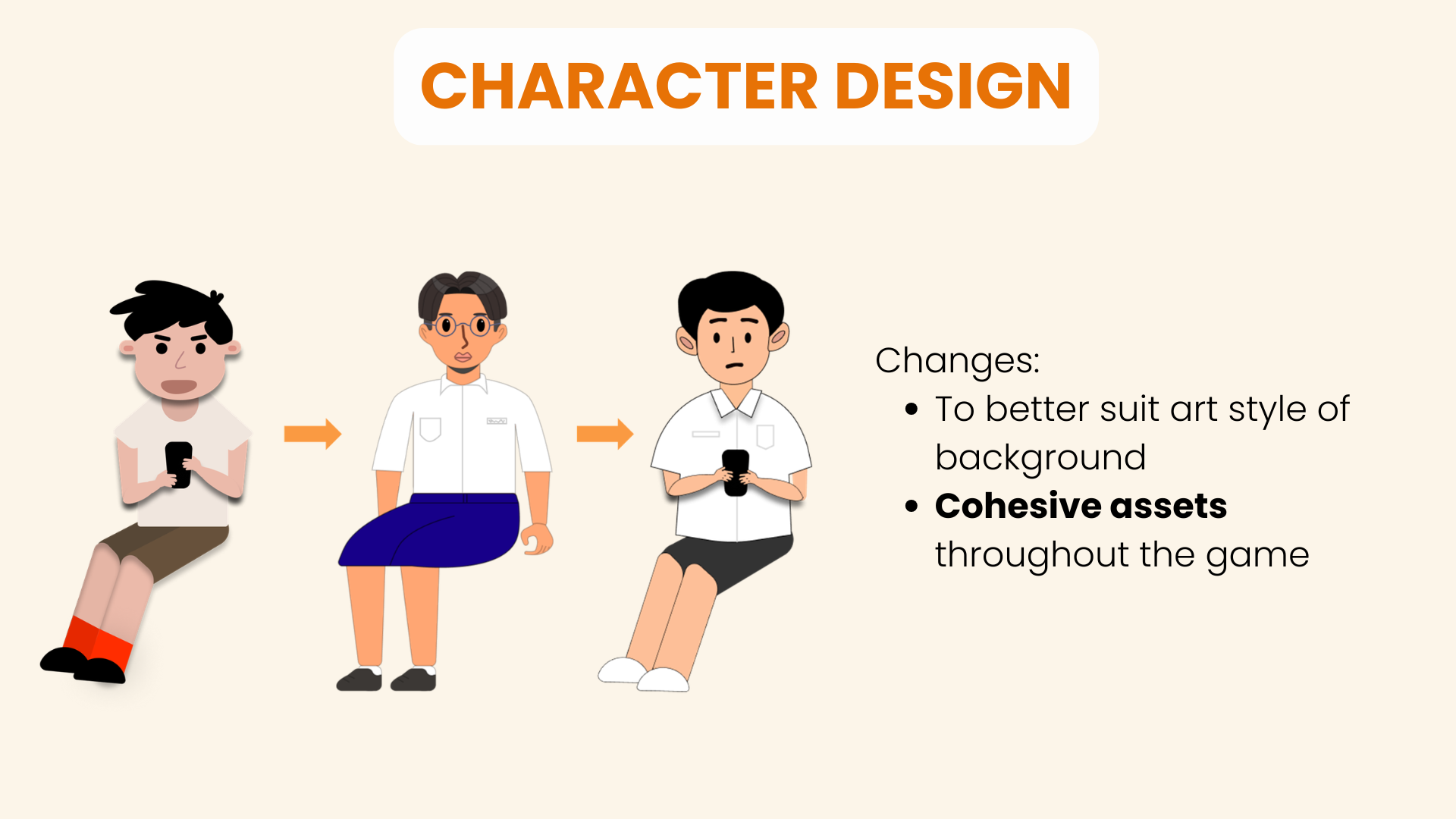
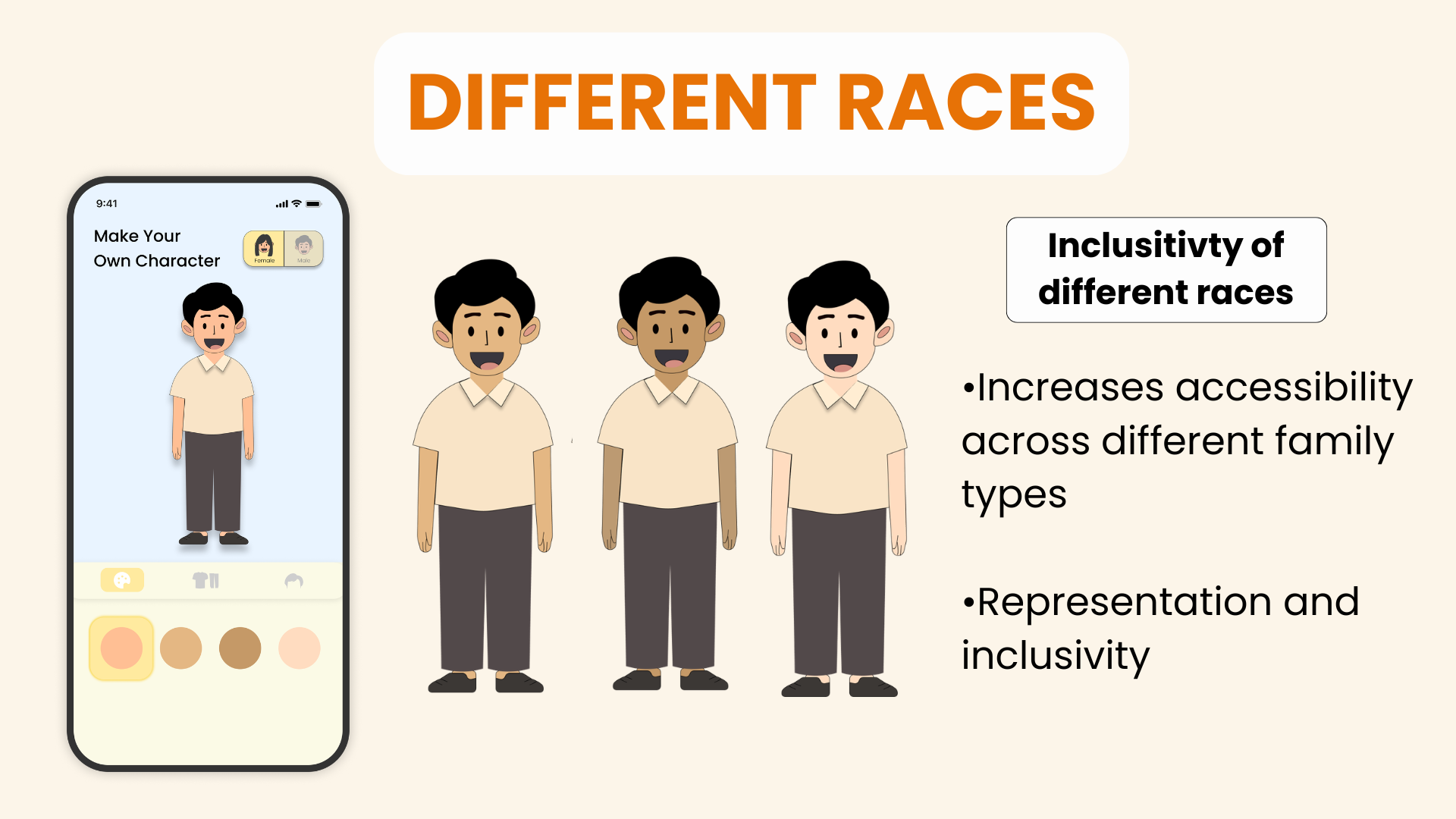
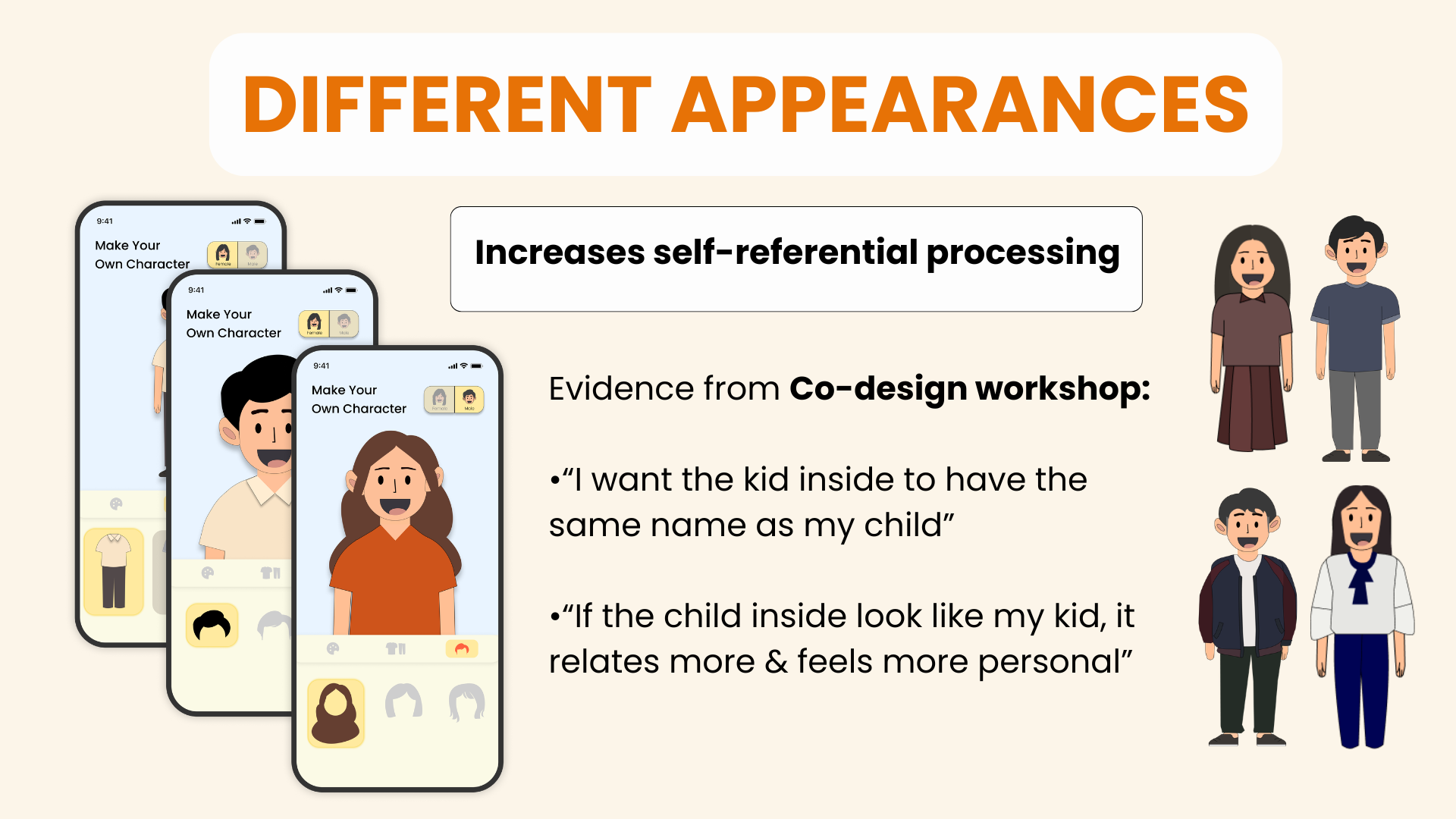
Character Customisation
Your parenting journey starts with you.Customising your character gives players a sense of ownership from the very first screen and the choices you make here aren’t just cosmetic.
Your parenting style echoes throughout the game, shaping how your child responds and how the story unfolds.
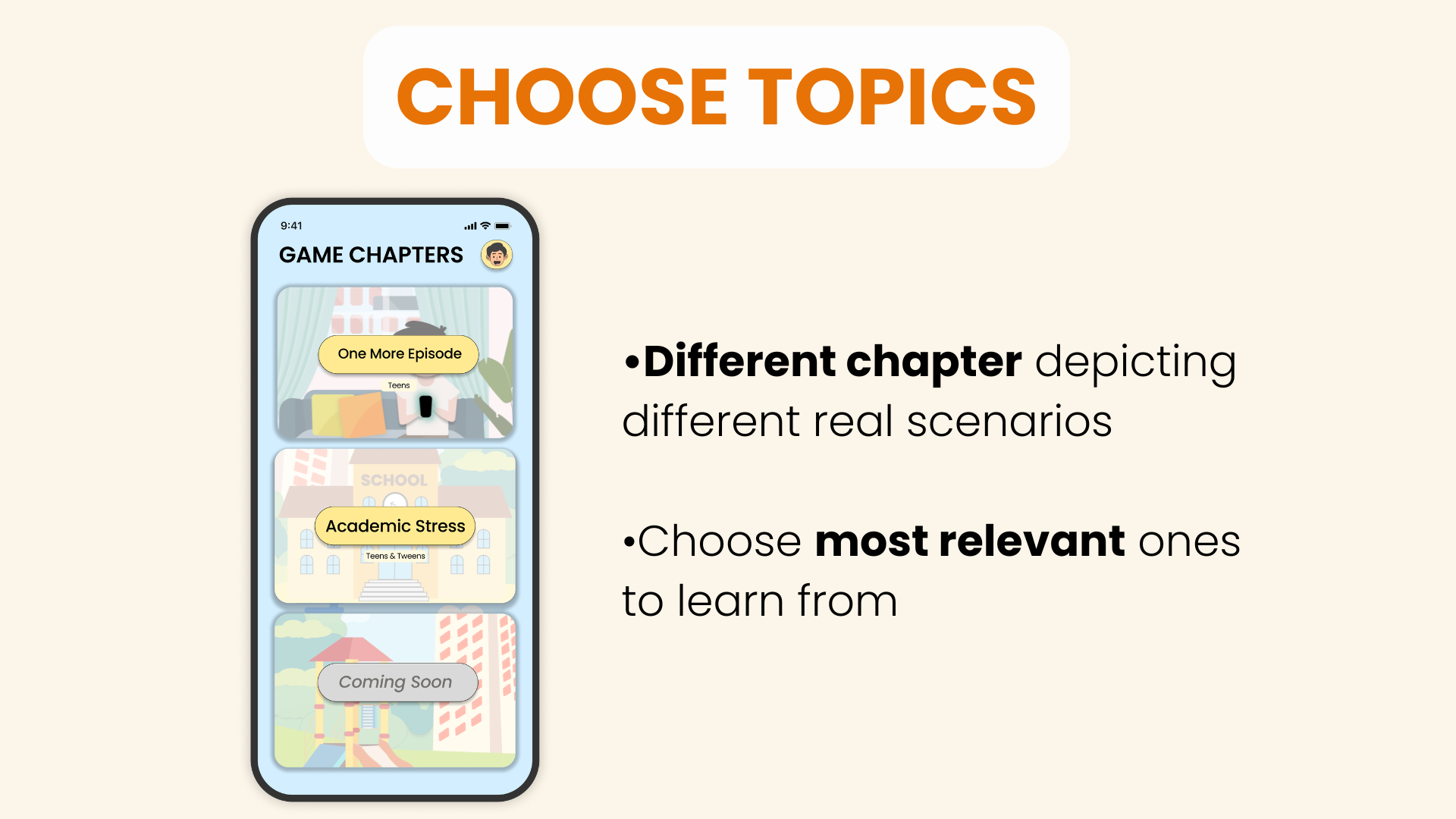
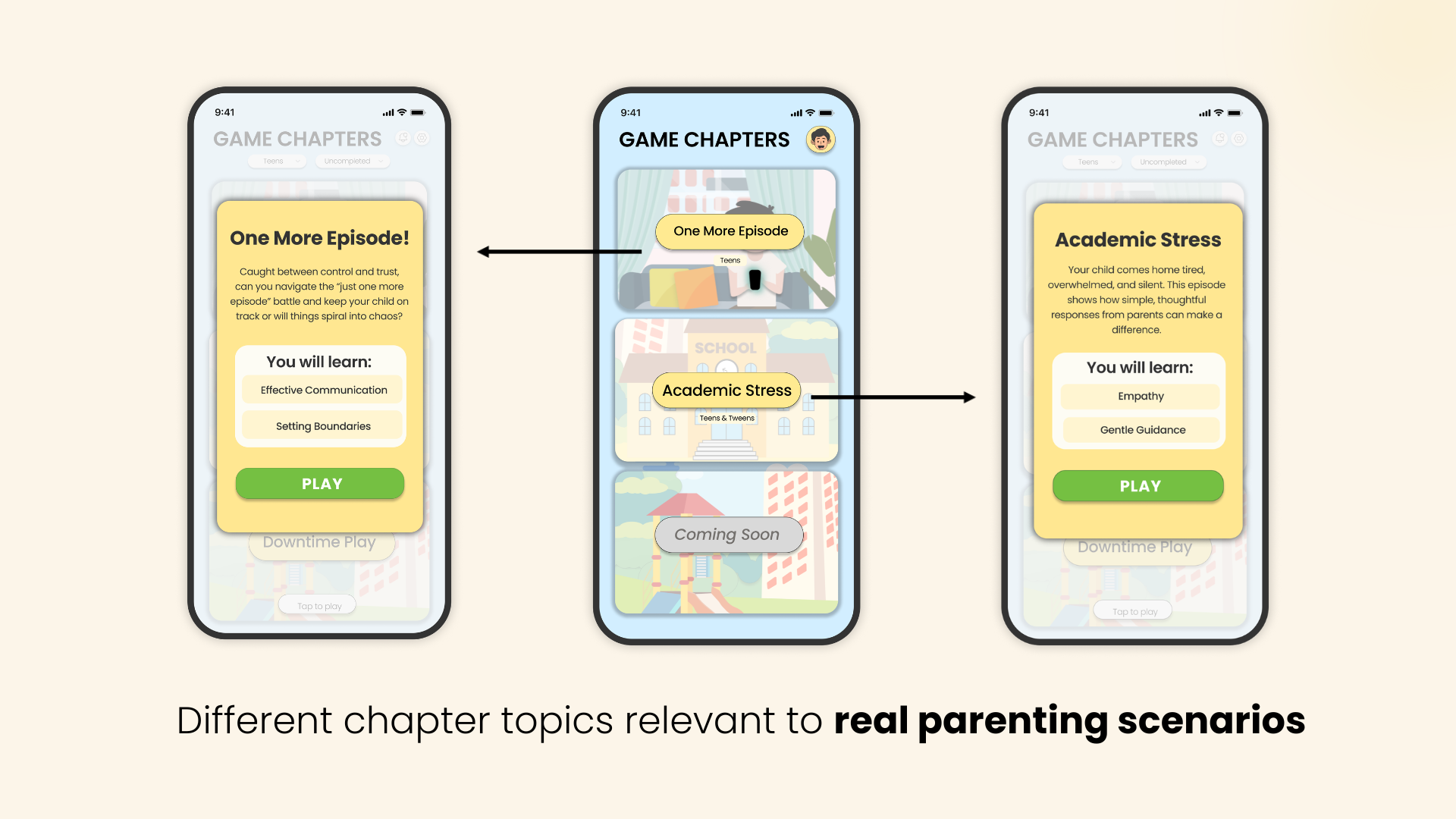
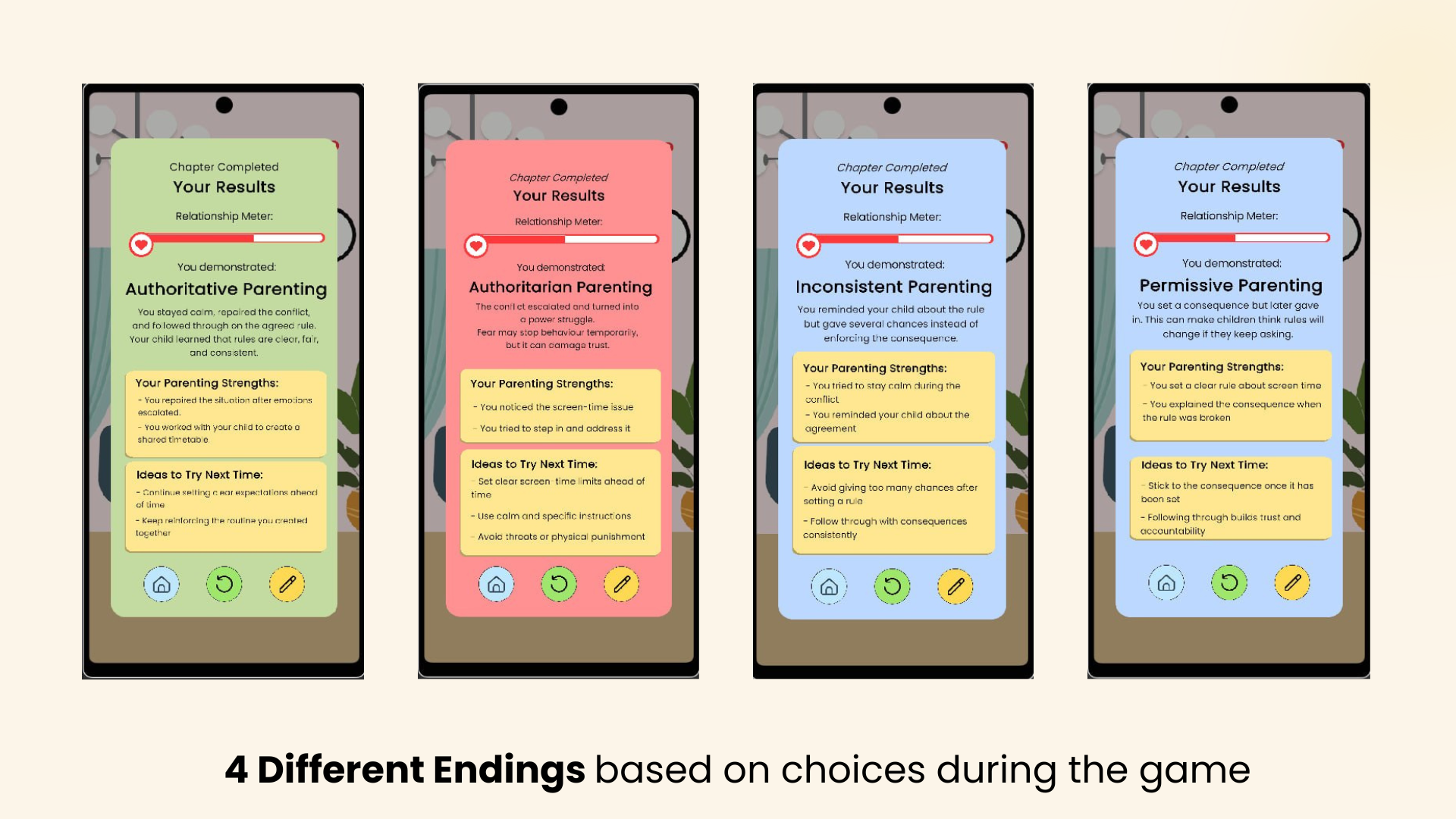
Every parent’s story is different. Chapters are structured around real-life parenting stages, so the scenarios feel familiar and grounded. There’s no single “right” way to parent, every chapter can be replayed, letting you explore different approaches and see where they lead.
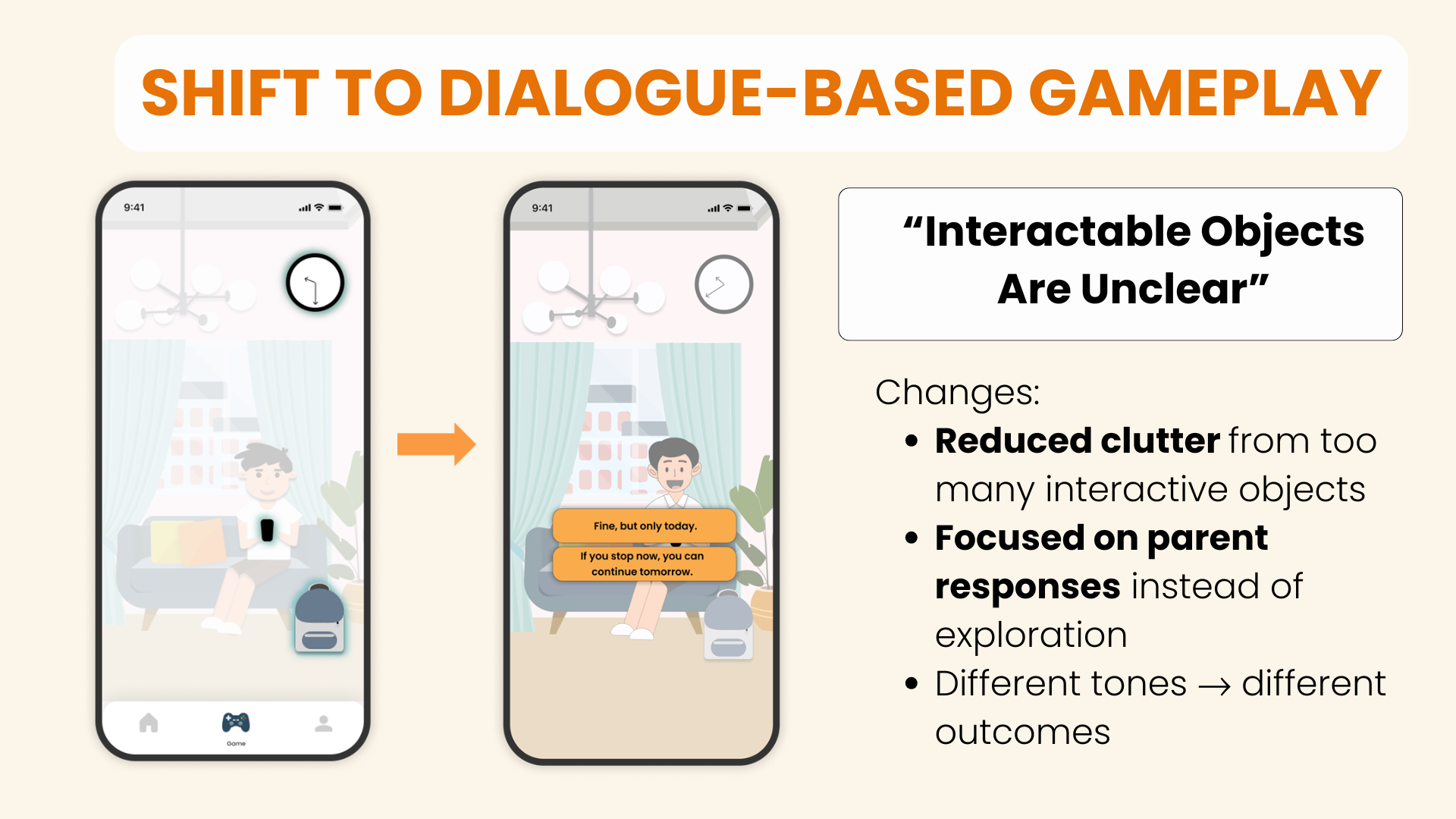
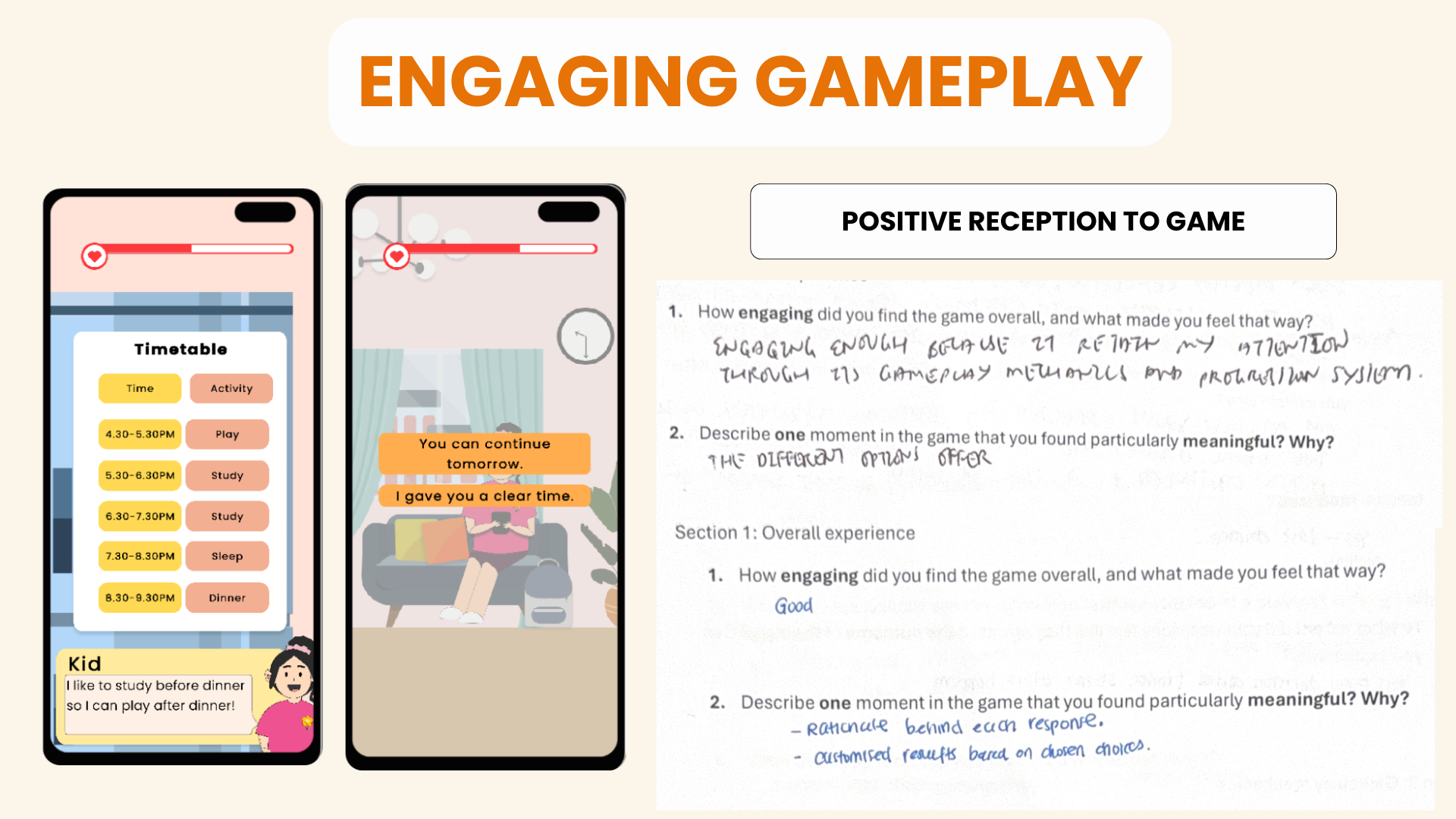
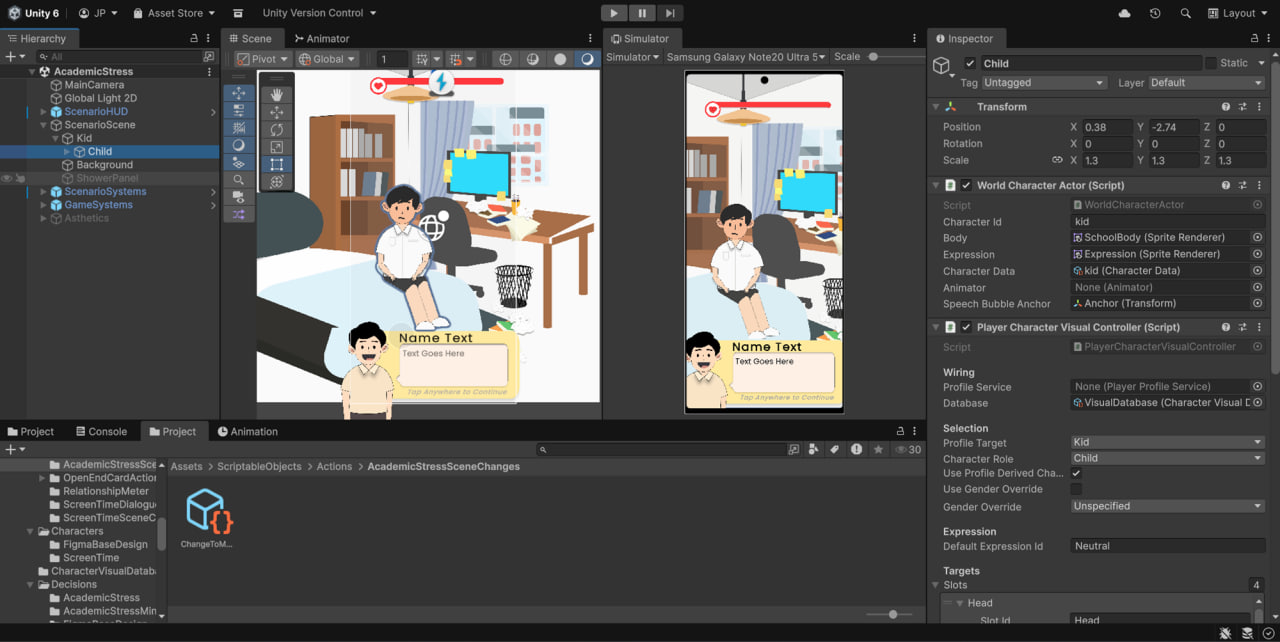
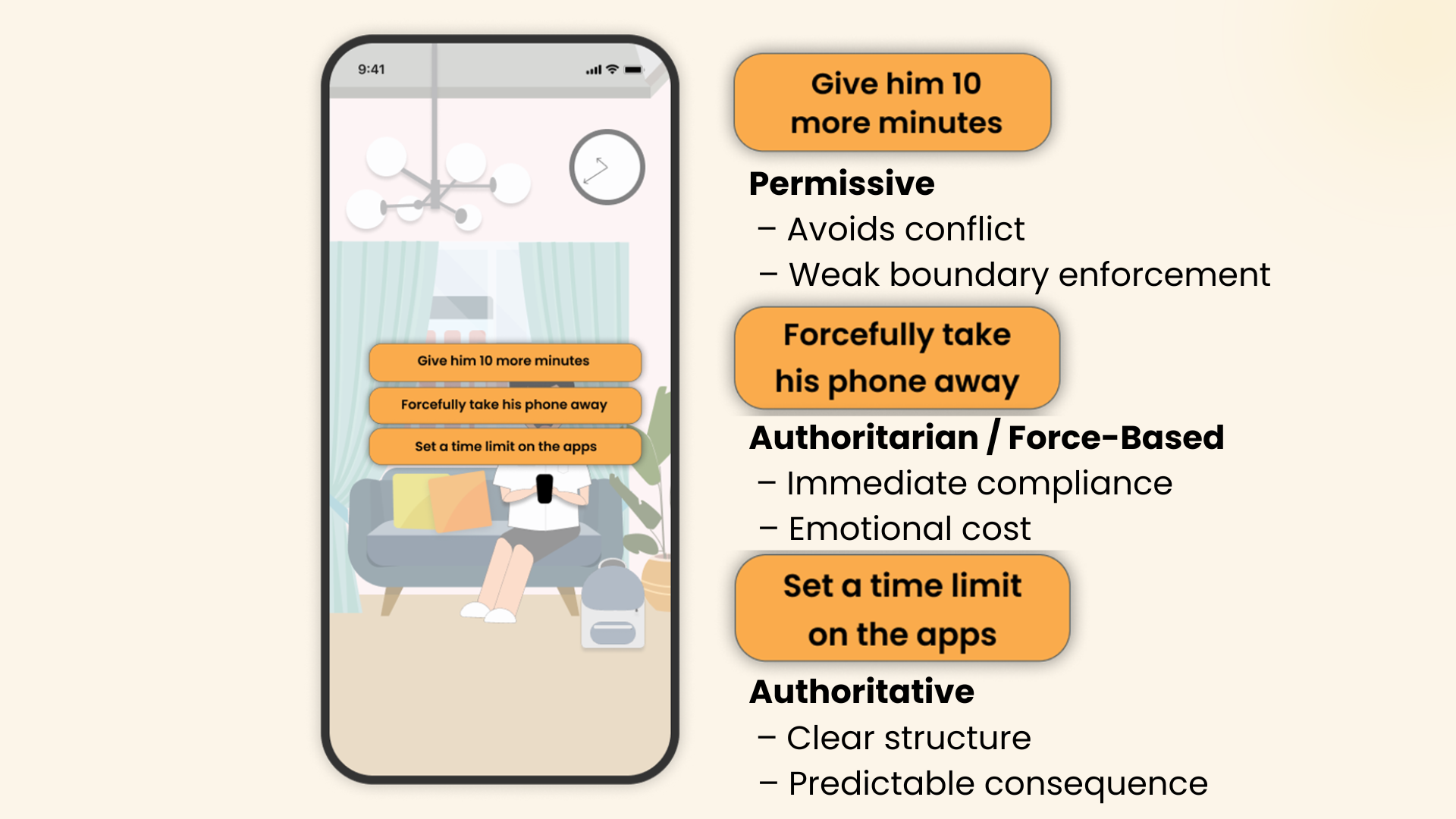
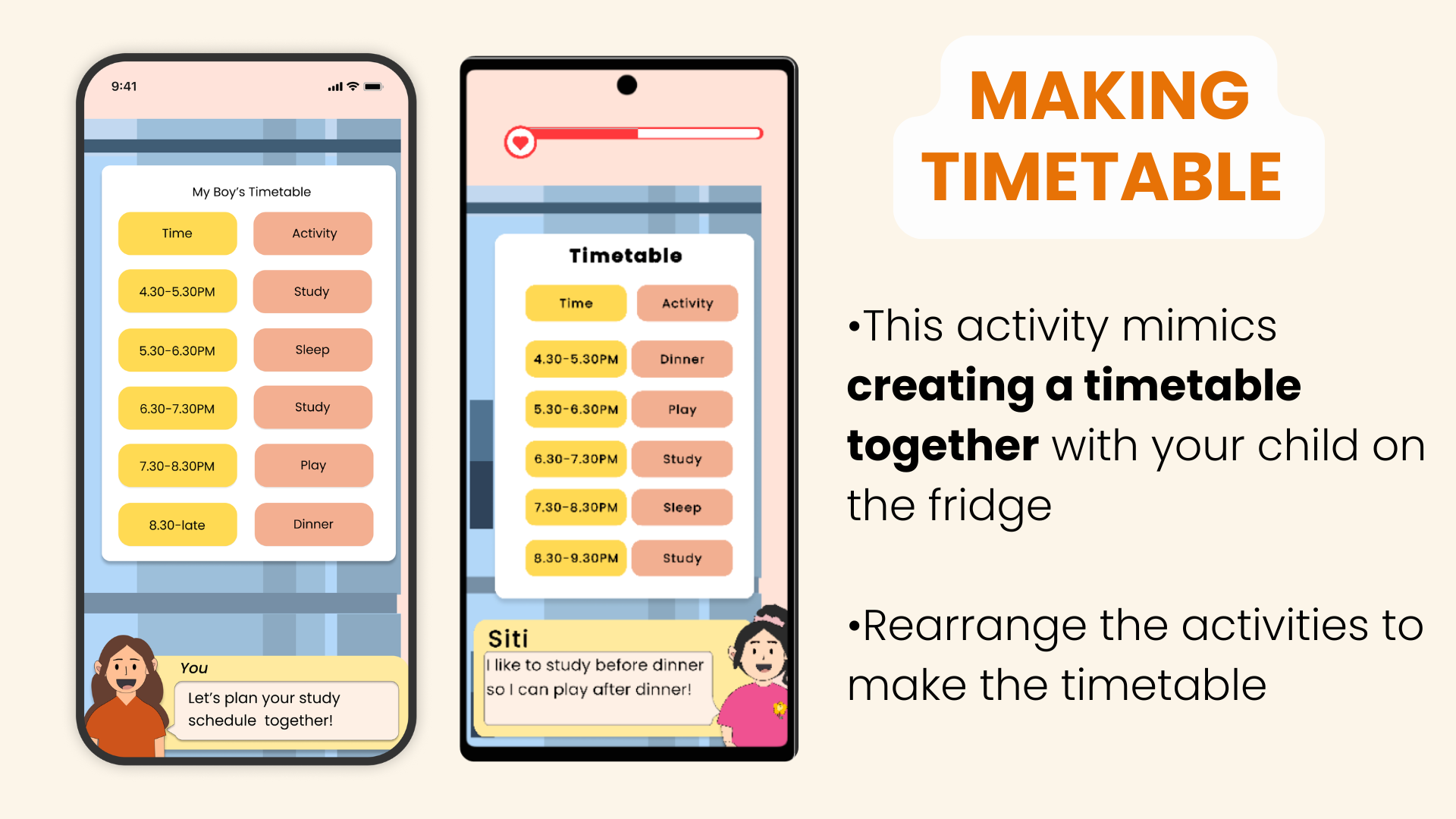
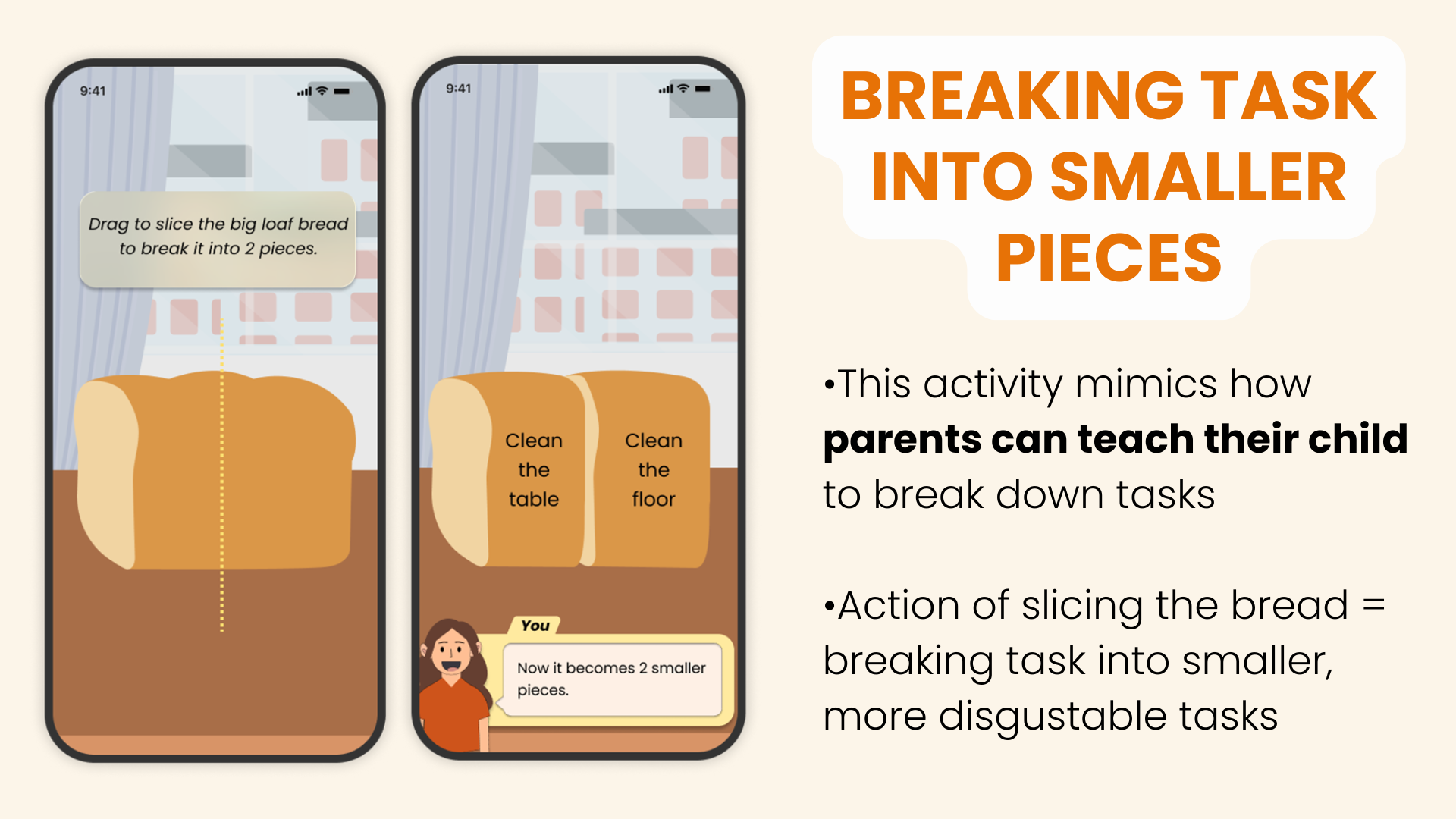
Gameplay unfolds through dialogue-based scenarios that drop you into real, everyday parenting moments.
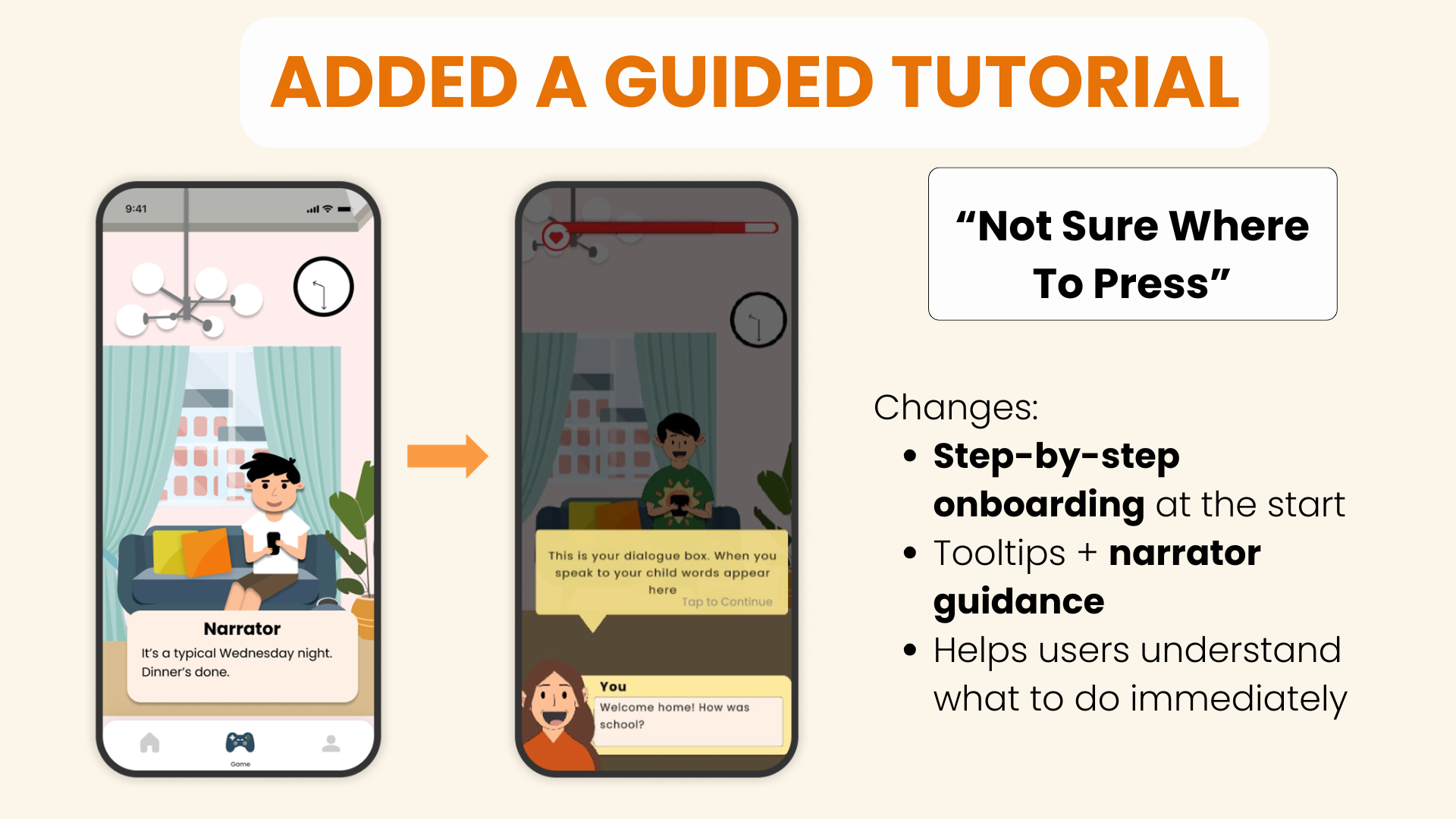
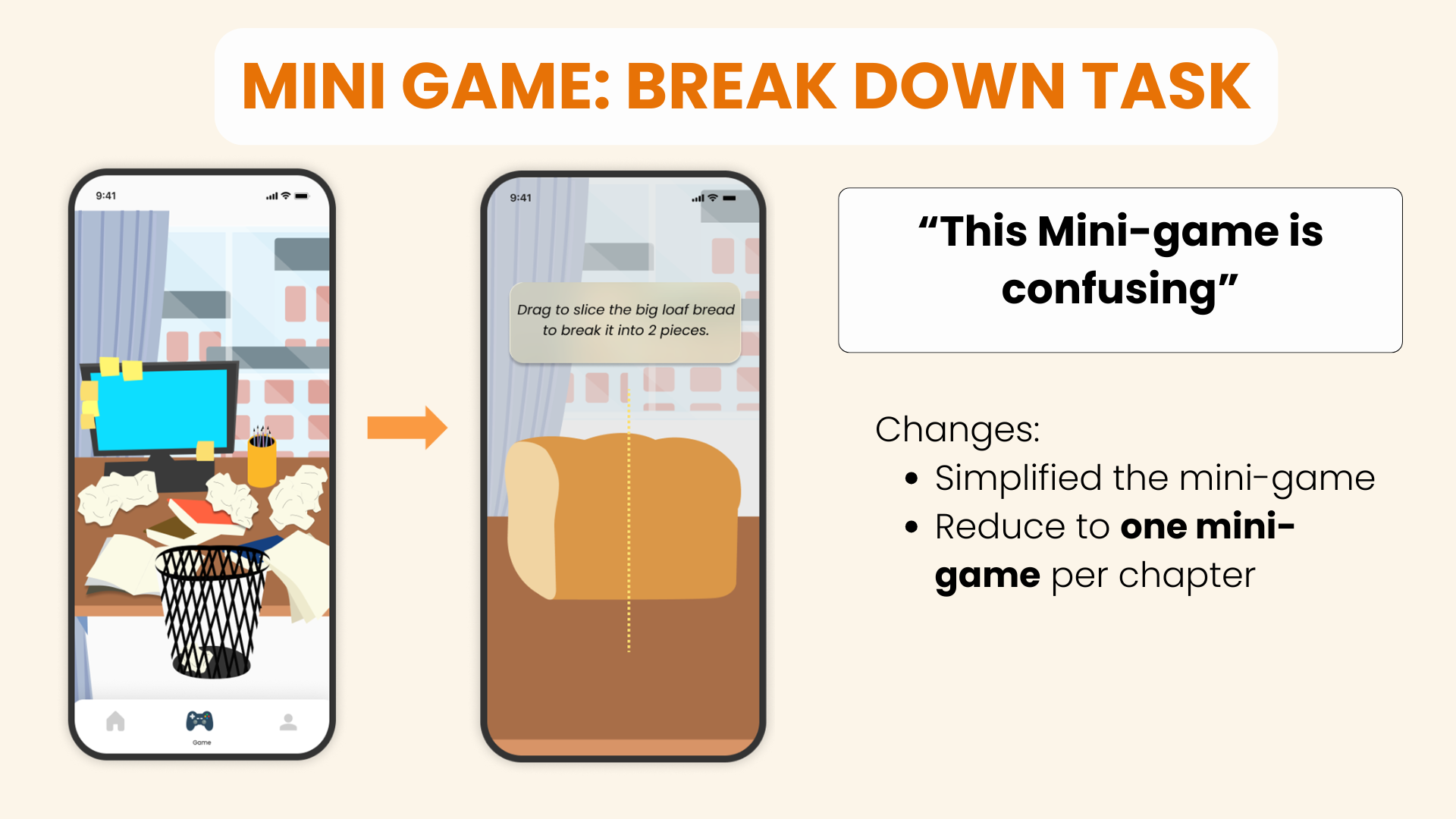
Using a point-and-click mechanic, you interact with the scene at your own pace, then choose how to respond from a set of options.
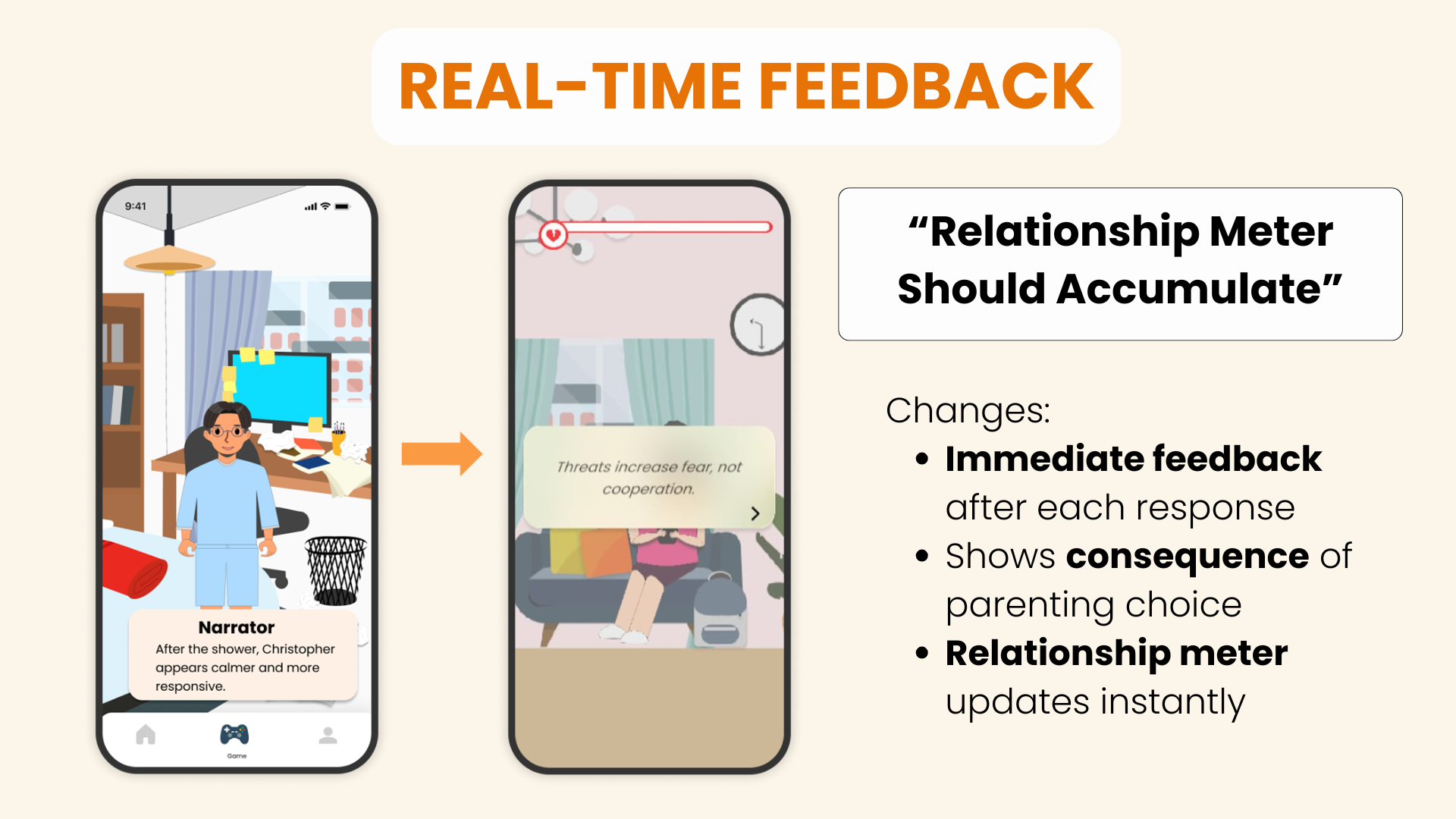
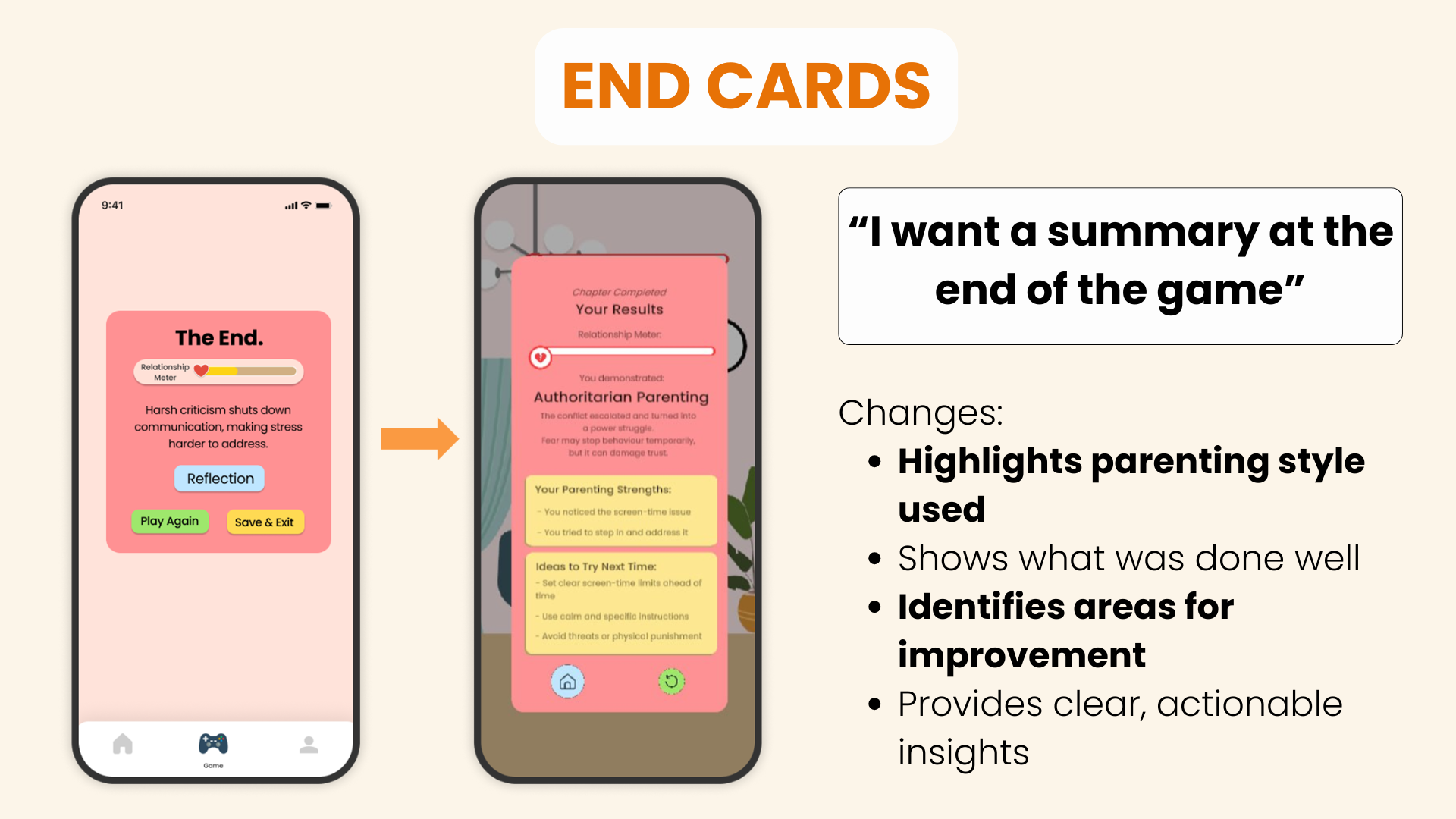
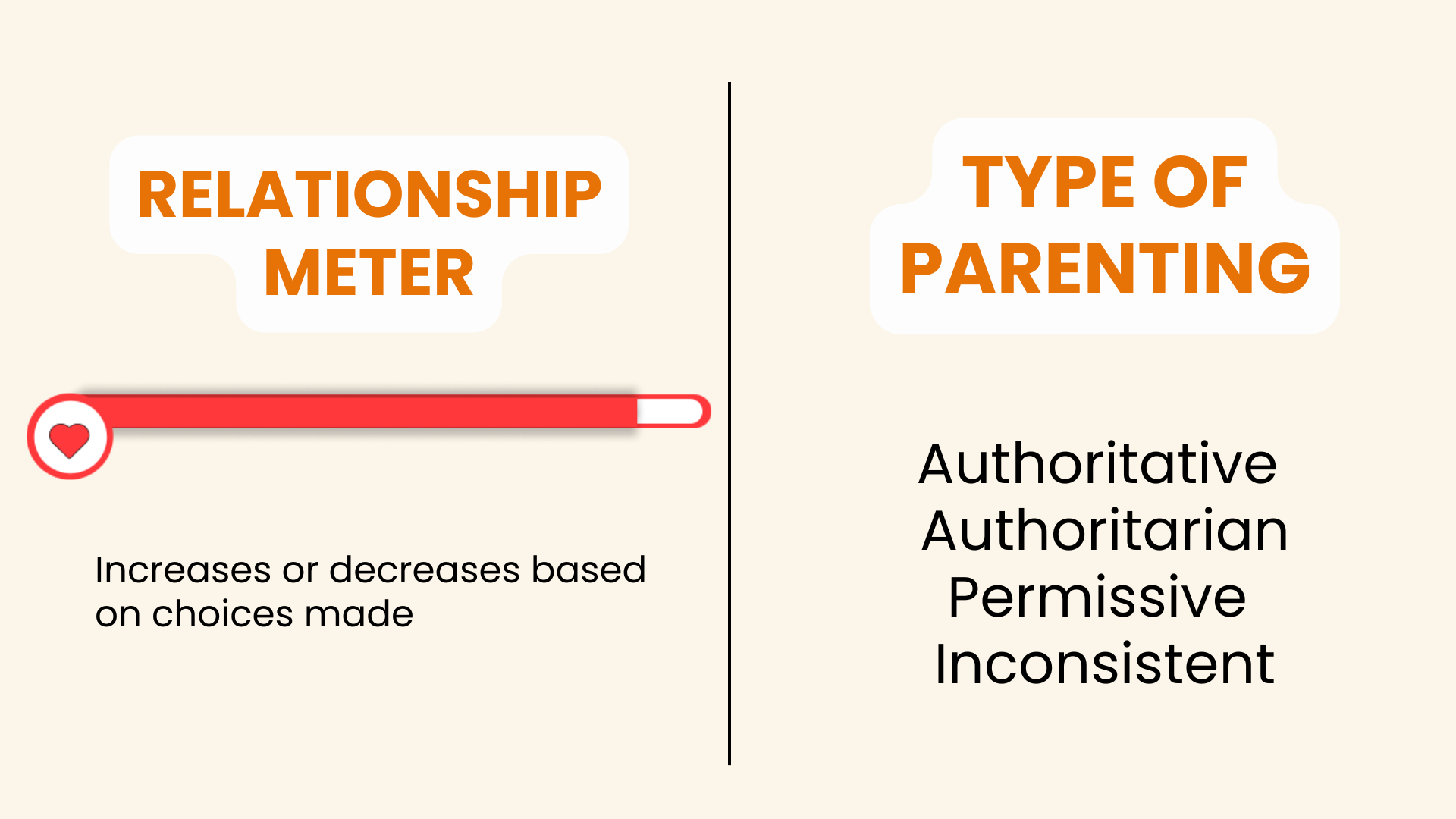
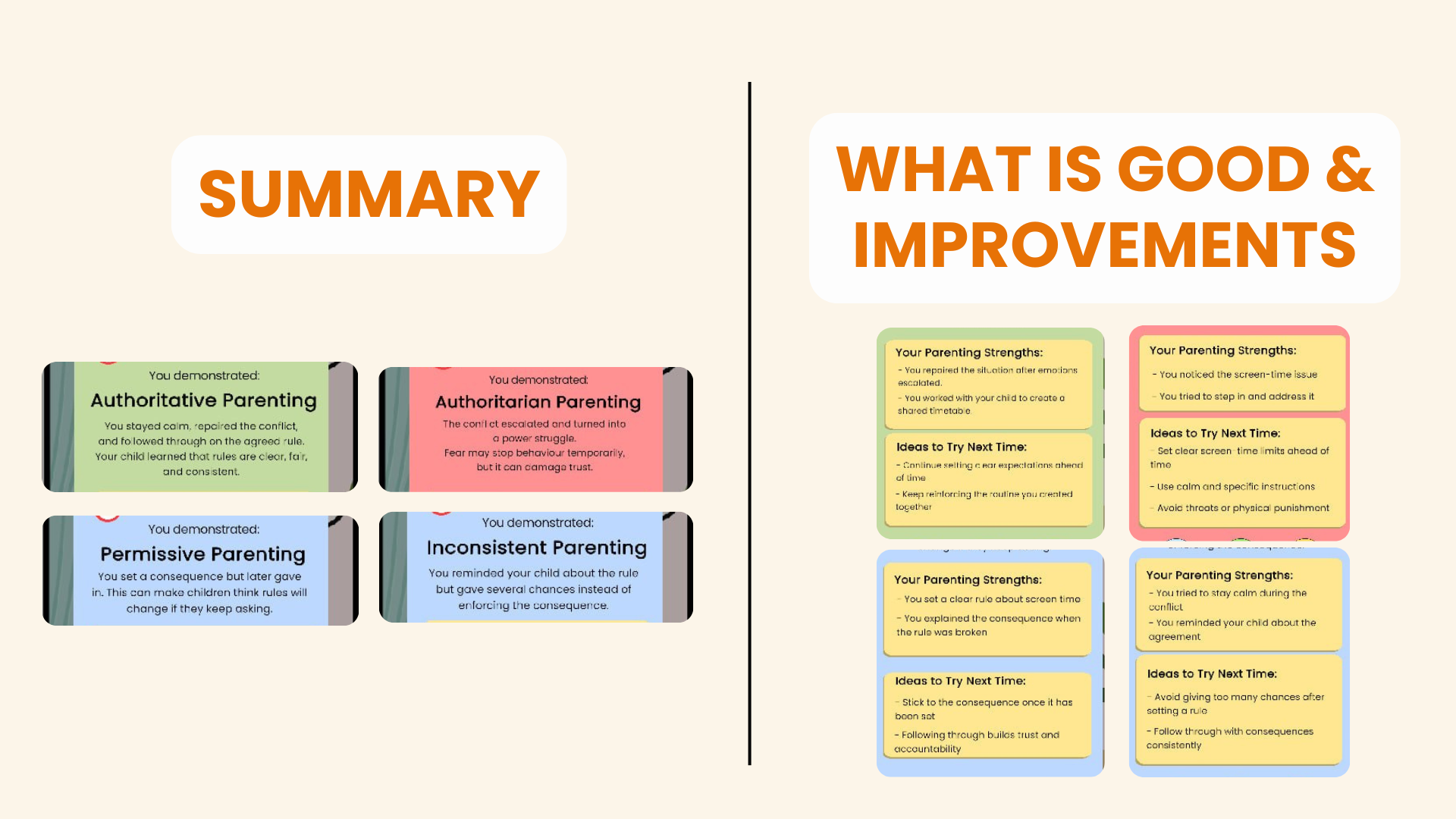
Each choice reflects a different parenting approach, and the consequences quietly accumulate which shapes your child’s mood, trust, and the relationship between you as the story progresses.
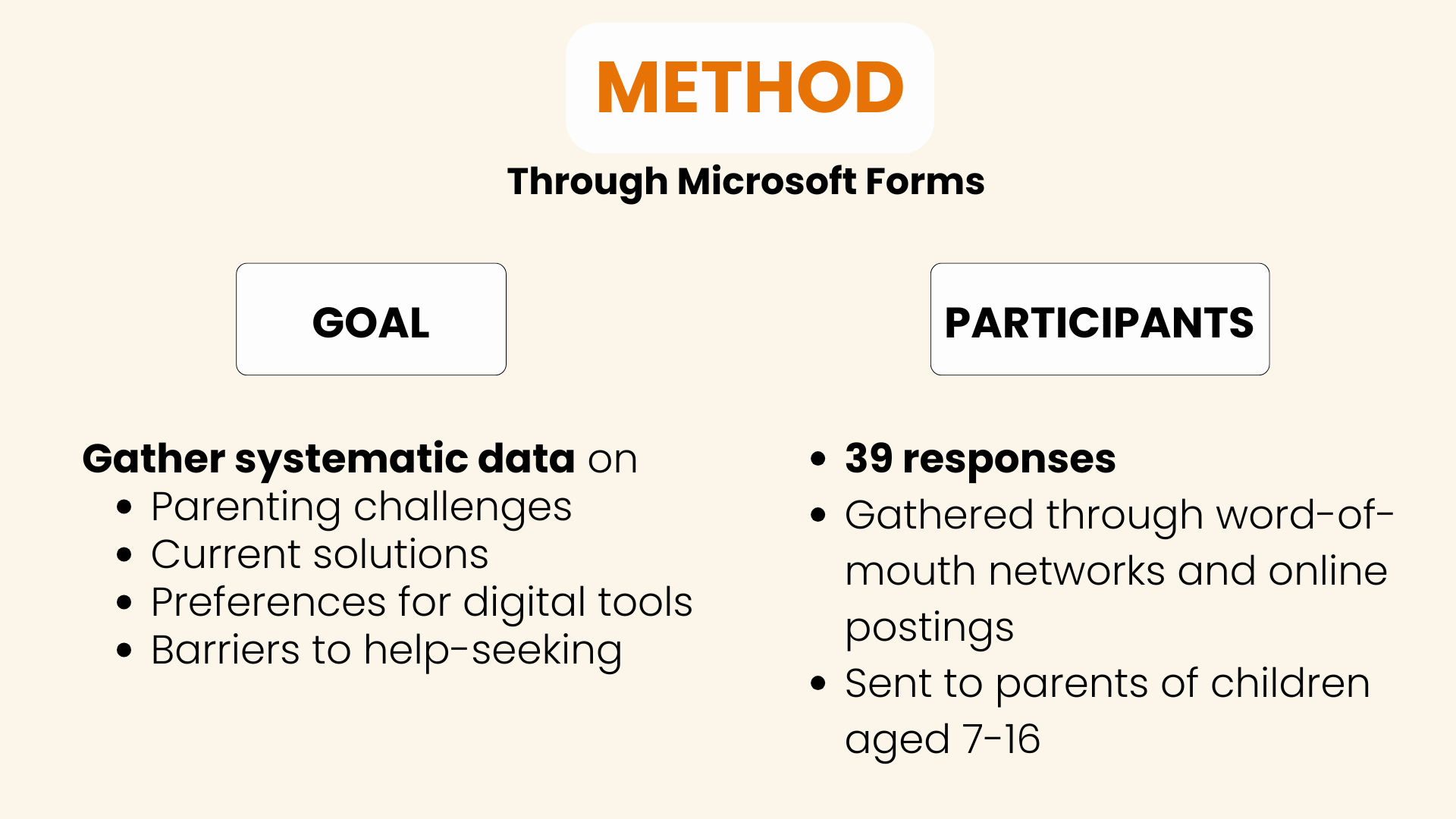
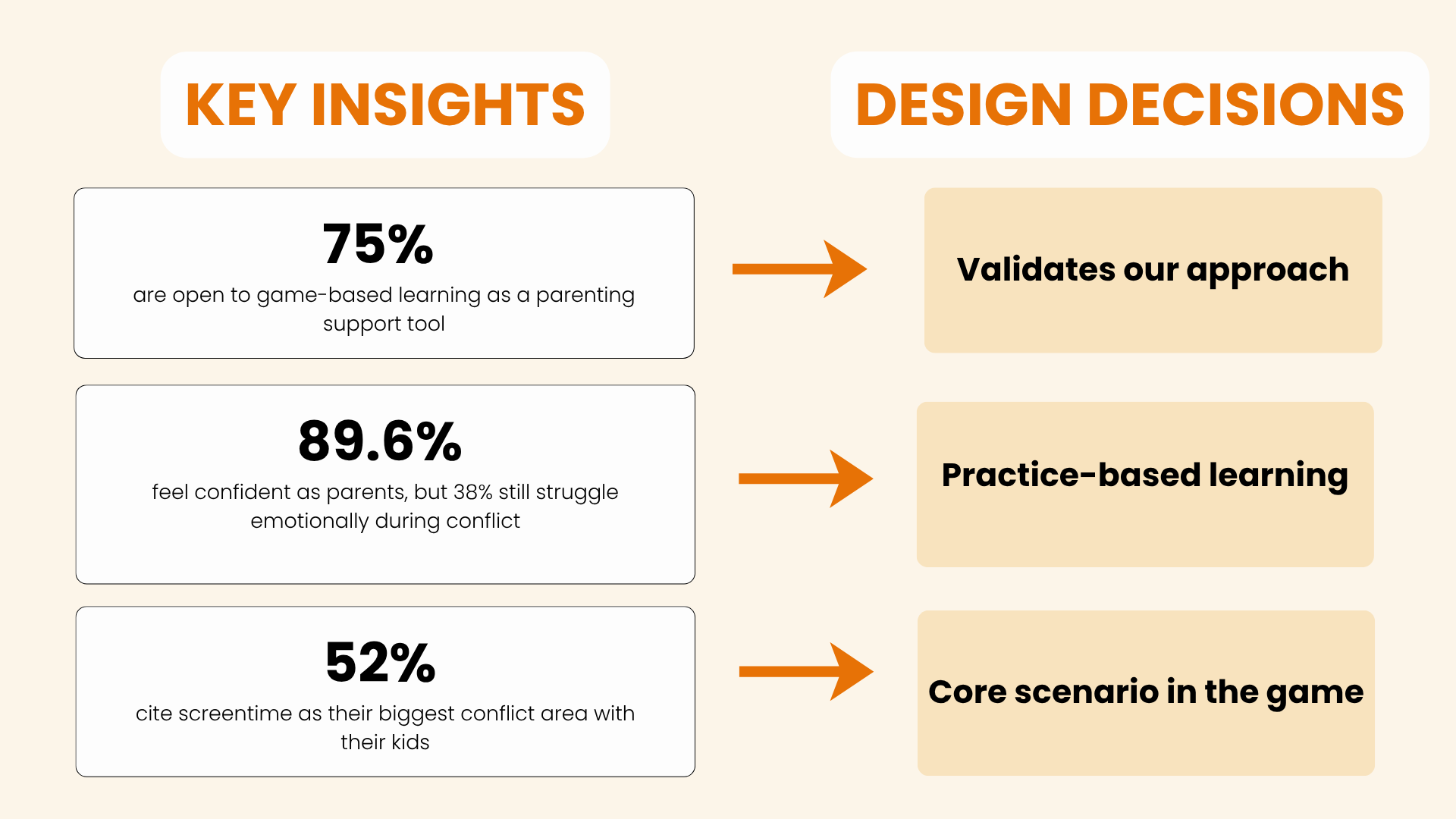
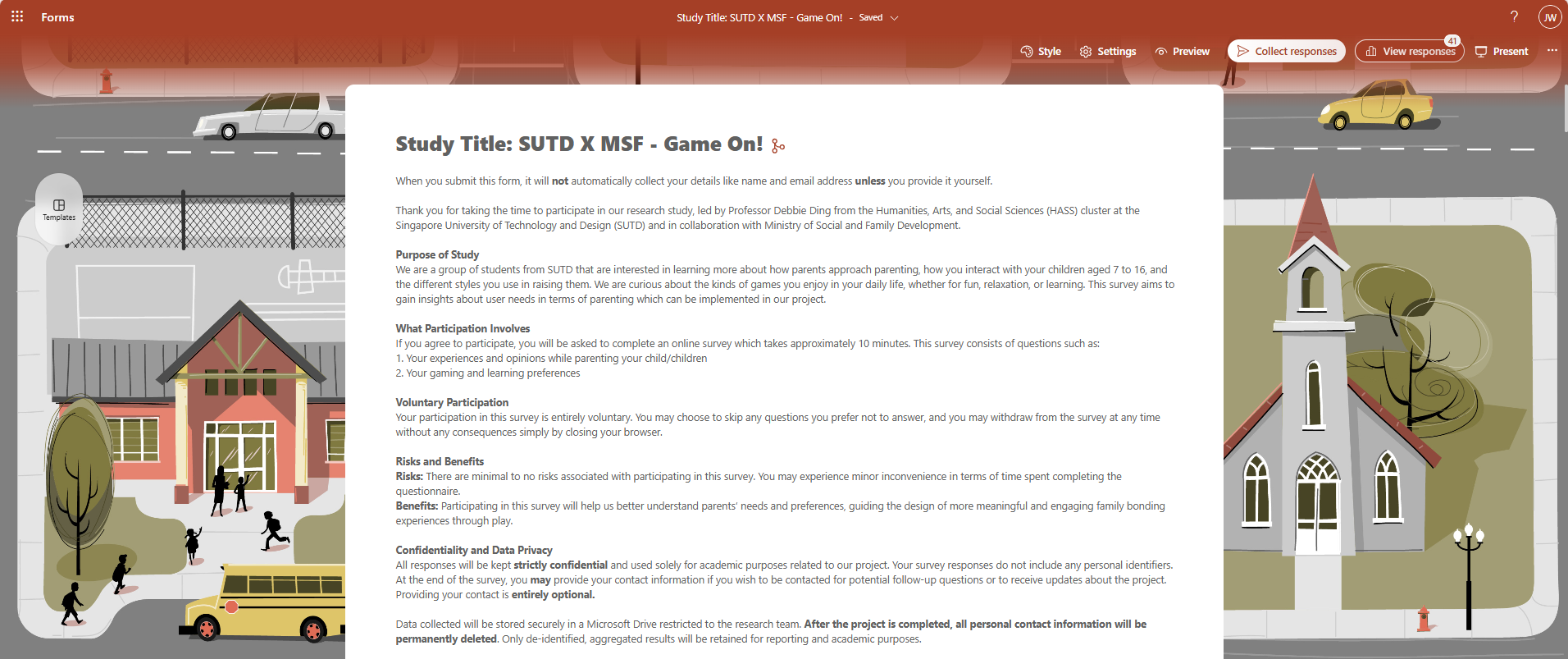
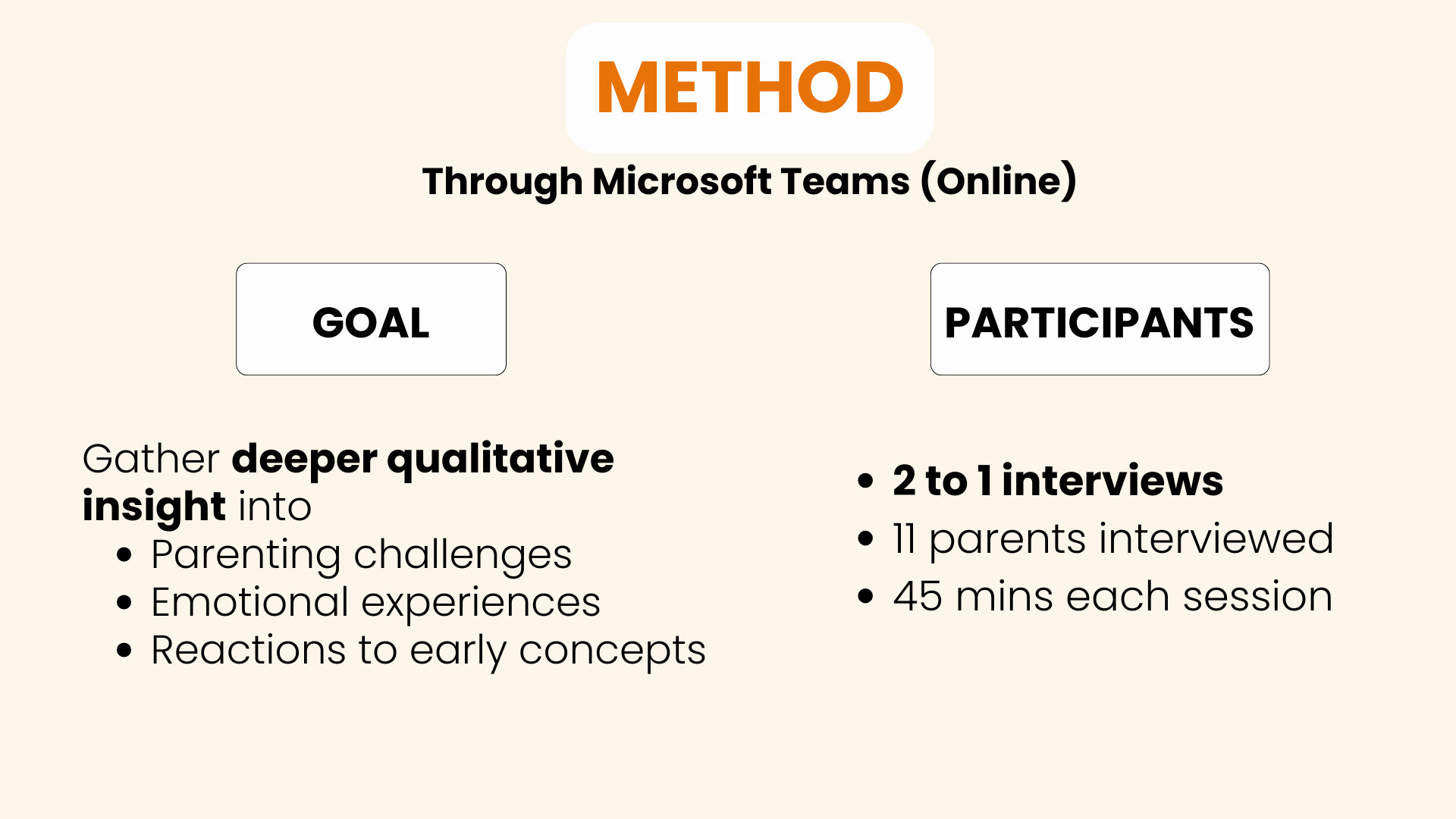
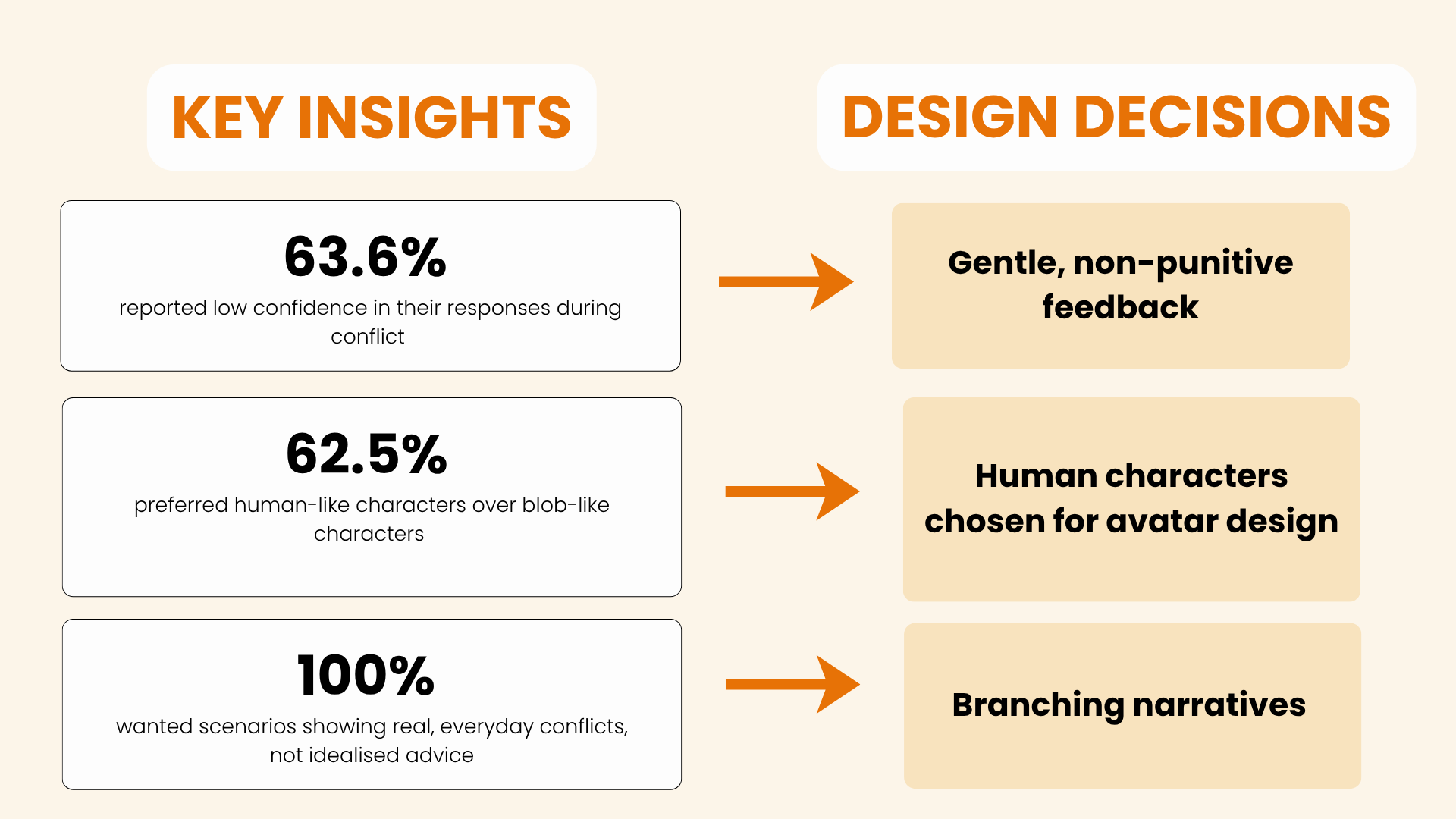
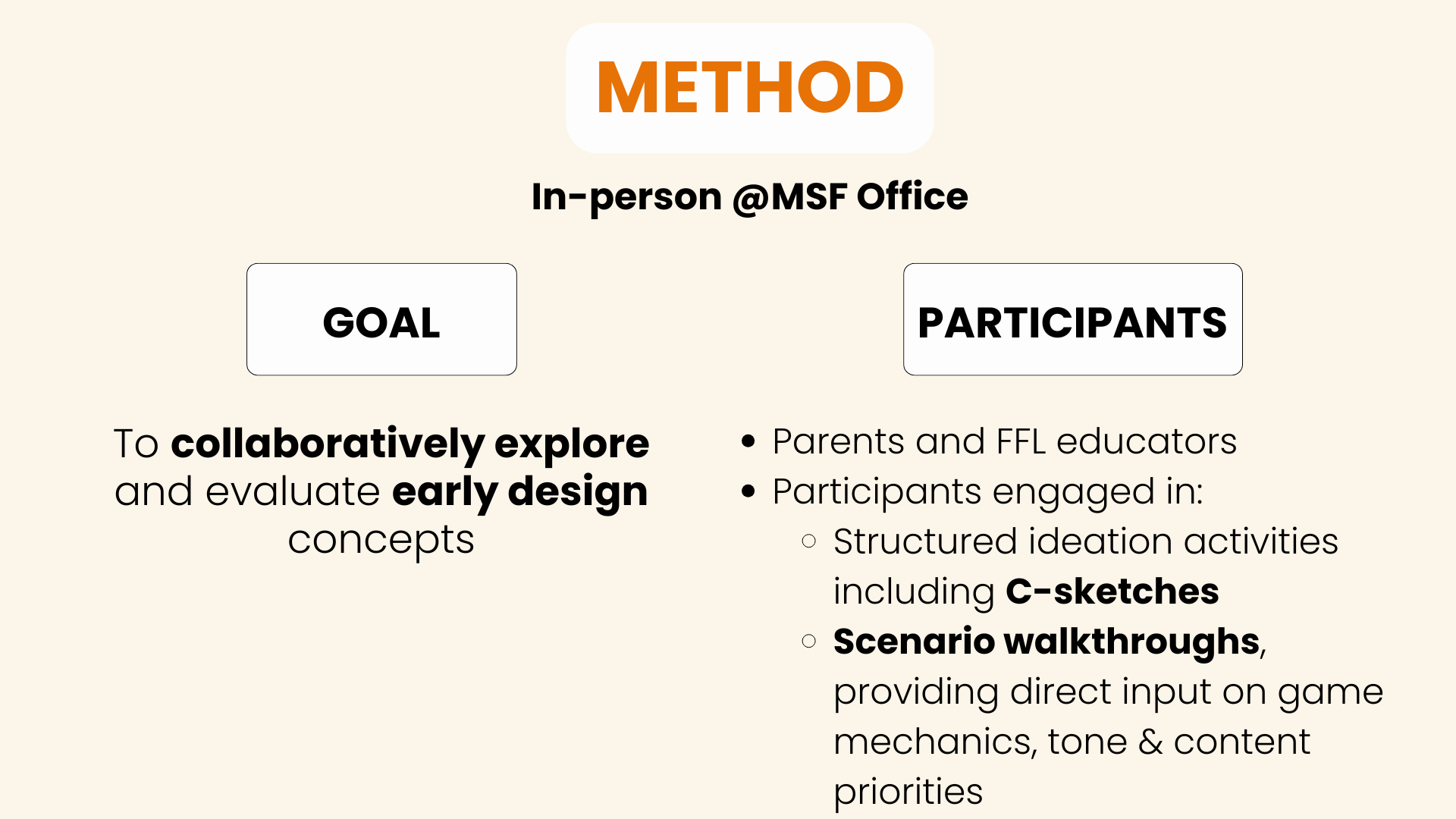
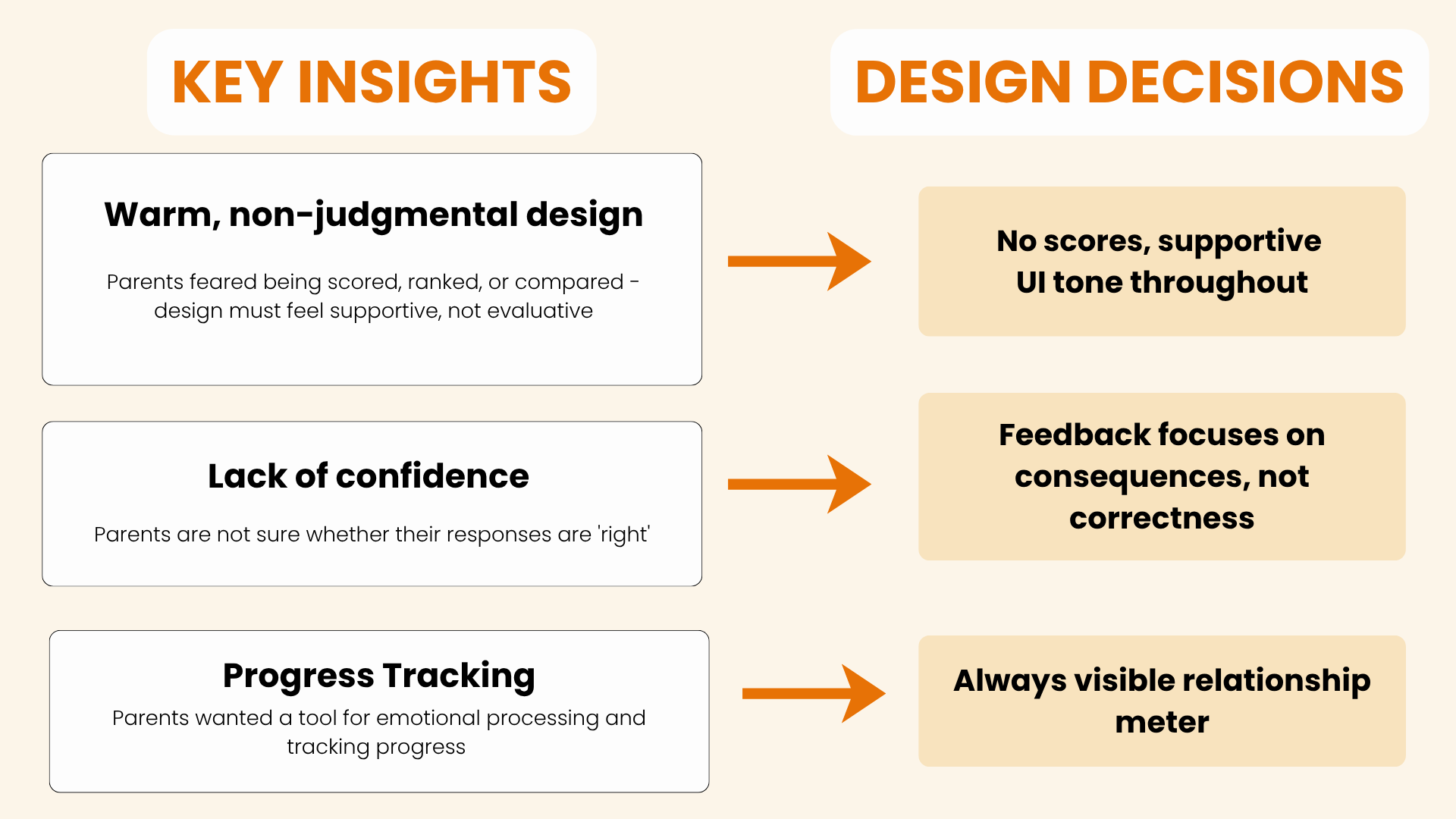
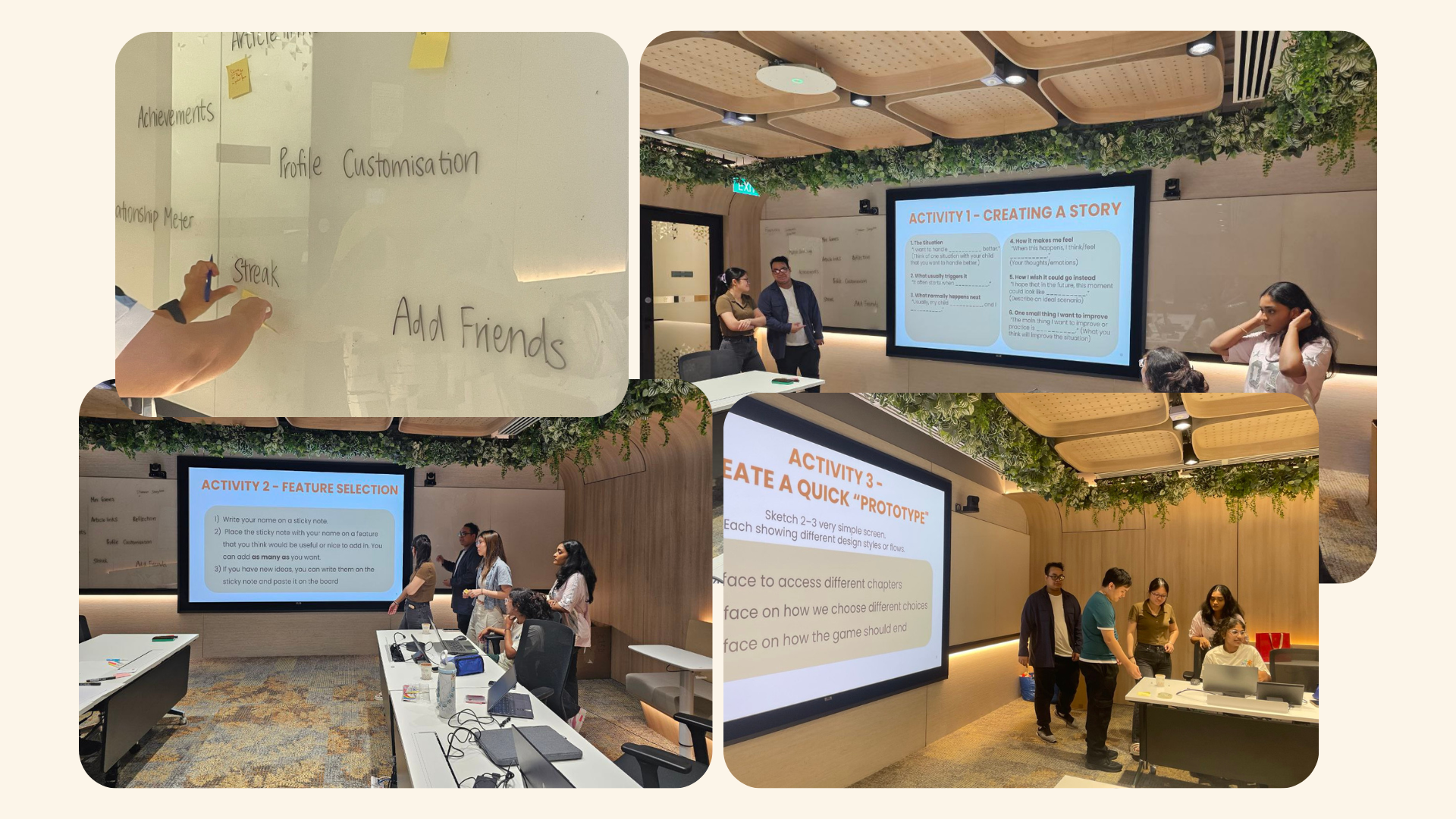
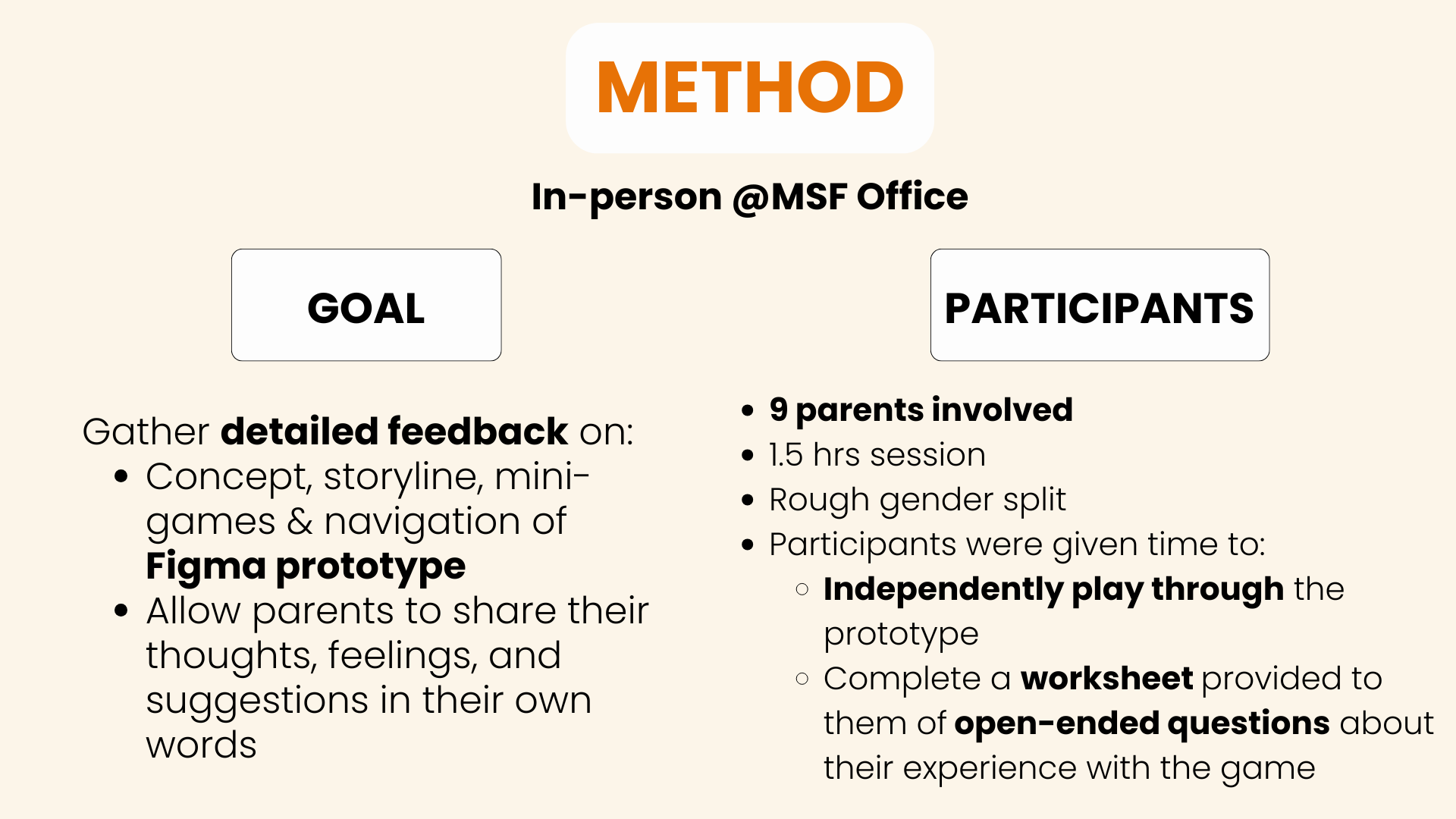
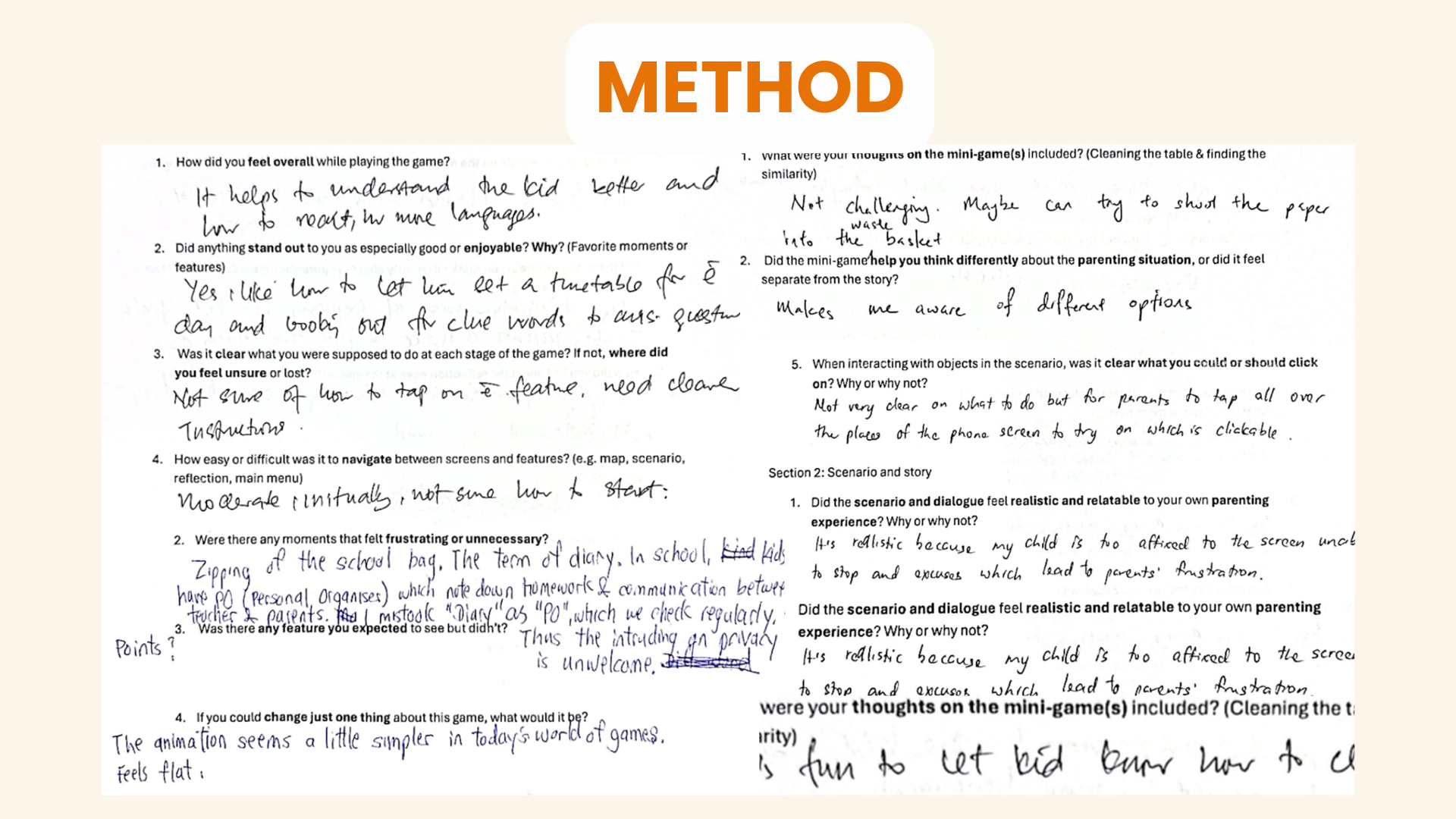
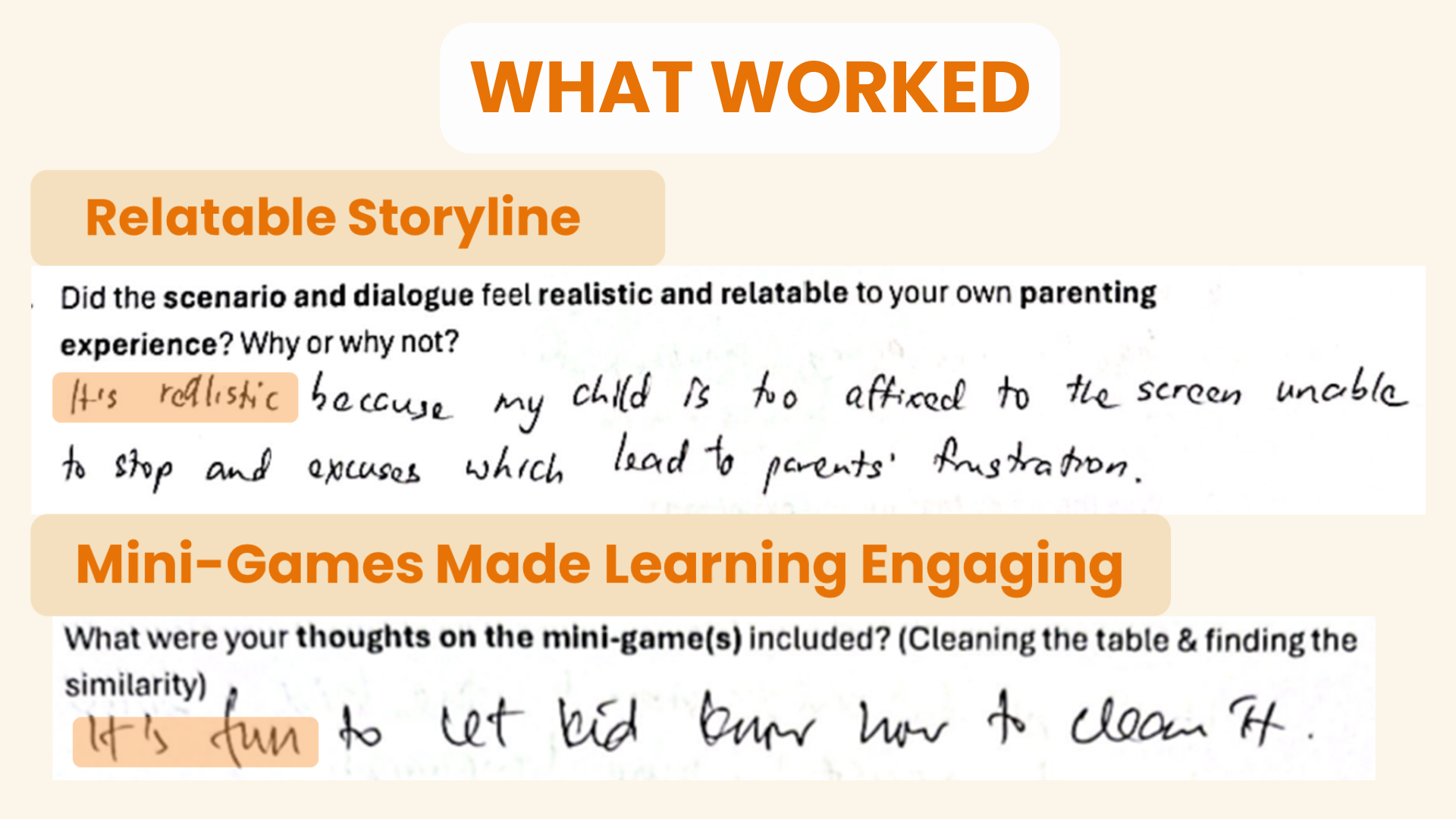
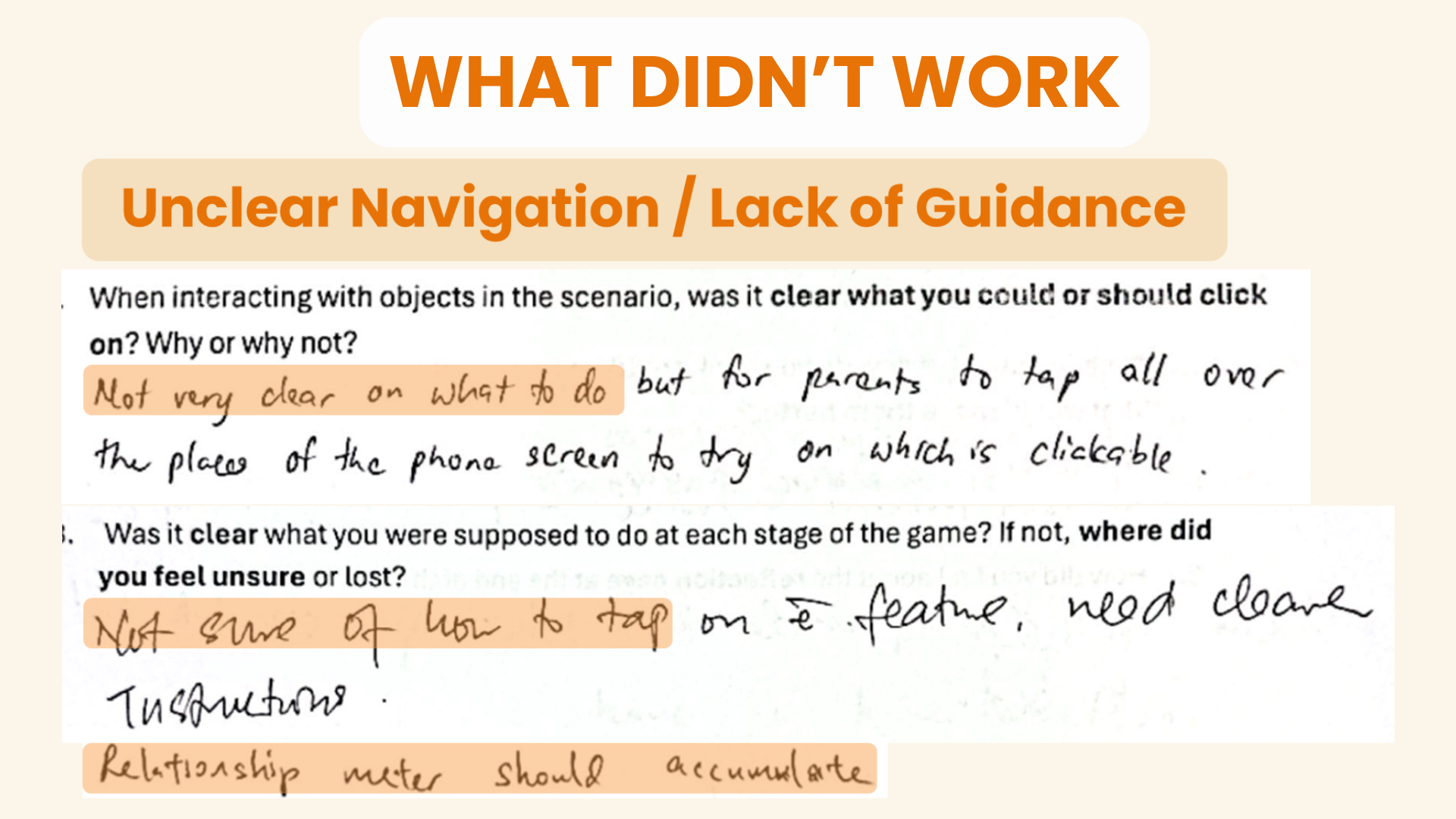
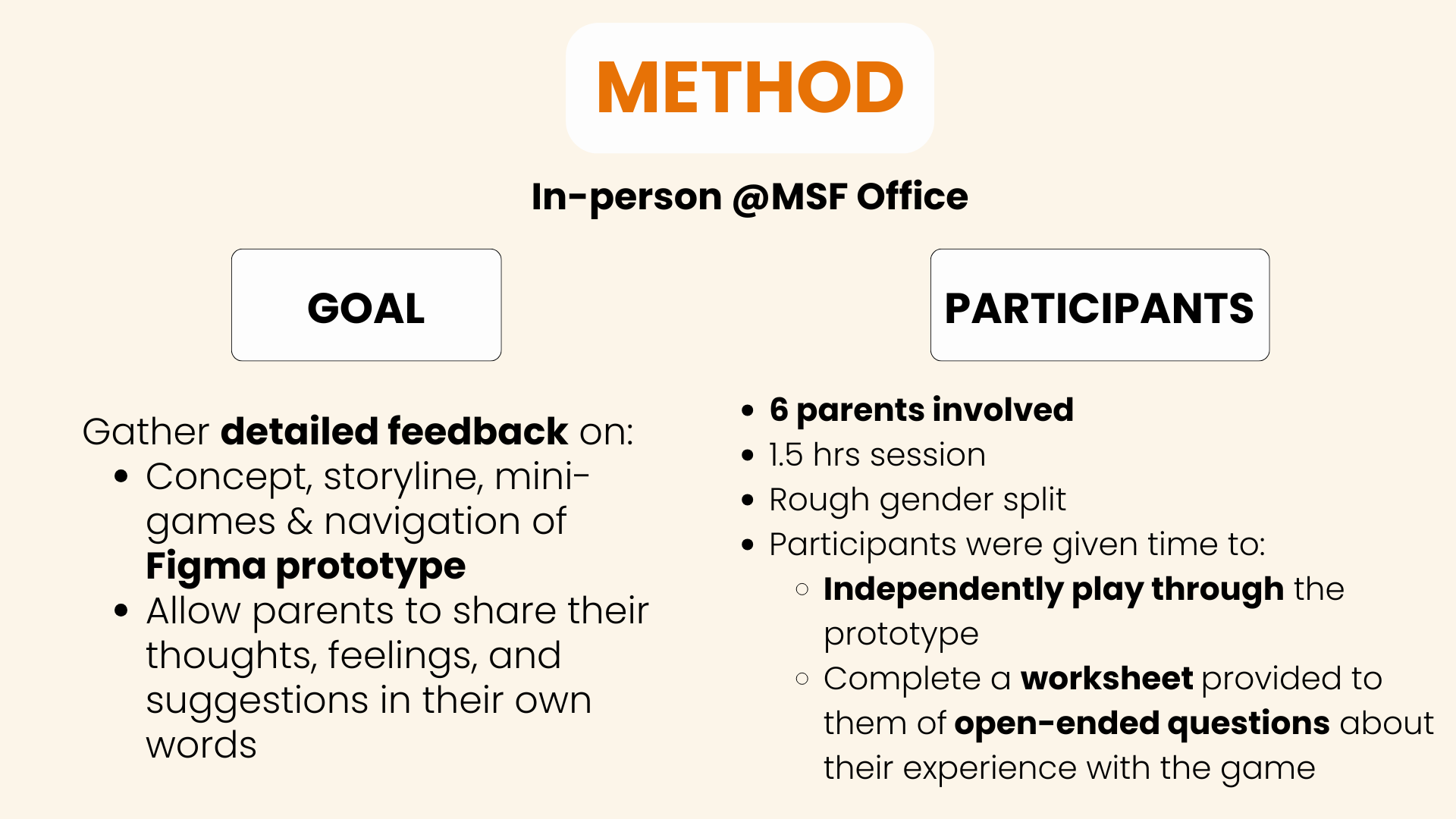
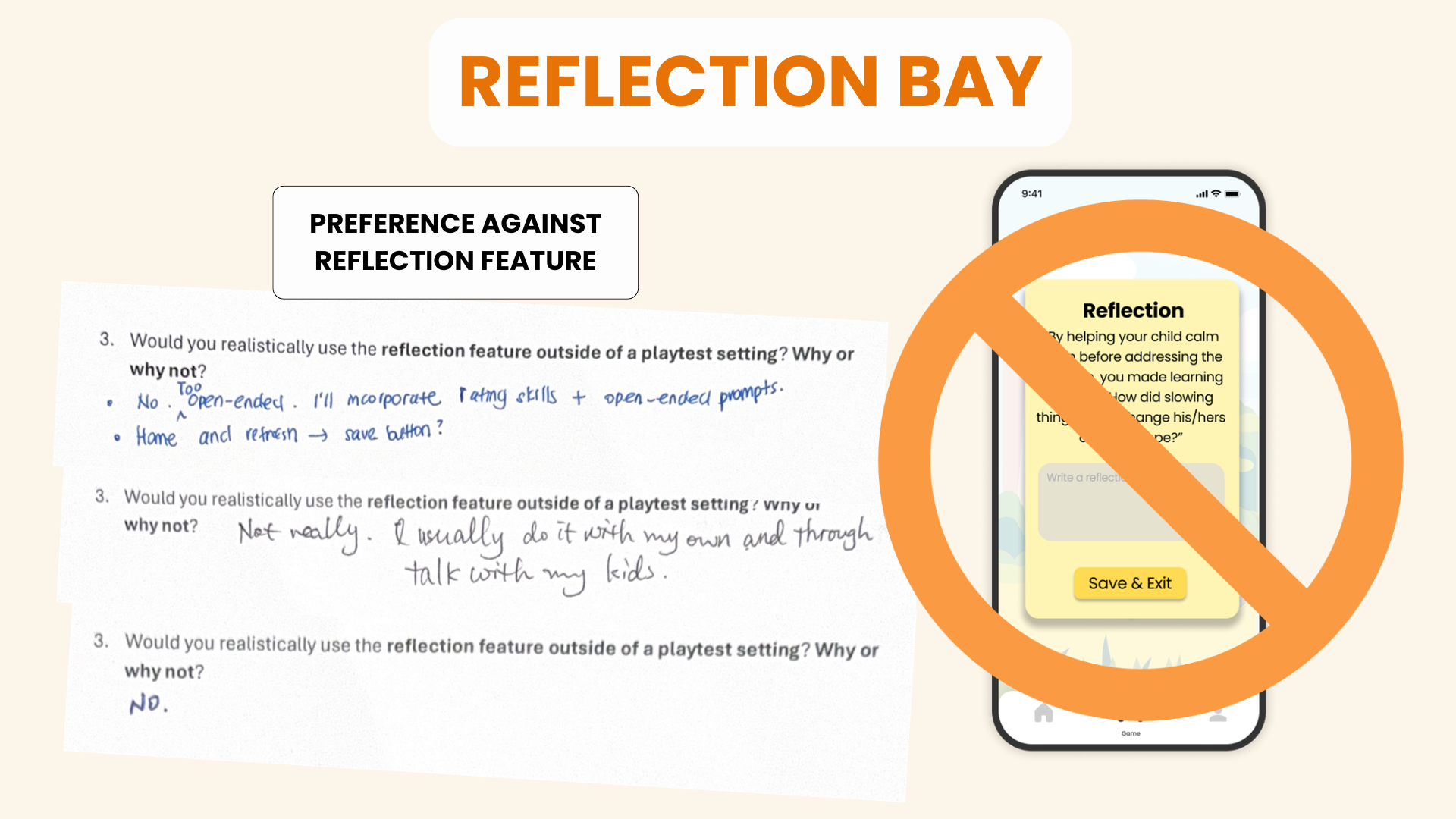
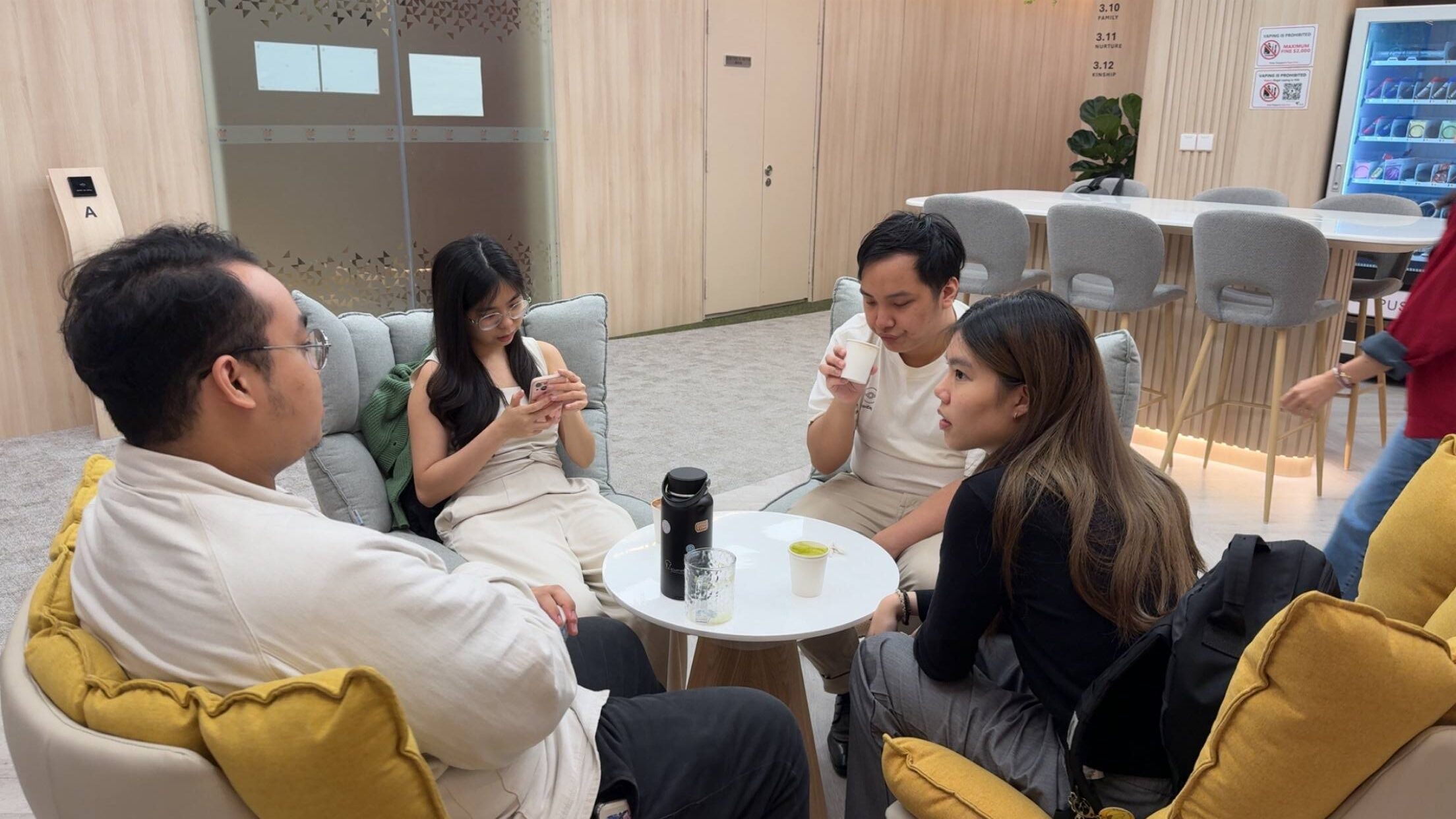
Our iterative design process was grounded in real user research and co-creation with parents, educators, and government stakeholders.
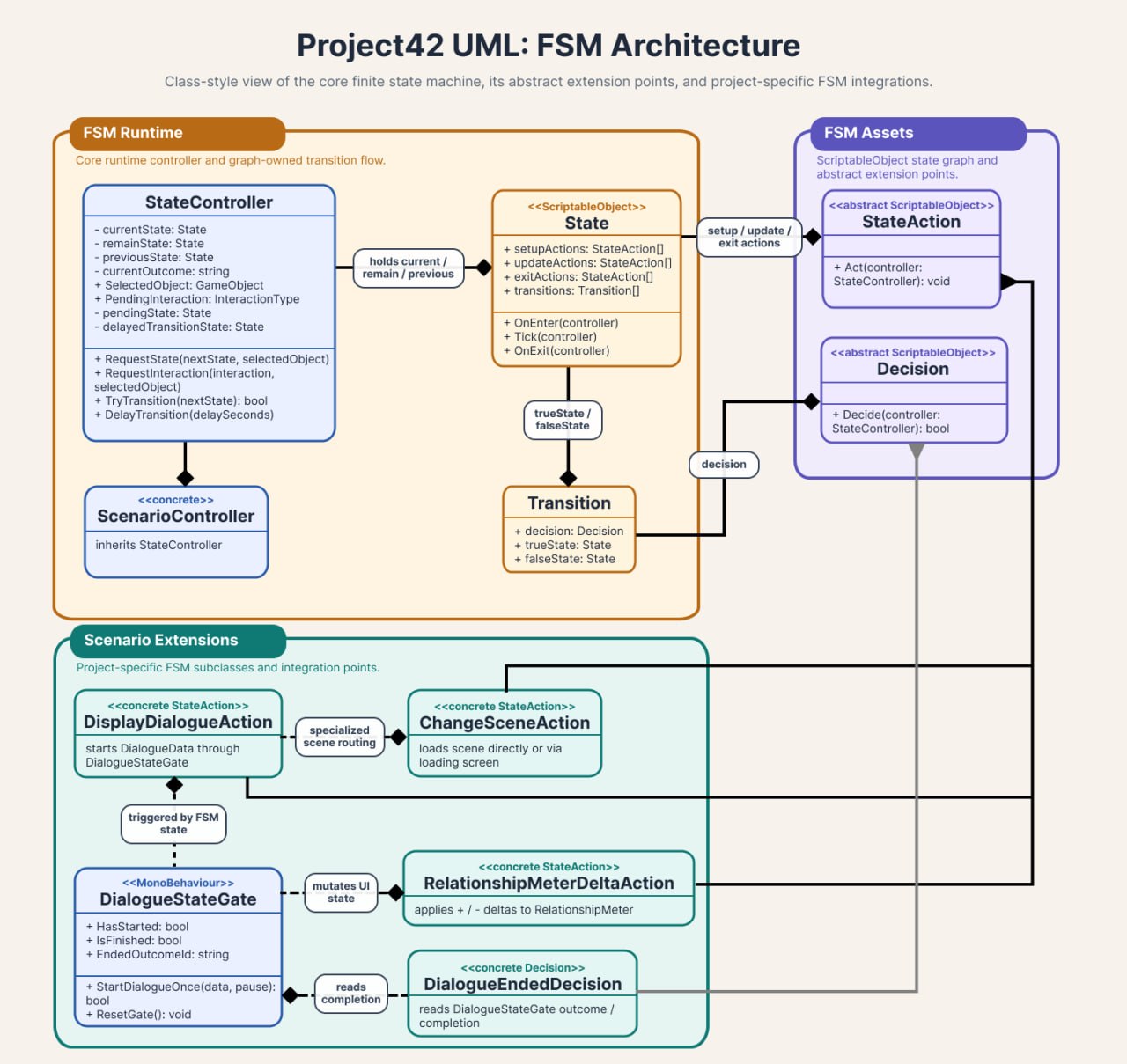
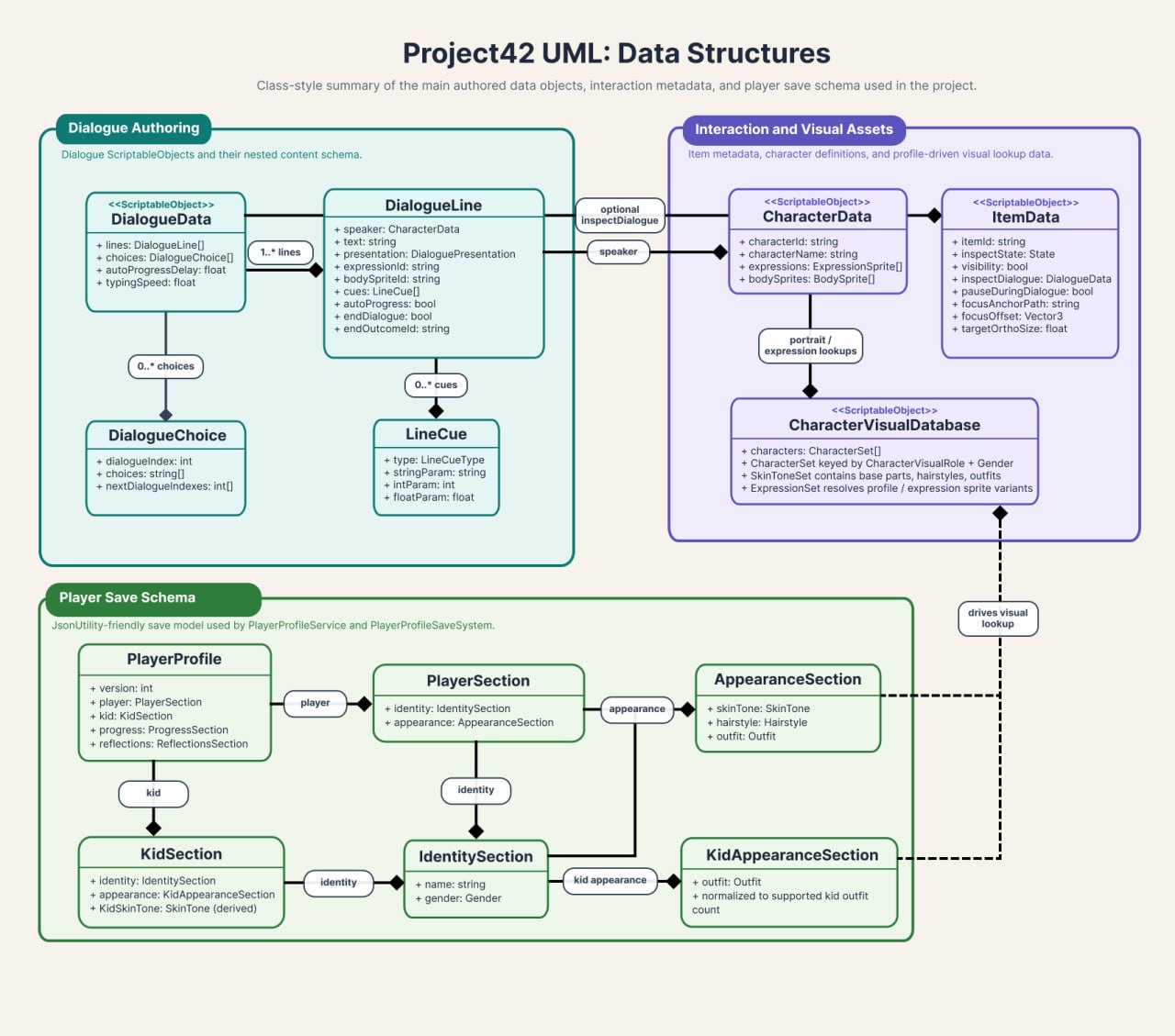
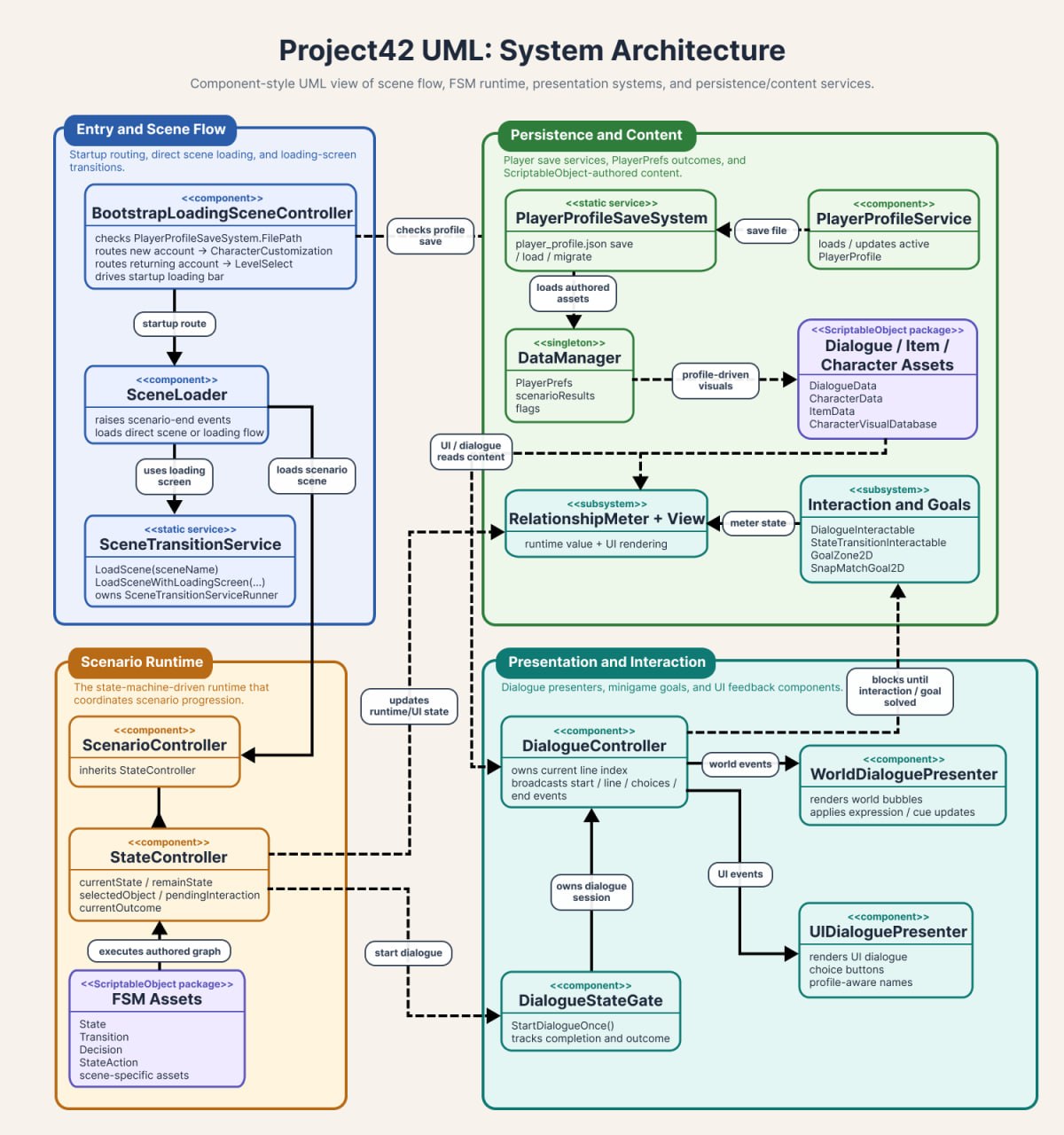
TECHNICAL ARCHITECTURE
ACKNOWLEDGEMENTS
We would like to express our sincere gratitude to Professor Debbie Ding for her exceptional mentorship throughout this capstone project. Her expertise, guidance, and unwavering support were instrumental in shaping both our work and our growth as designers.
We also thank Professor Massimiliano Colla and Professor Yow Wei Quin for their valuable support and feedback, which helped refine our ideas and improve our prototype.
We are deeply grateful to our Industry Mentor, Mr. Koh Chee Wee, for his dedication, weekly guidance, and invaluable logistical and research support, which greatly enriched our project.
Our appreciation also goes to the Family For Life Educators, especially Ms Kristine Neo, for their practical insights that grounded our work, and to Mr Dominic Quah for his guidance in strengthening our communication and presentation.
We acknowledge the support of the SUTD Capstone Programme for funding participant incentives, and we sincerely thank all our research participants for their time and contributions, which were essential to this project.
At Singapore University of Technology and Design (SUTD), we believe that the power of design roots from the understanding of human experiences and needs, to create for innovation that enhances and transforms the way we live. This is why we develop a multi-disciplinary curriculum delivered v ia a hands-on, collaborative learning pedagogy and environment that concludes in a Capstone project.
The Capstone project is a collaboration between companies and senior-year students. Students of different majors come together to work in teams and contribute their technology and design expertise to solve real-world challenges faced by companies. The Capstone project will culminate with a design showcase, unveiling the innovative solutions from the graduating cohort.
The Capstone Design Showcase is held annually to celebrate the success of our graduating students and their enthralling multi-disciplinary projects they have developed.