
How might we design a practical plastic recycling process that transforms DSV Contract Logistics’ warehouse logistics waste into recycled material streams, and upcycle them into modular, multi-functional furniture that delivers long-term value to DSV Contract Logisitcs staff according to their needs, extending the lifespan of the disposed plastic and reducing landfill impact?
Massimiliano Colla
Susan Wong
Dominic Edmund Kim San Quah
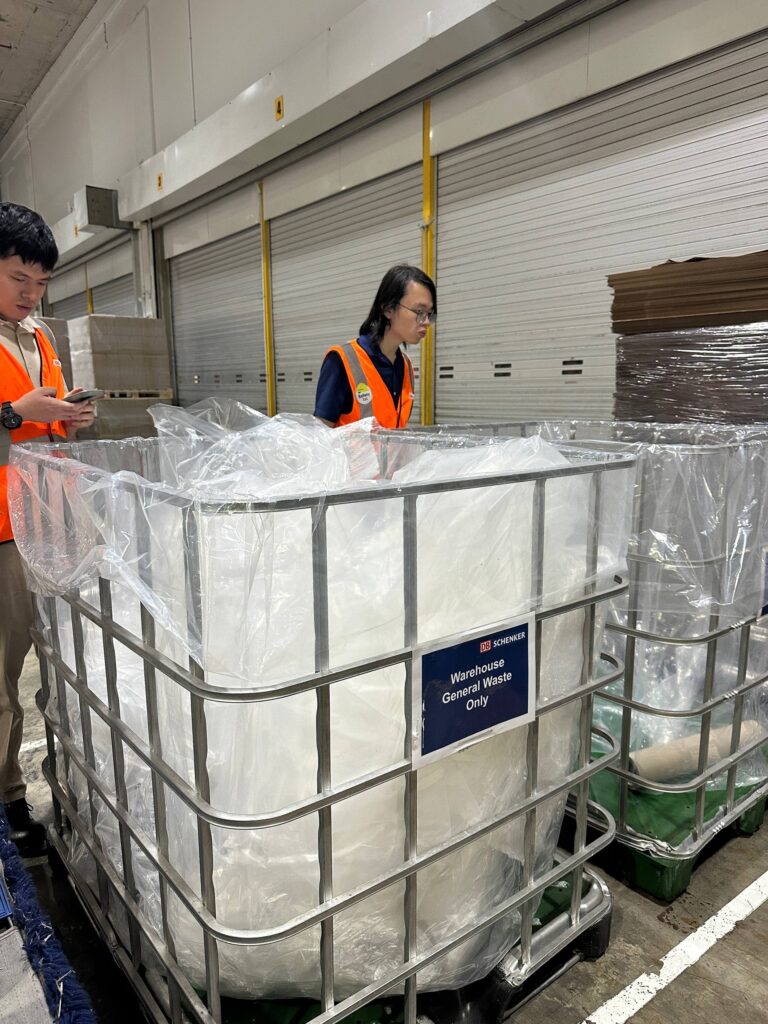
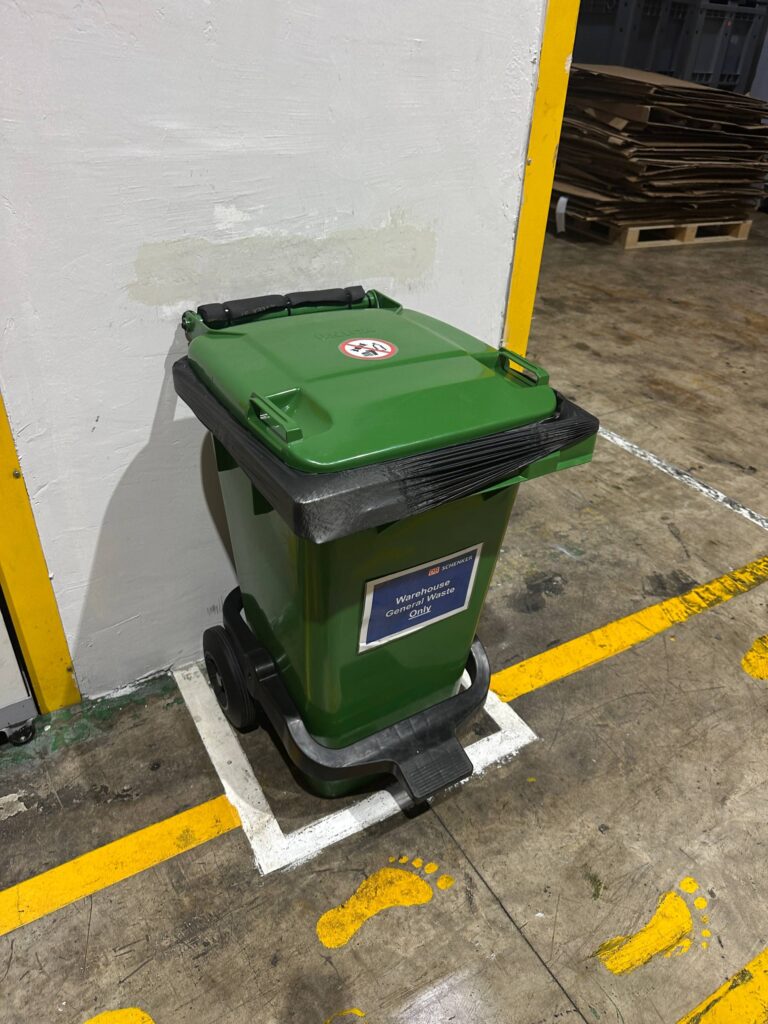
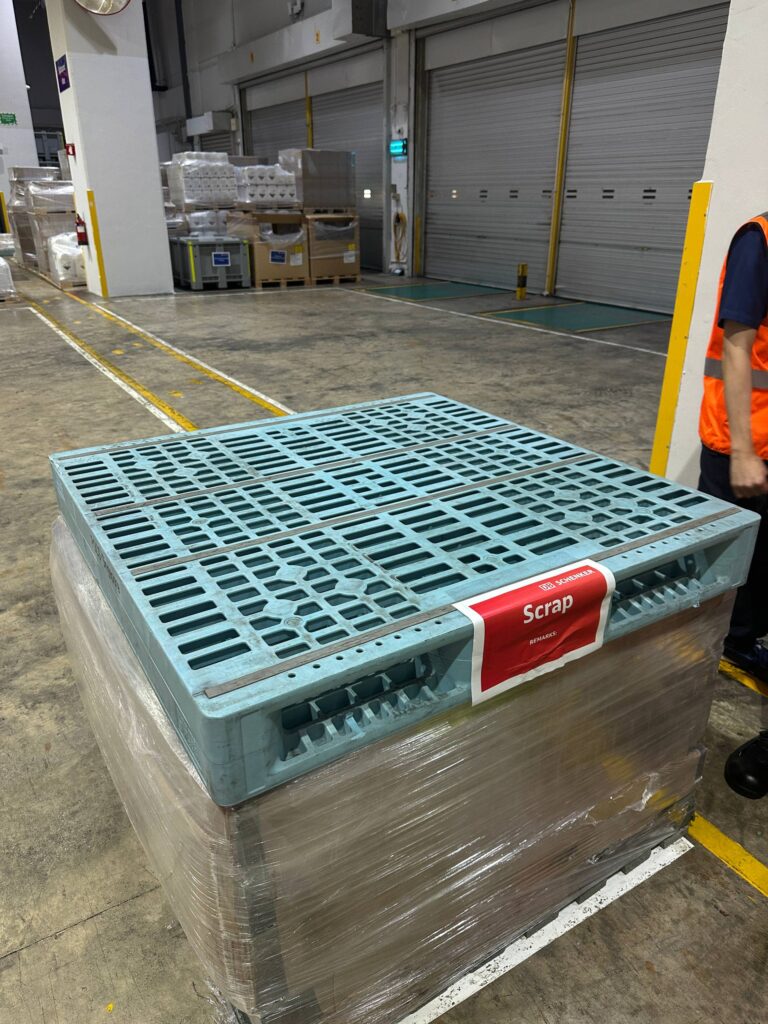
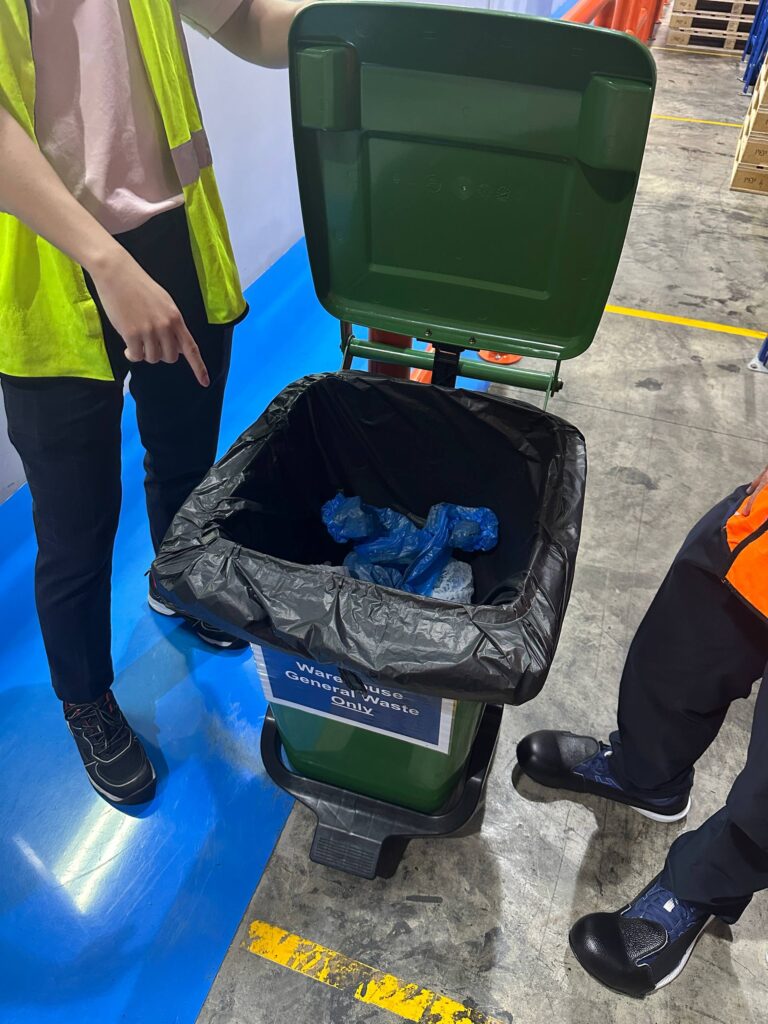
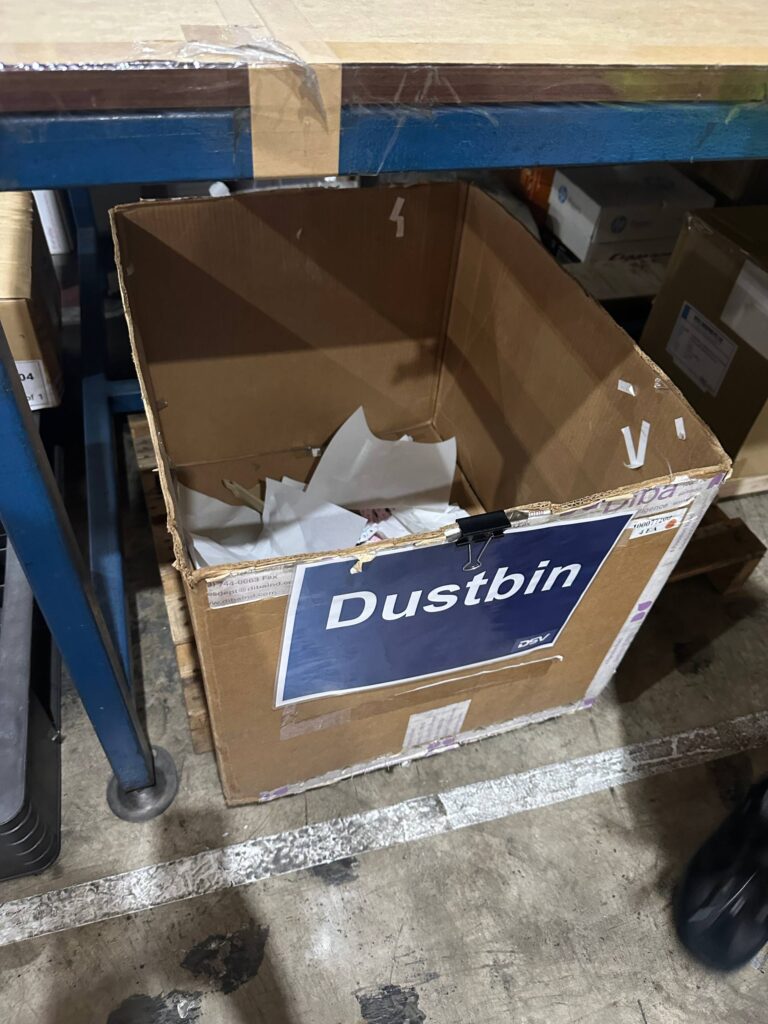
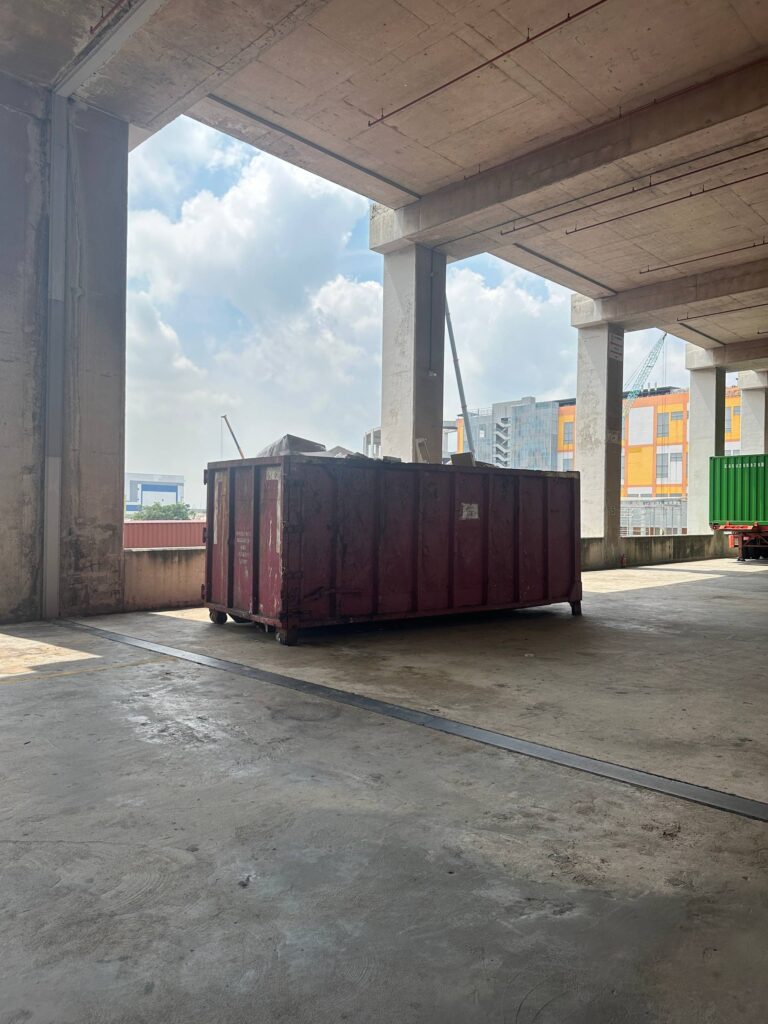
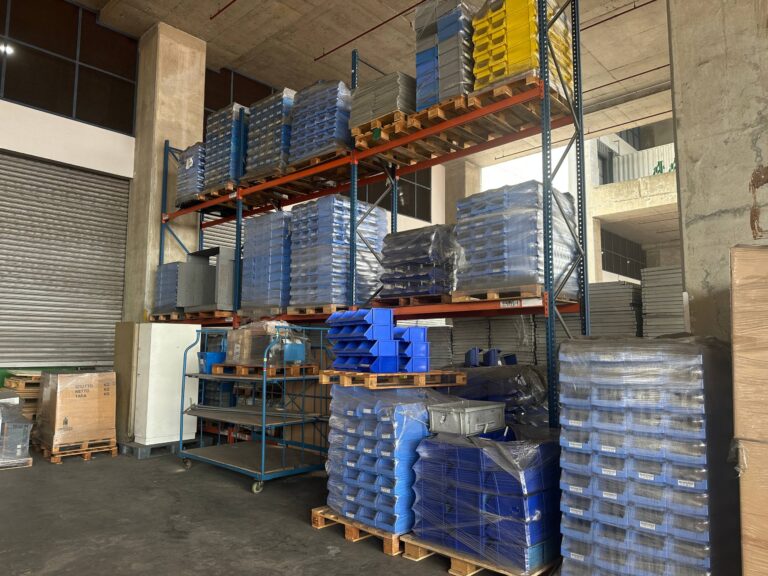
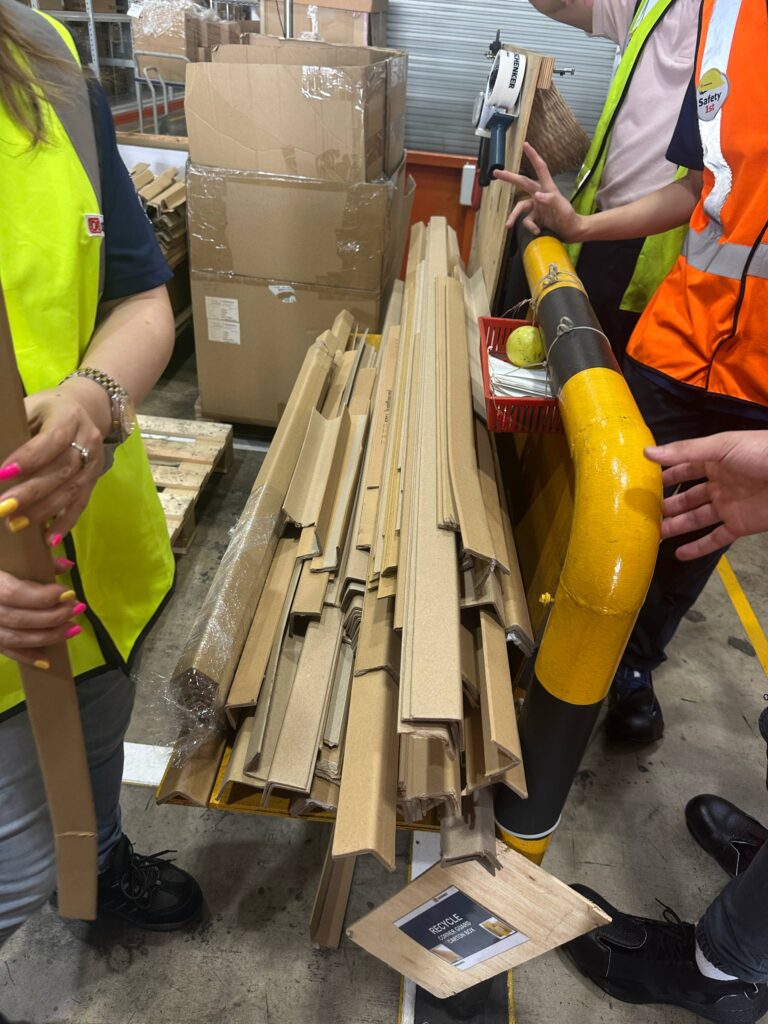
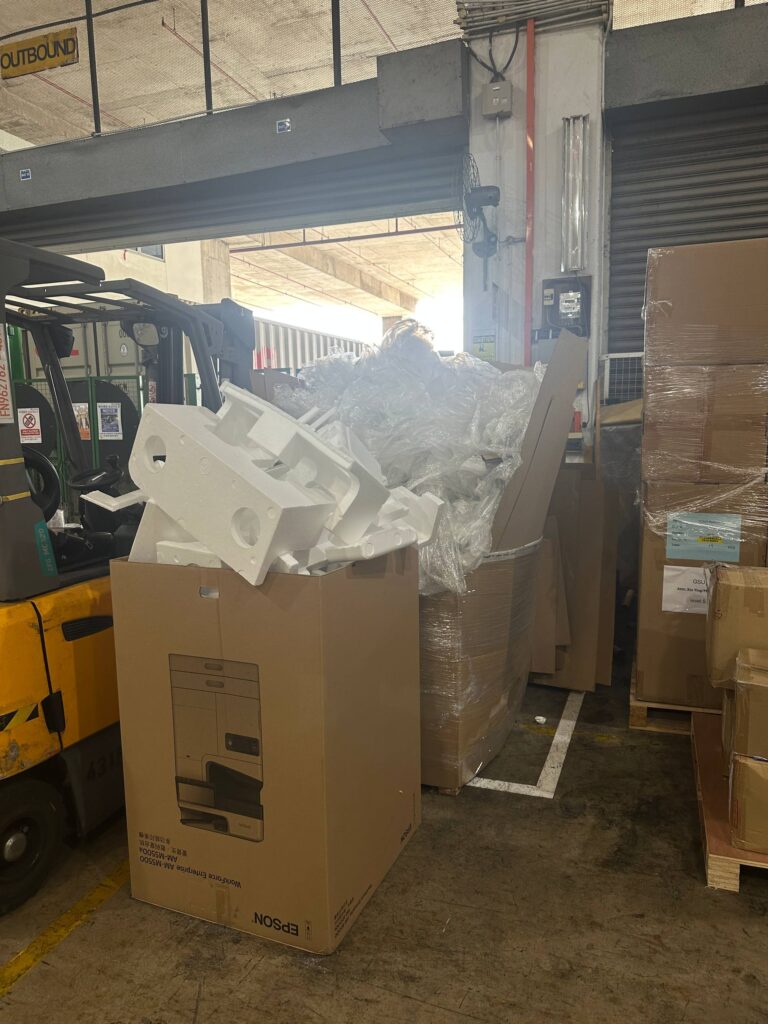
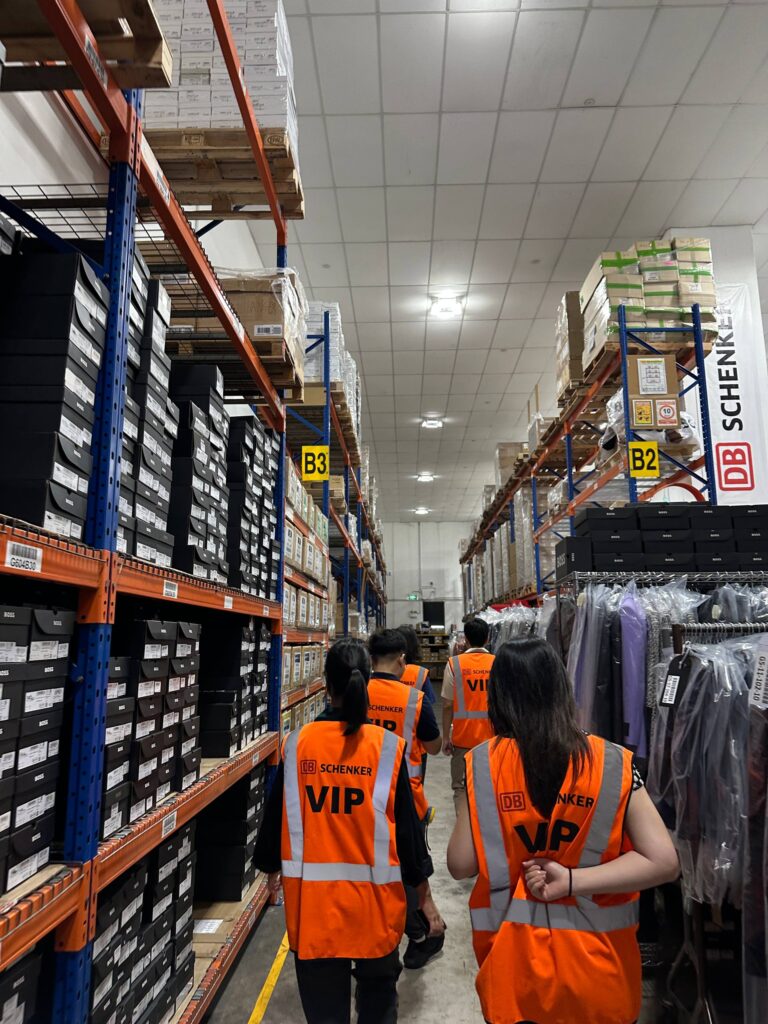
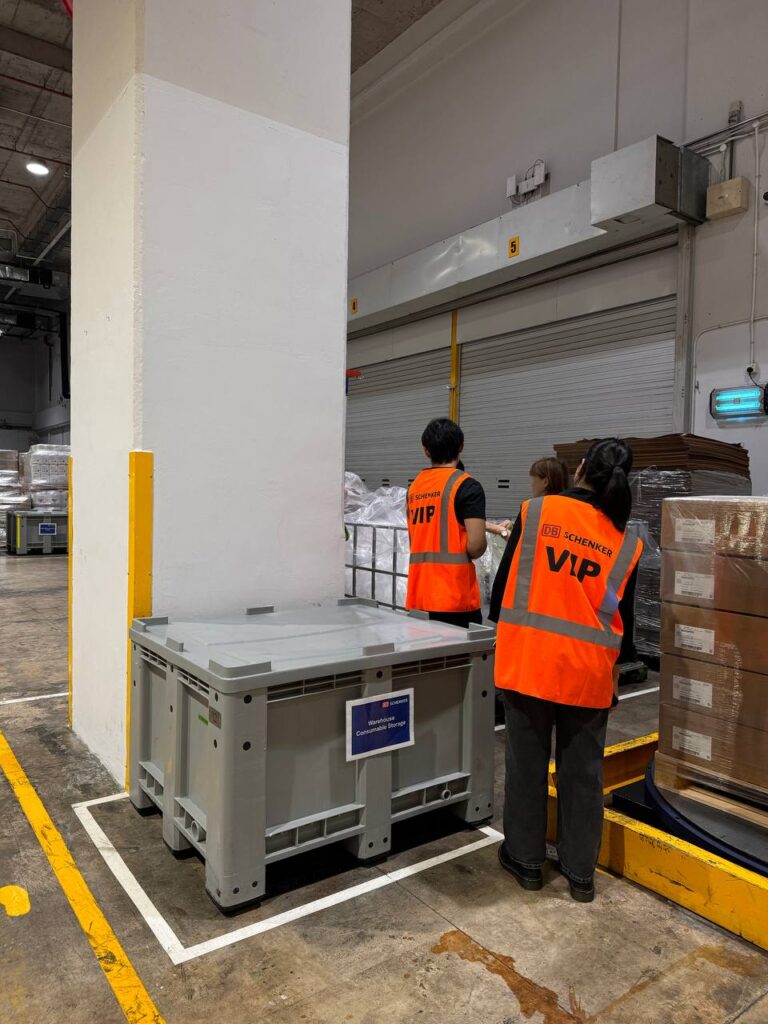
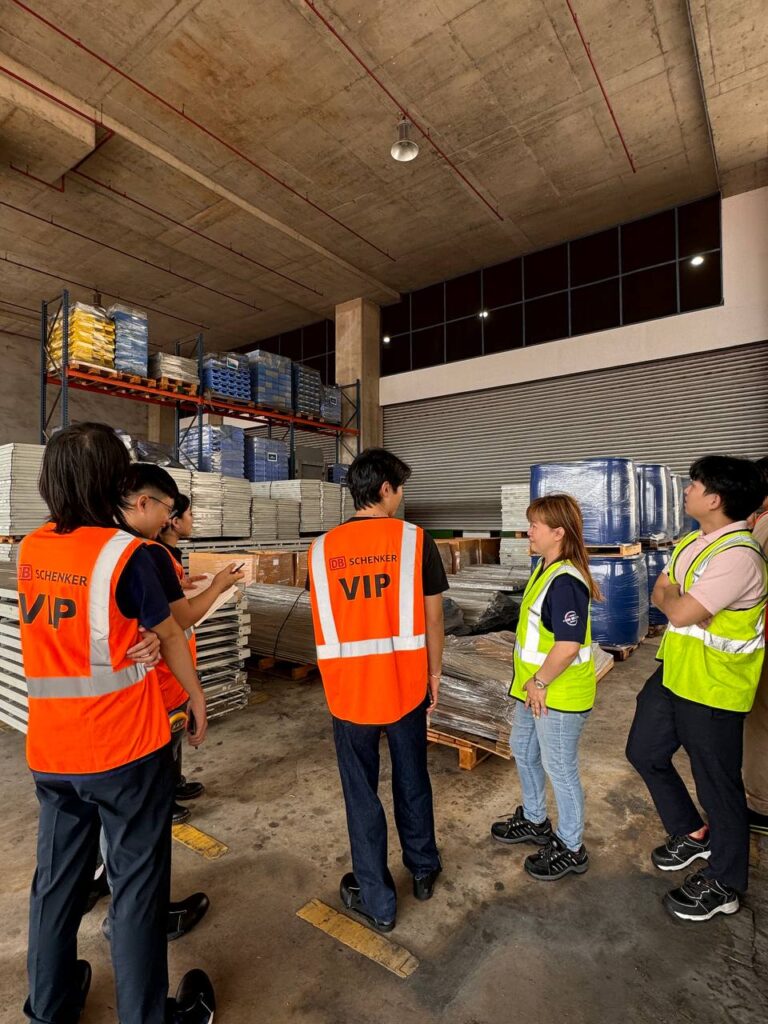
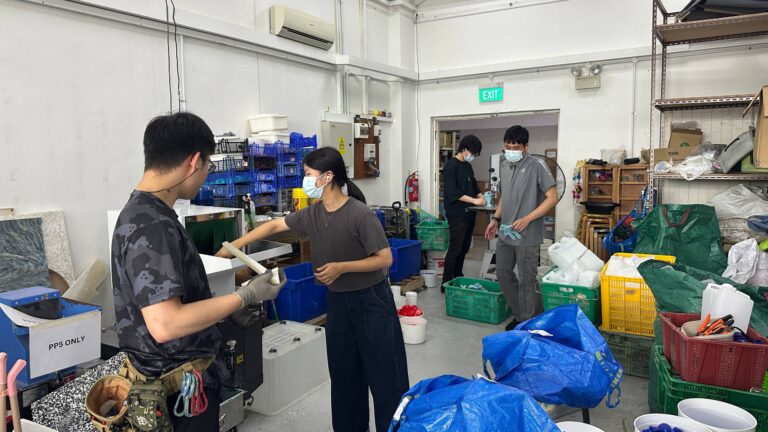
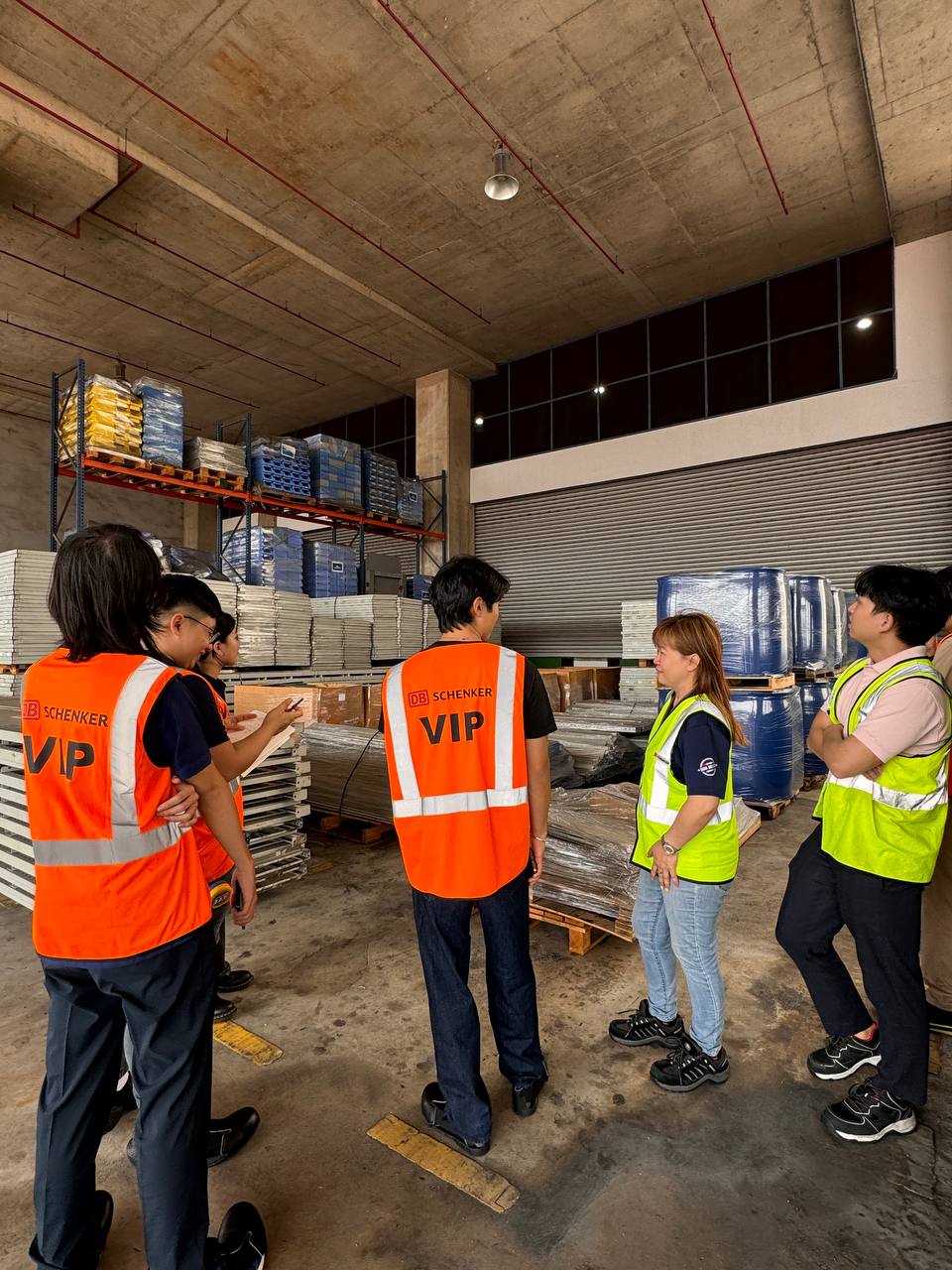
At the start of our project, we were invited to DSV Global Transport and Logistics warehouse to observe and learn more on their day-to-day operations.Â
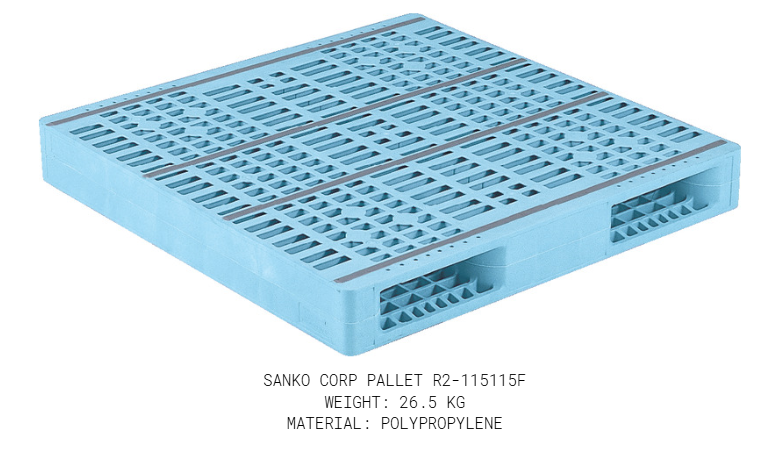
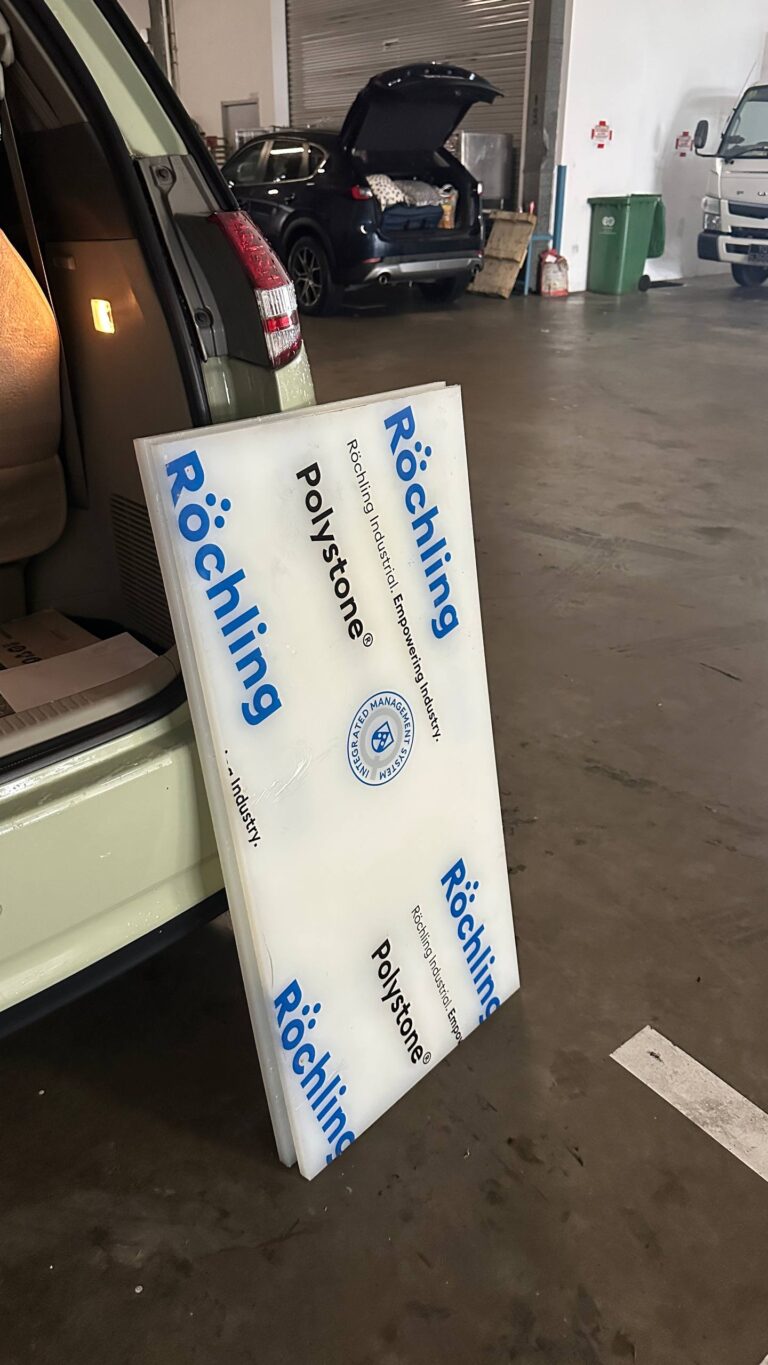
The following table shows the type of materials that were available as well as their primary Polymer Type that was discovered during our site visit
| Waste Object | Primary Polymer Type |
| Plastic Pallet | Low-foam Polypropylene (PP) |
| Plastic Shelf | High-Density Polyethylene (HDPE) |
| Shrink Wrap/Top Sheet | Low-Density Polyethylene (LDPE) |
| Gloves | Nitrile Butadiene Rubber (NBR) |
| Hair Nets | Synthetic Polymers |
| Shoe Covers | Chlorinated Polyethylene (CPE) |
Upon further research on their properties and considering various factors such as Processing/Recycling Methods, Costs of processing, Sustainability Value, Material Volume and Quality, we ultimately decided on the PP sheets due to its overall Low Contamination, high volume availability, ease of sorting and processing and its impact on greenhouse gas emissions. This was further reinforced by our group sentiment, where we believed that the material PP was the most appropriate material in creating the furniture required to refurbish the room as requested by DSV
Â
To turn the PP sheets into usable material, it underwent through a physically and time intensive process consisting of Pre-Processing, Plastify-Processing and Finishing.
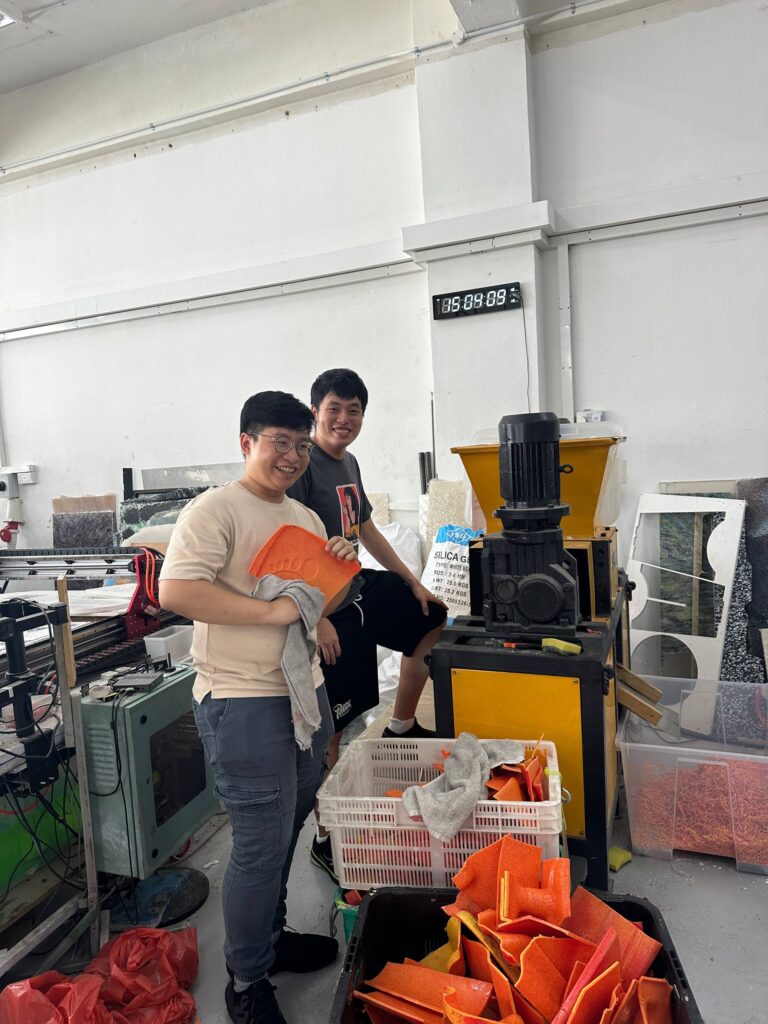
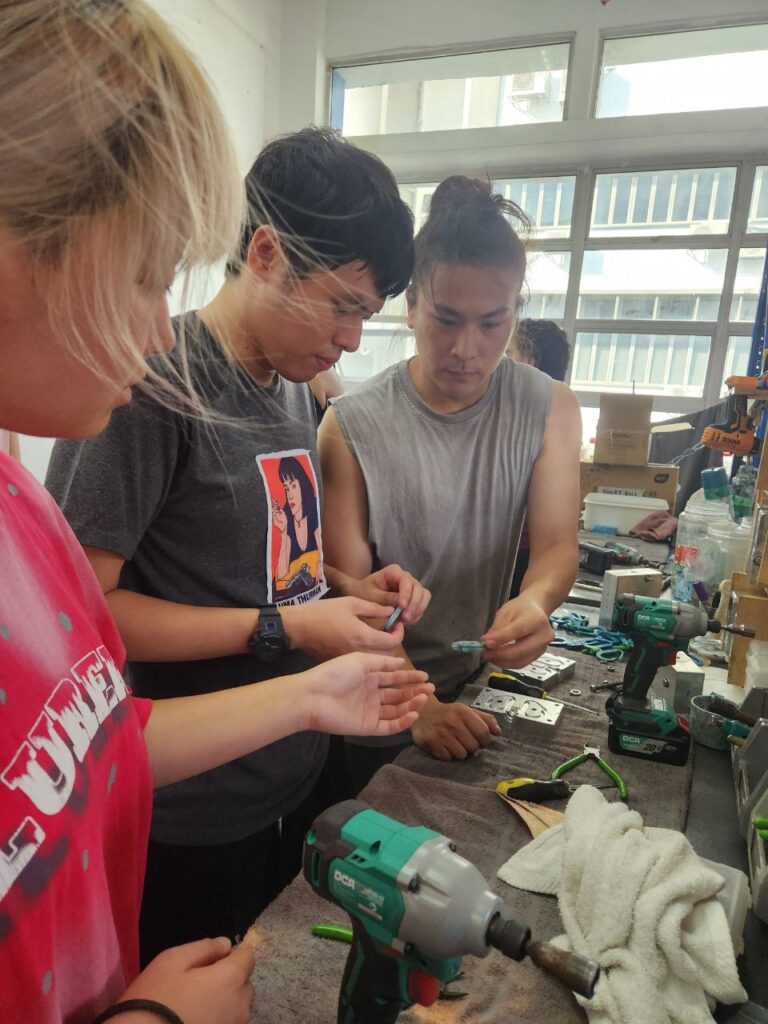
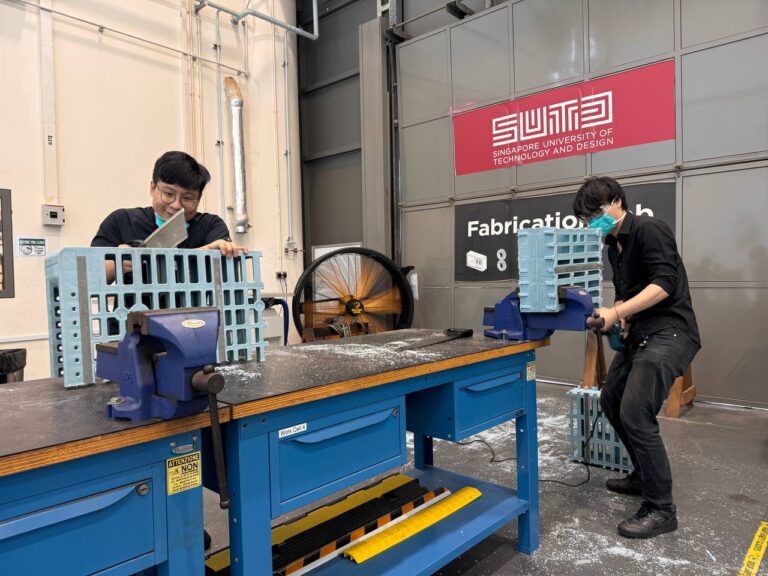
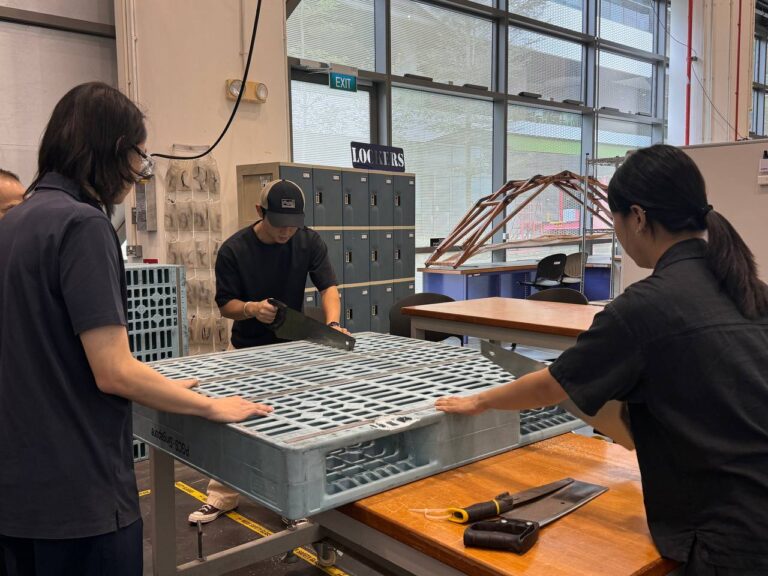
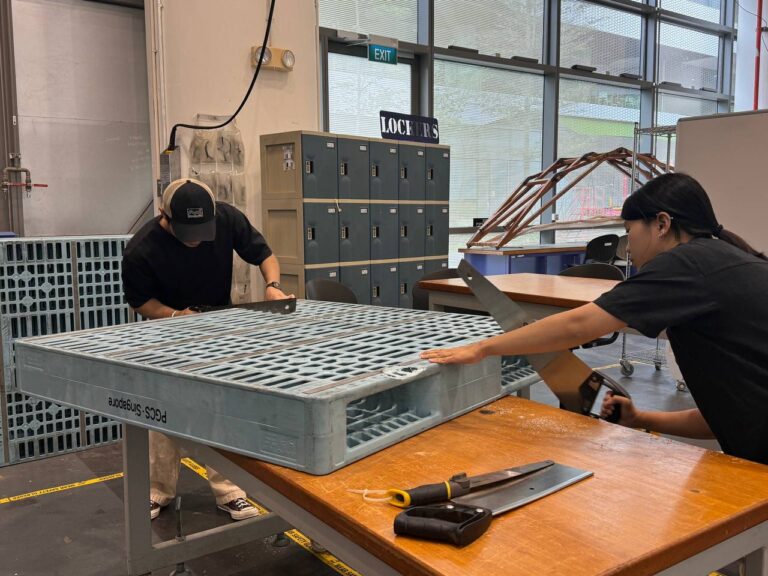
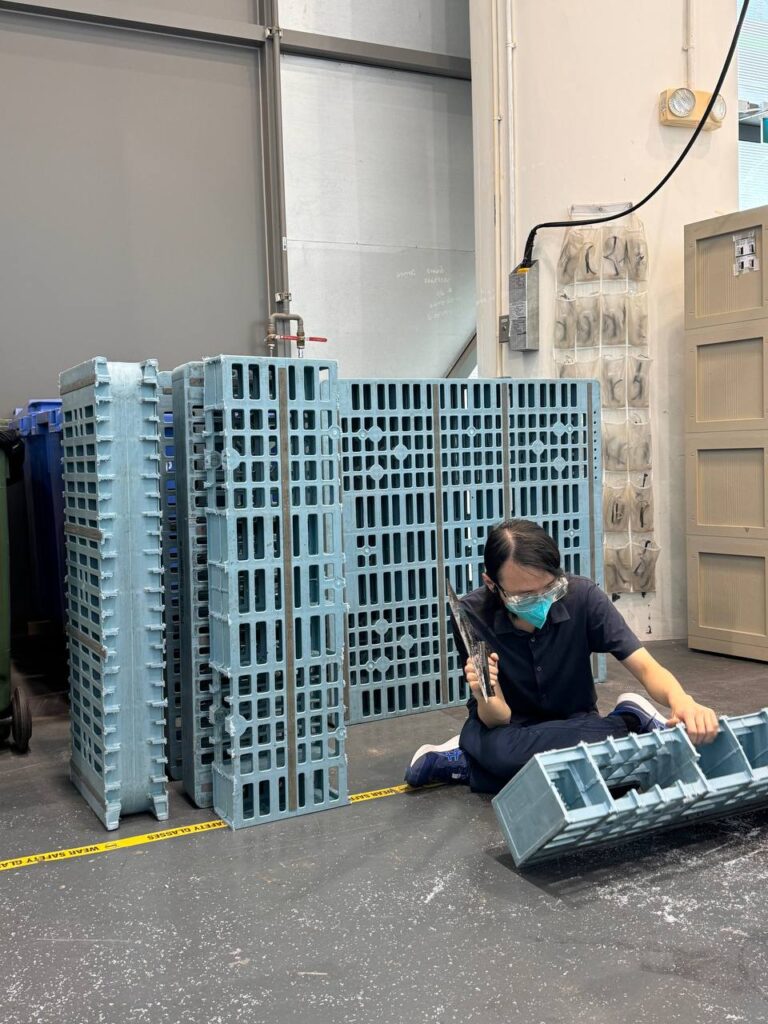
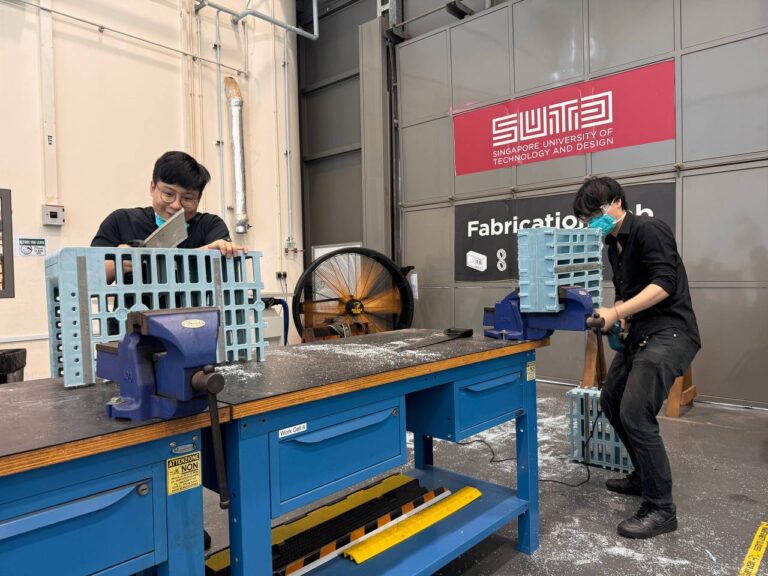
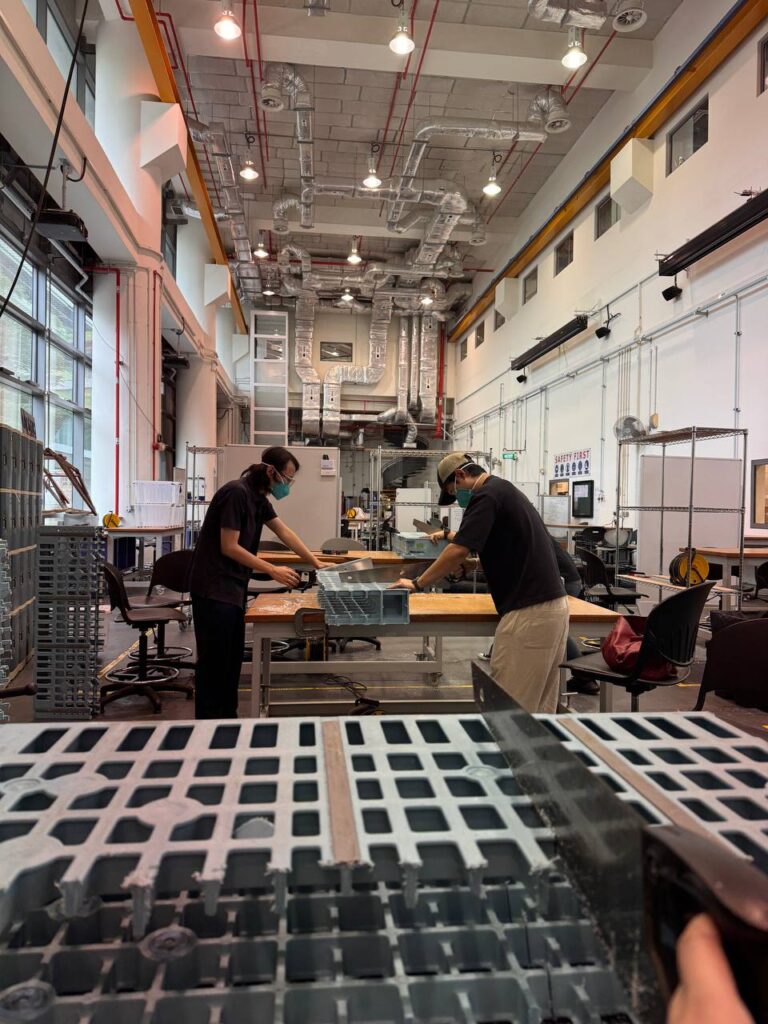
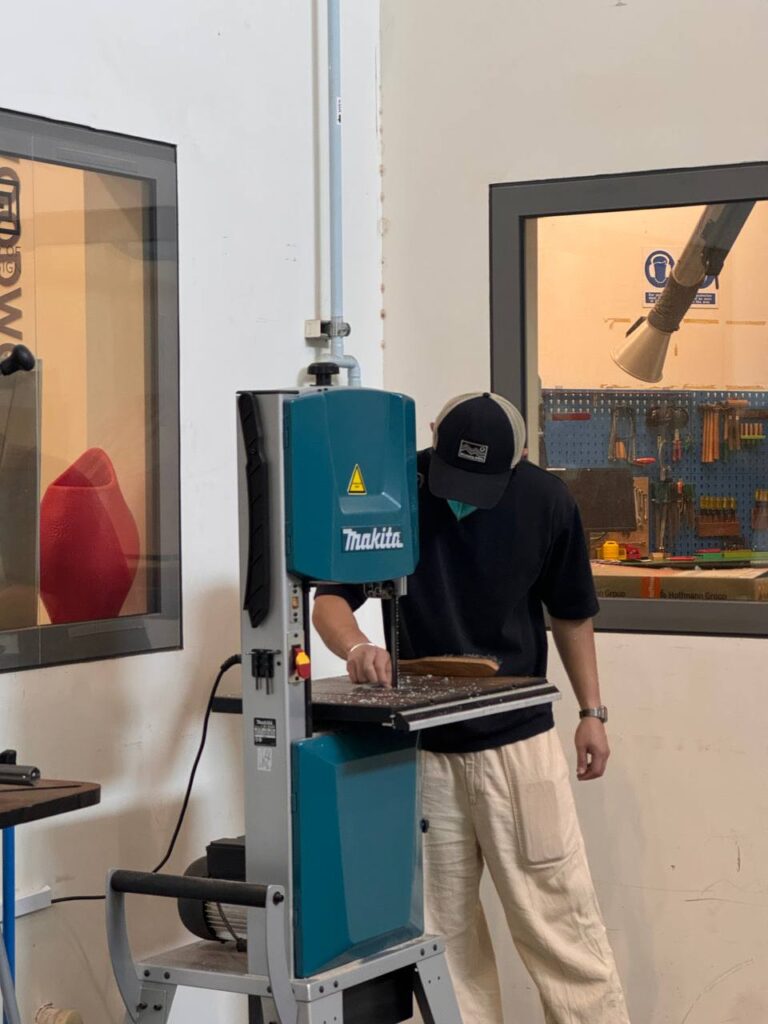
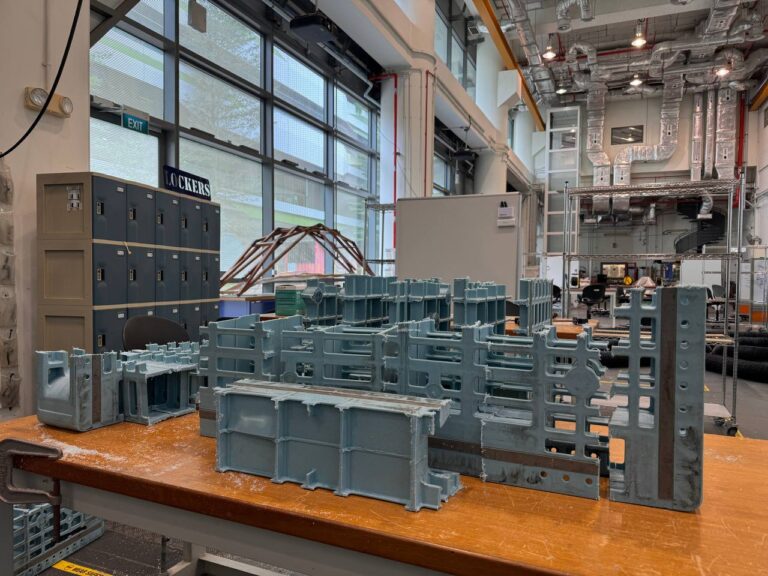
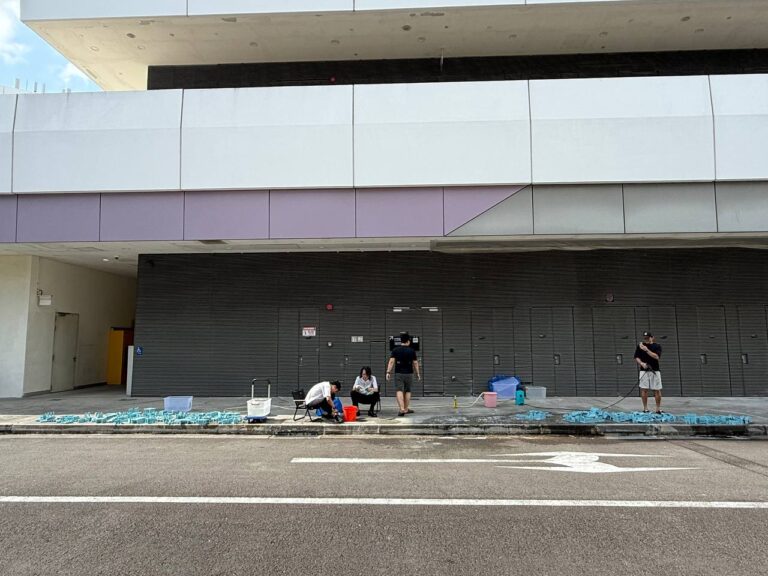
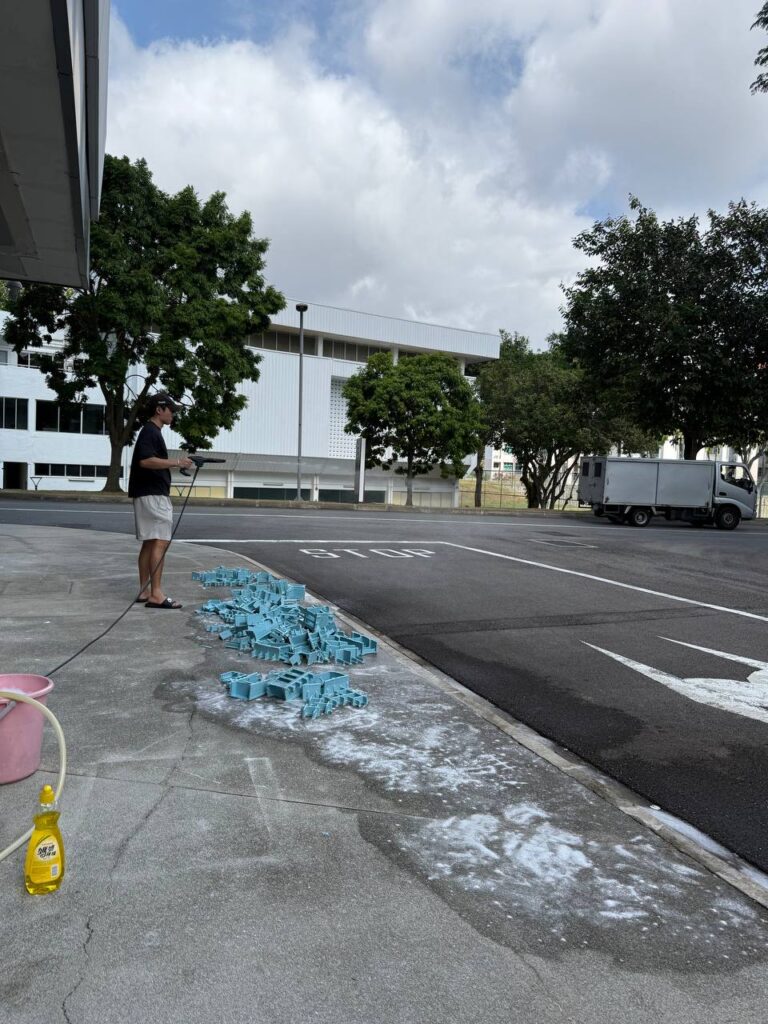
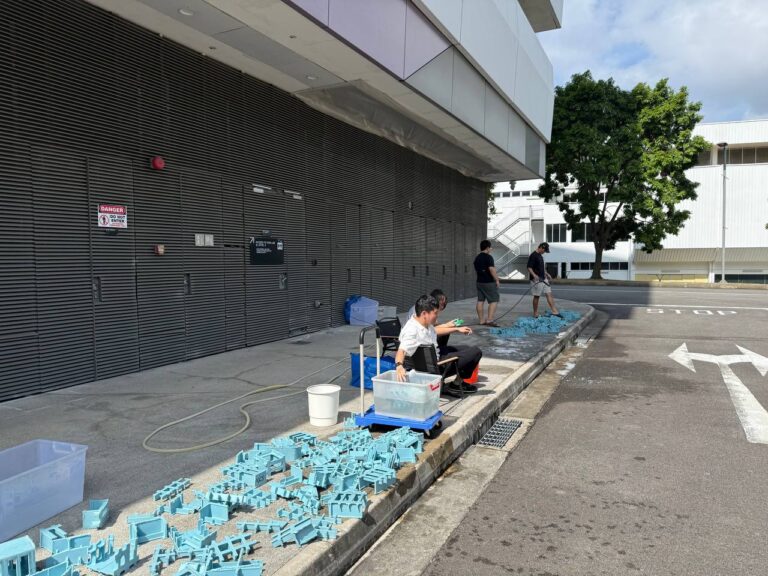
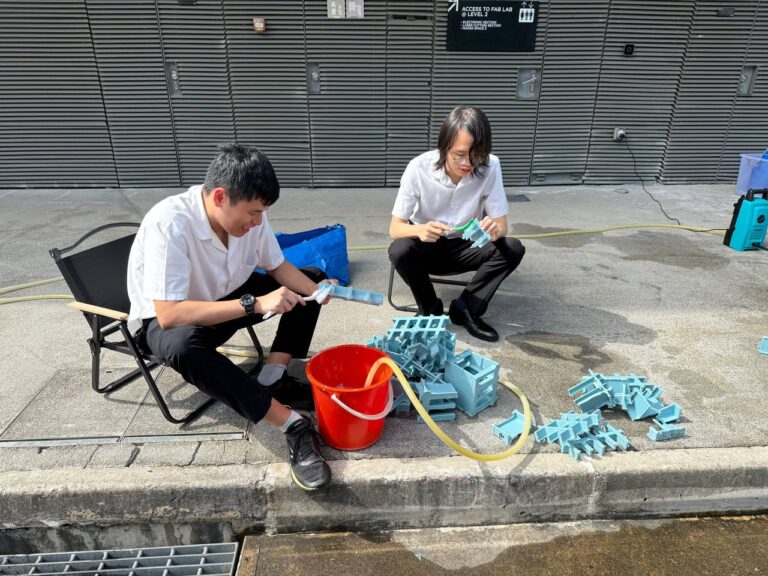
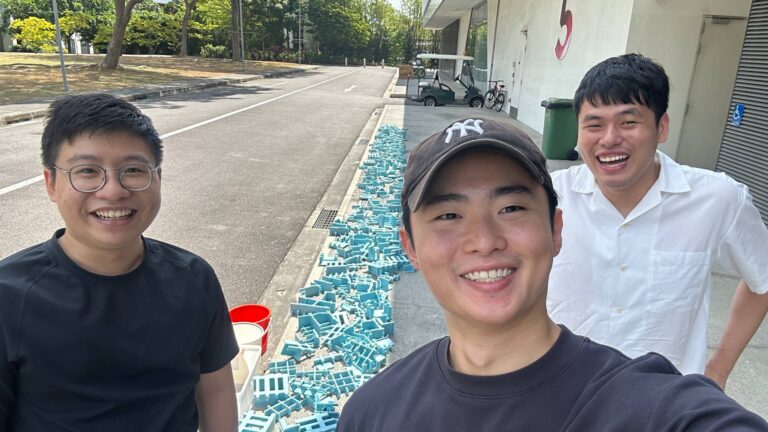
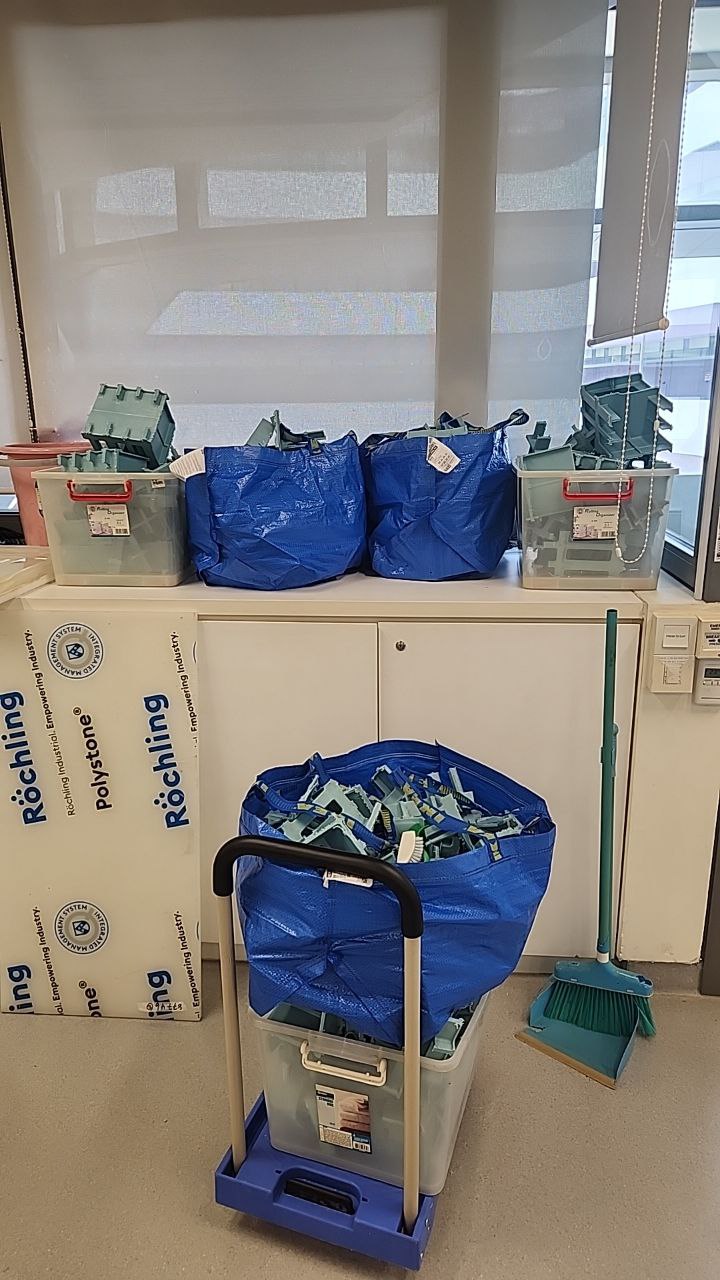
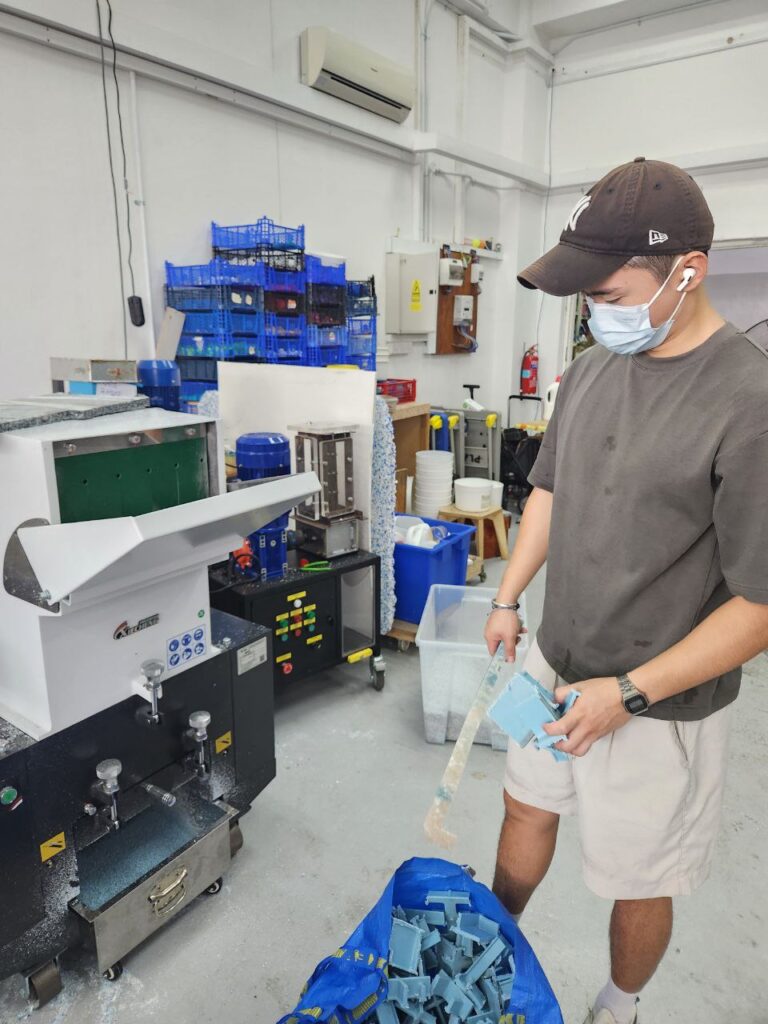
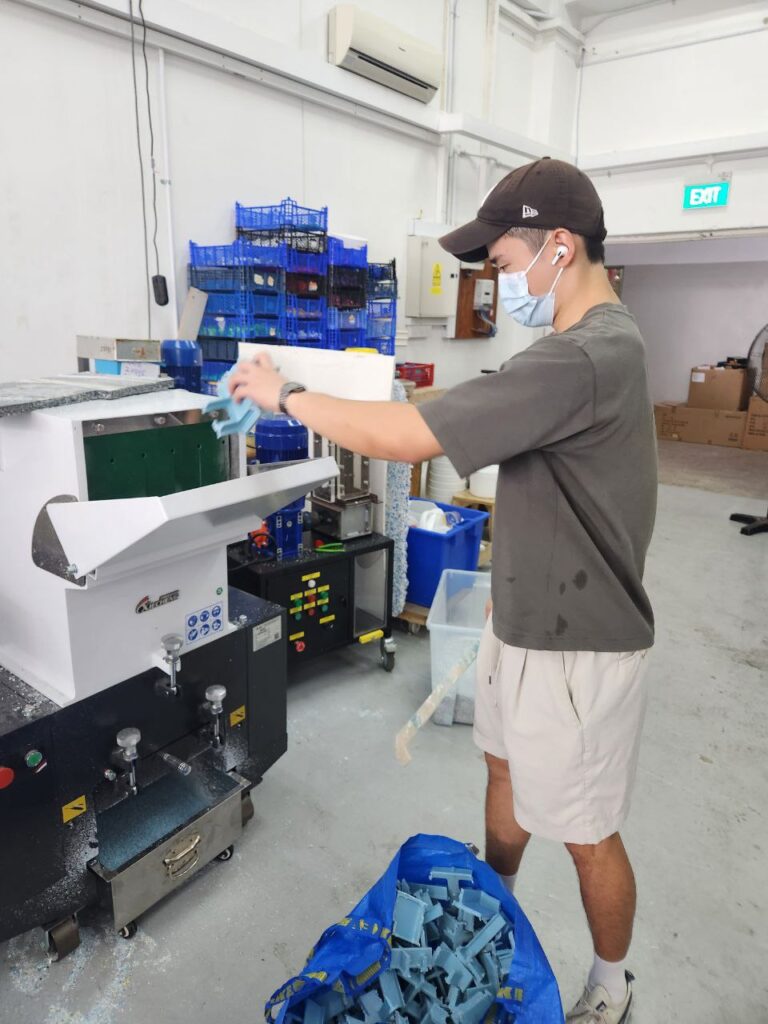
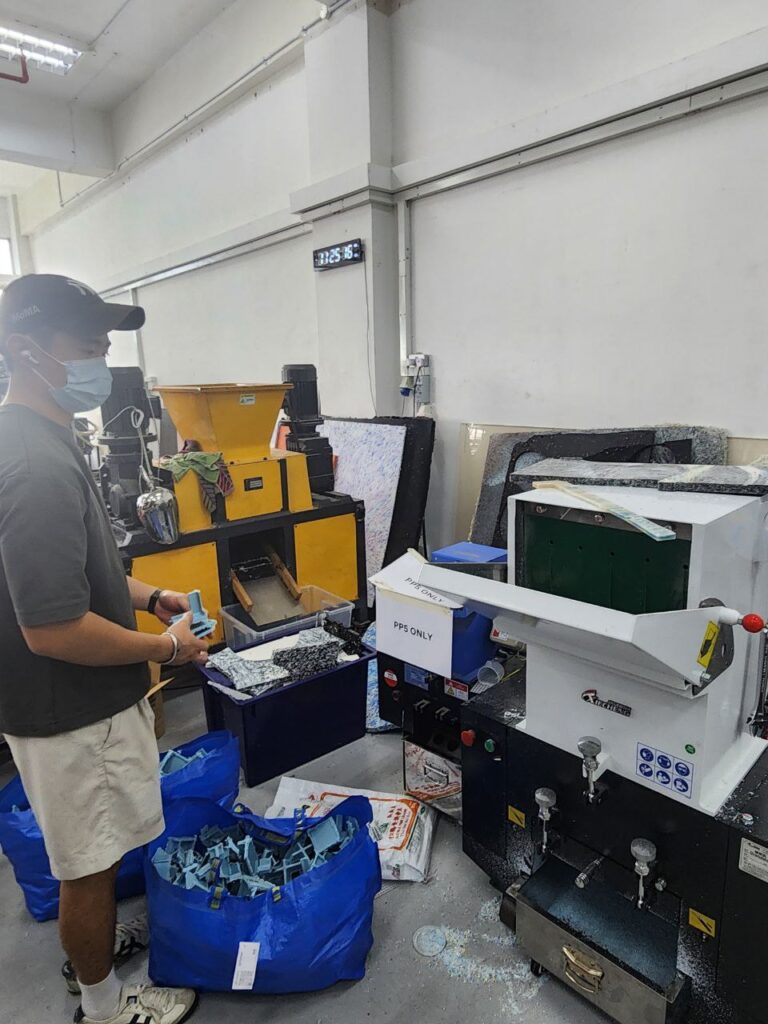
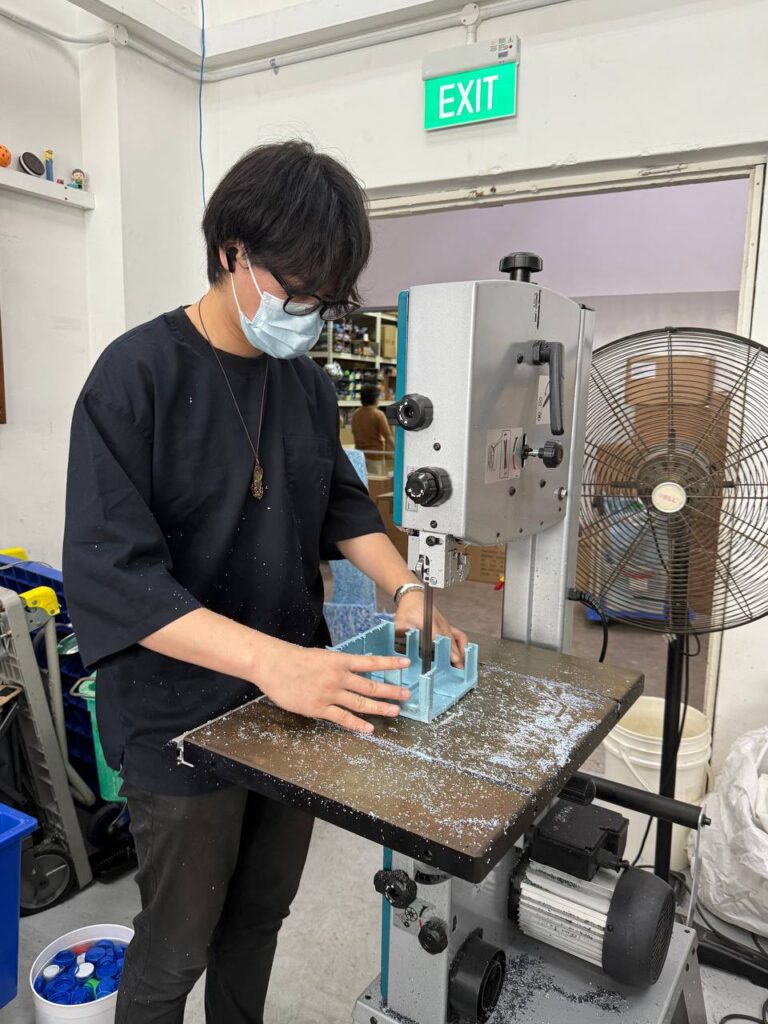
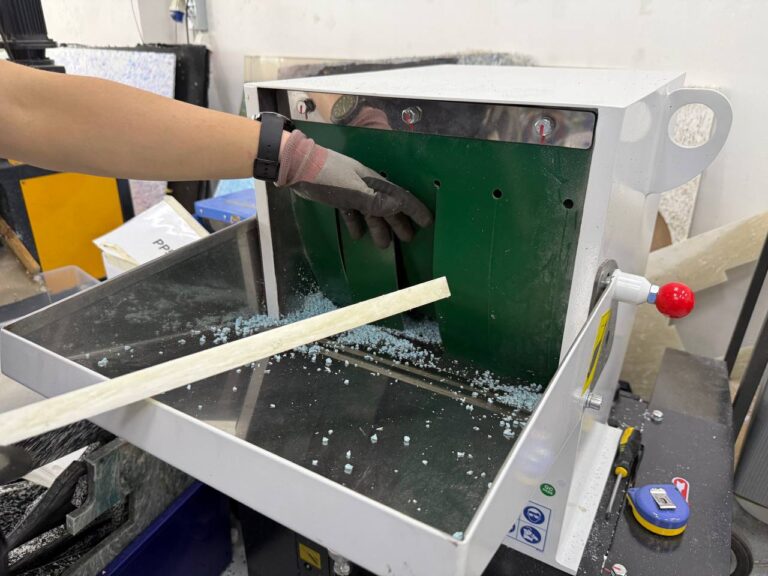
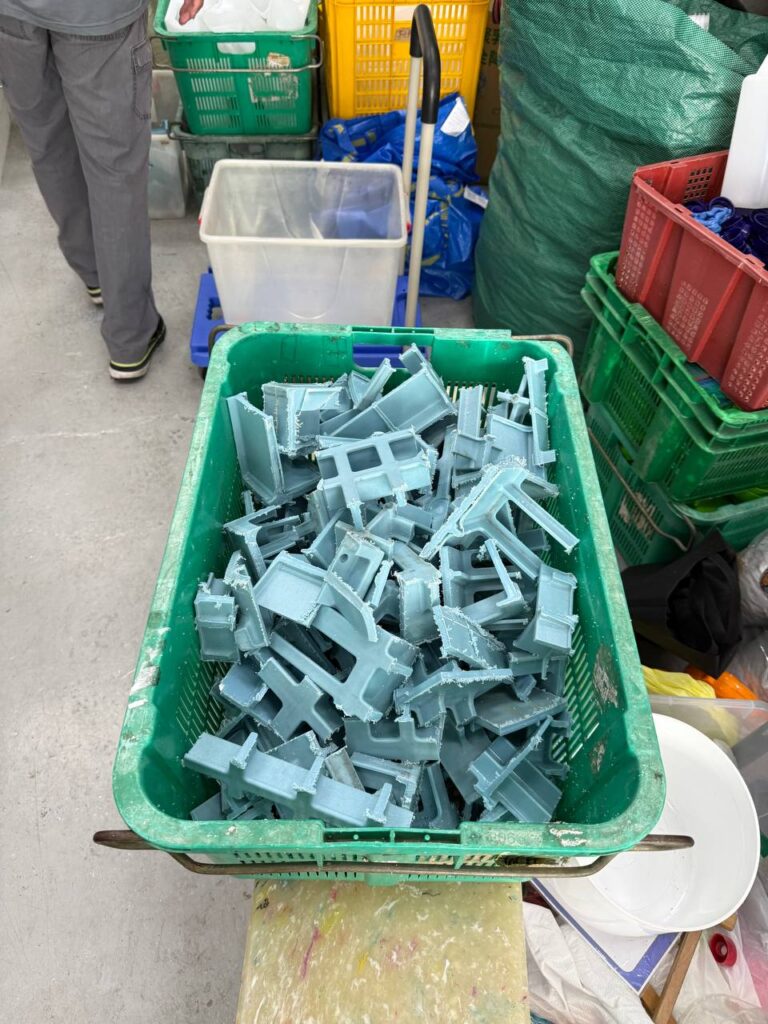
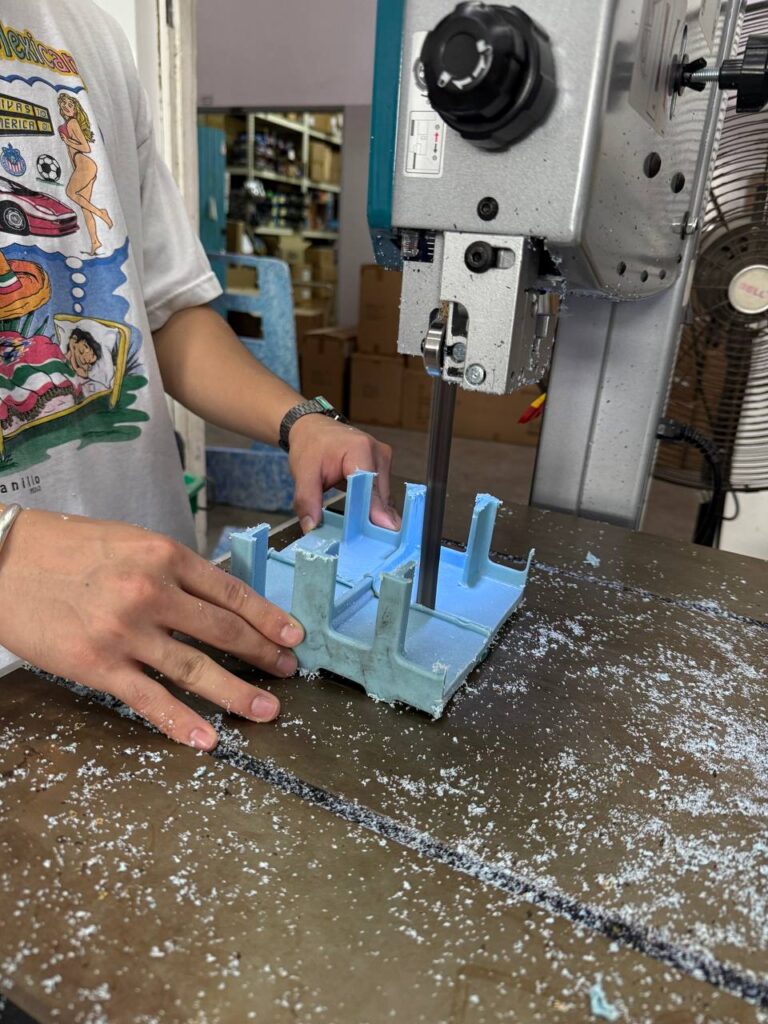
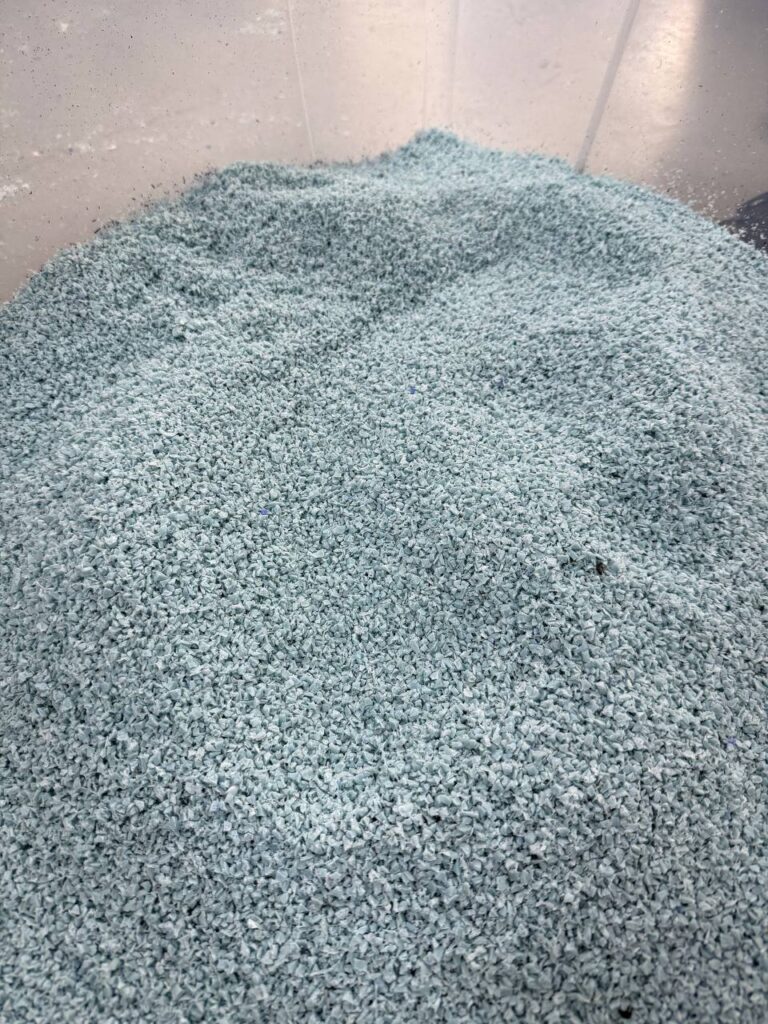
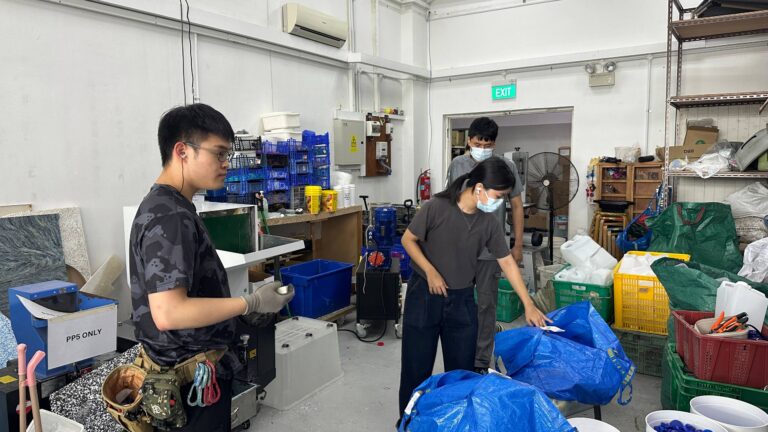
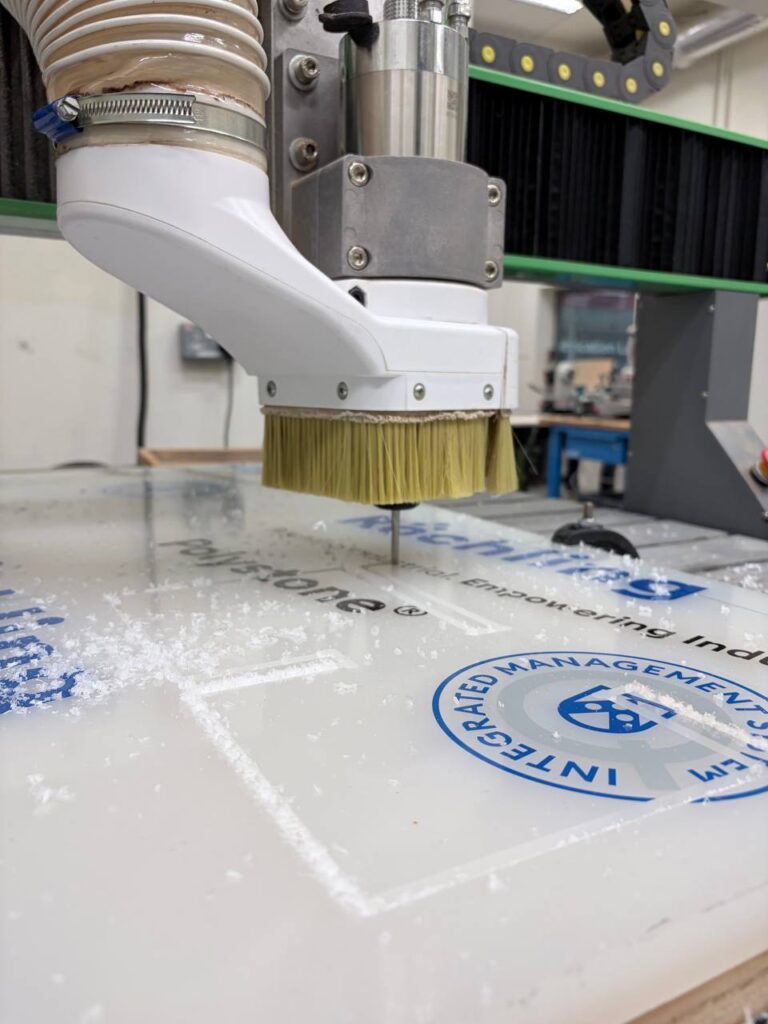
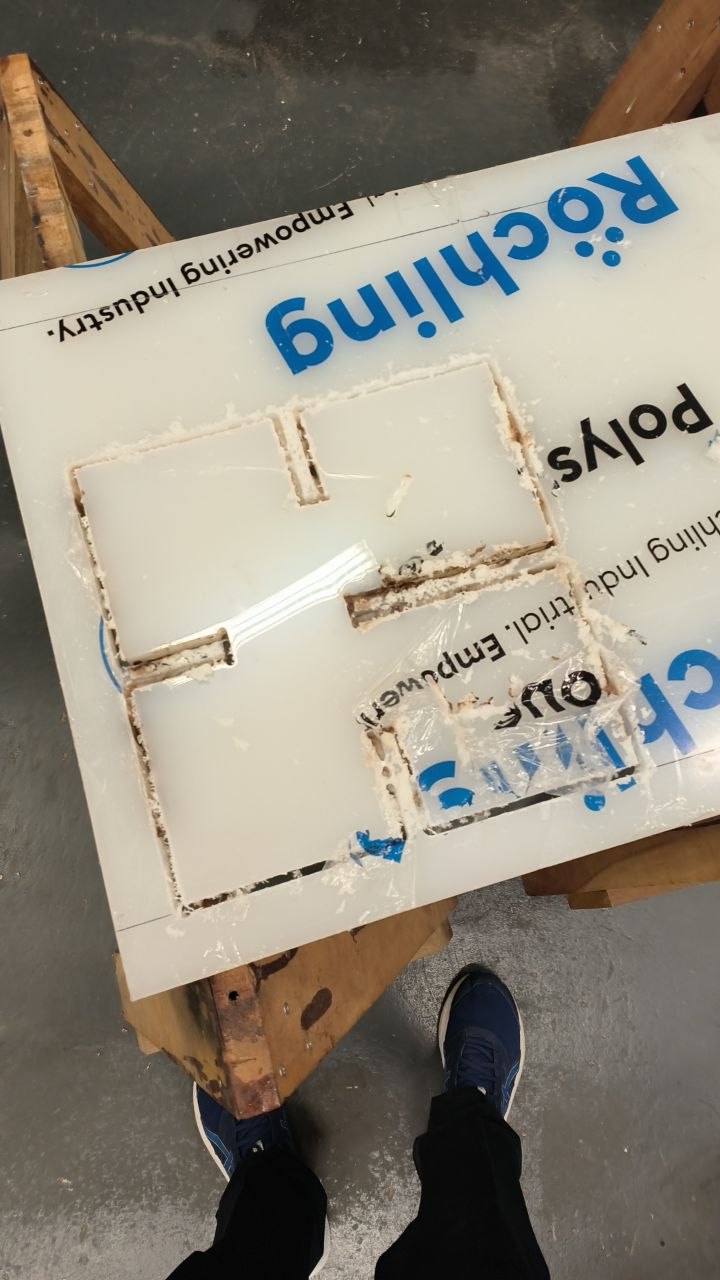
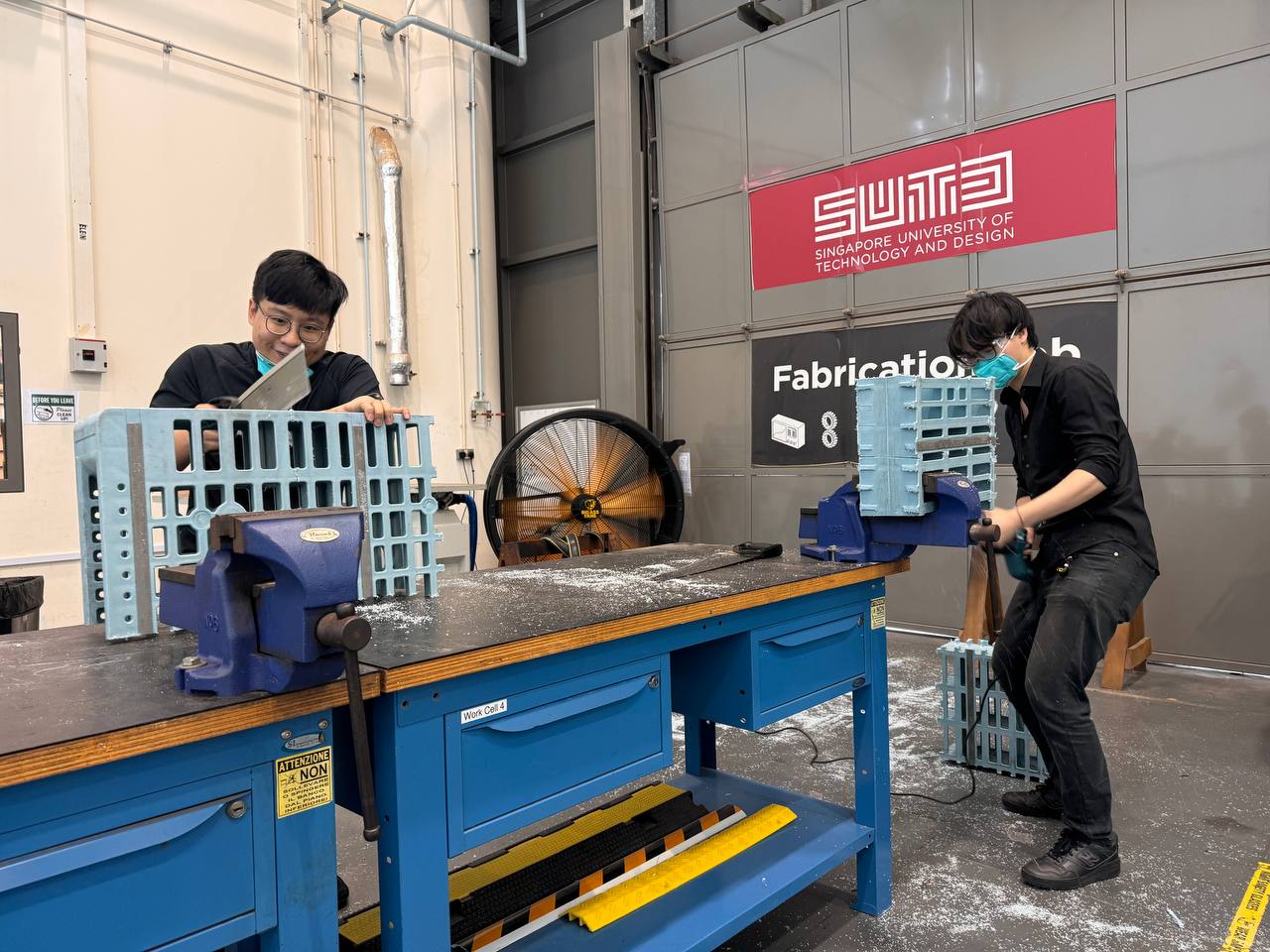
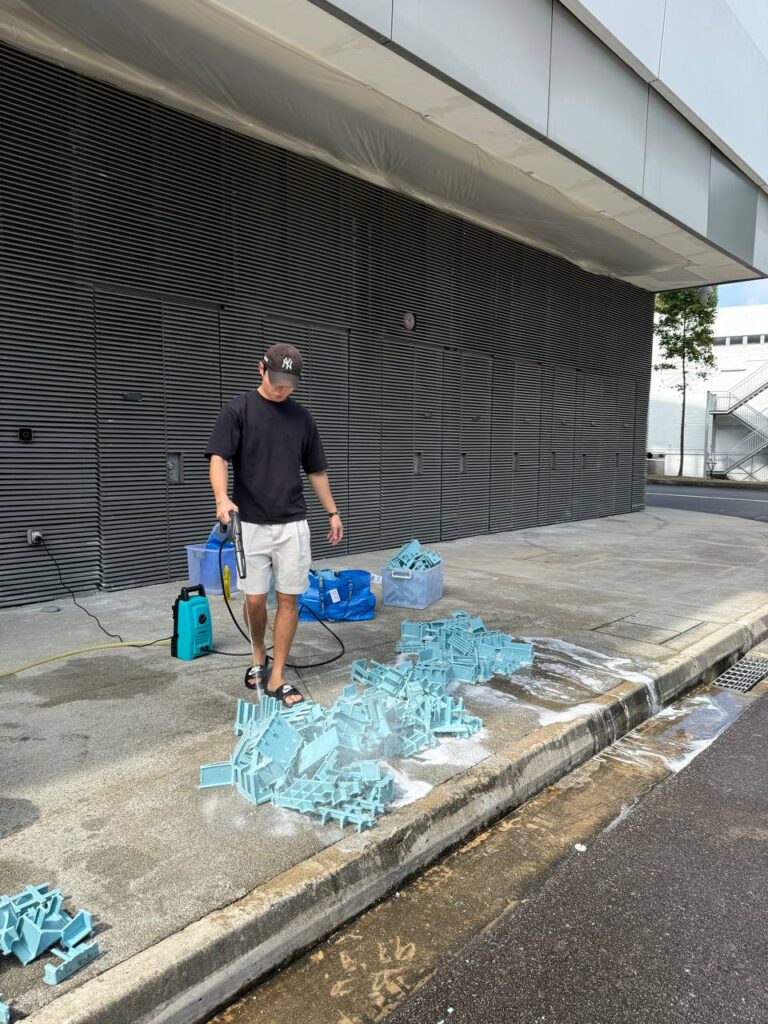
In order for our PP material to fit into the specialised machines in Plastify, we had to cut them into smaller pieces. This was done via circular saws and Bandsaws in the Fablab. Other cutting methods proved to melt and potentially damage the sheets, which was not helpful and dangerous. After obtaining the small plastic chunks, we then had to clean these chunks to remove as much contaminants as possible. Presence of such contaminants might structurally hurt the overall homogeneity and cleanliness of our final end product.
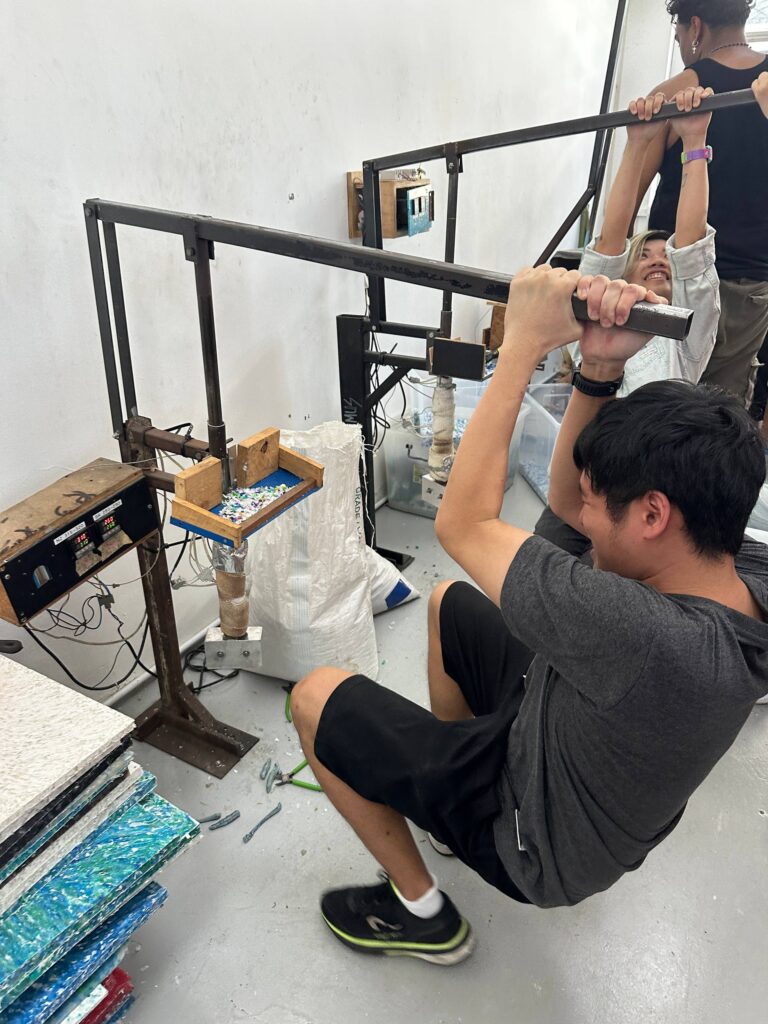
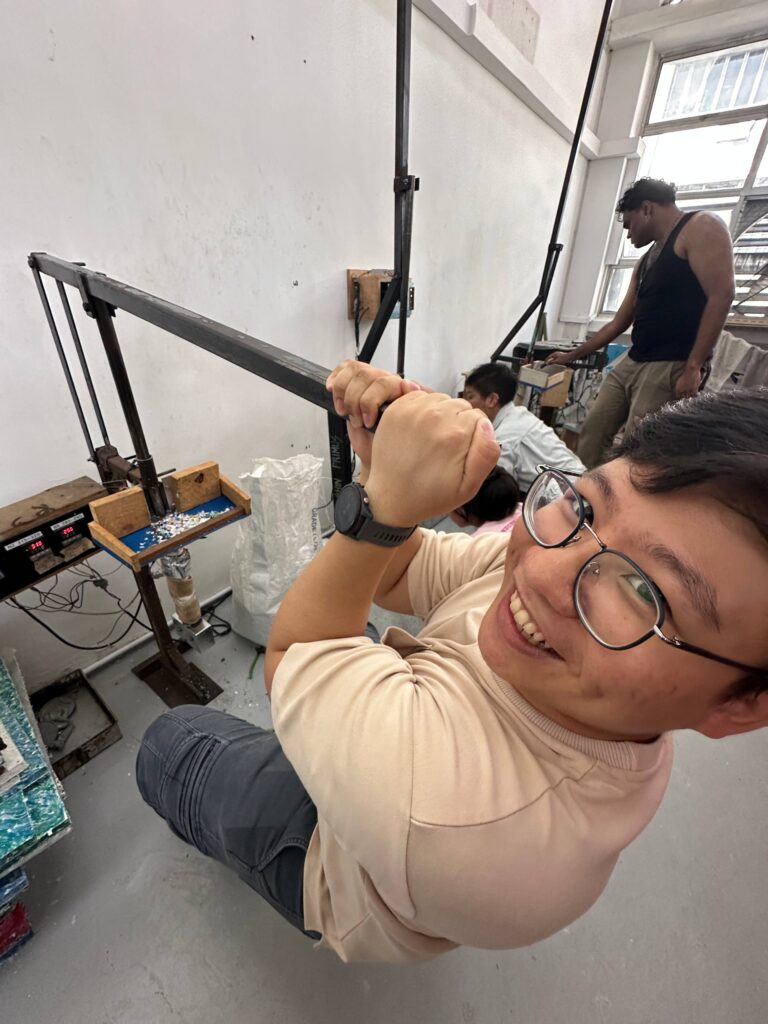
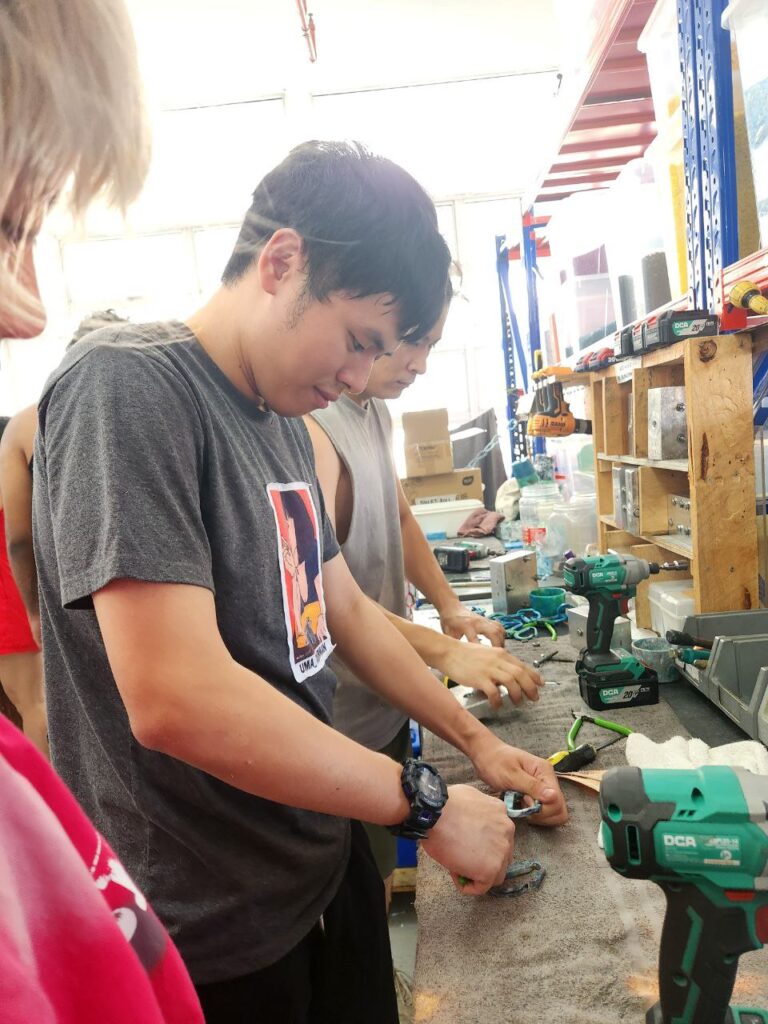
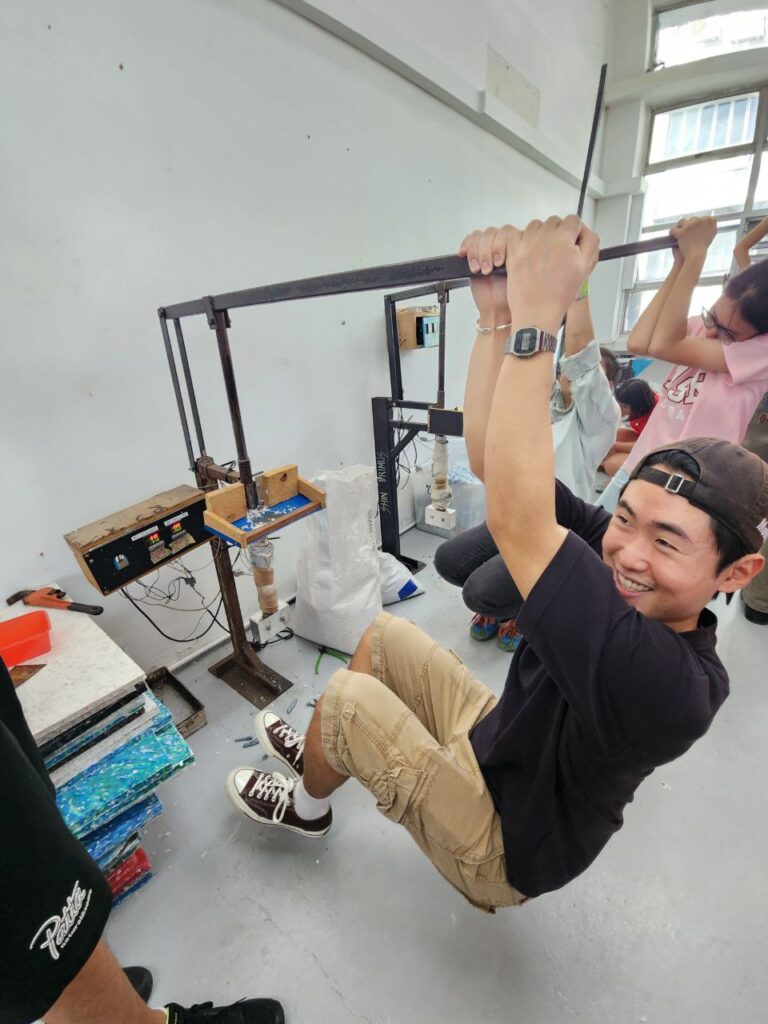
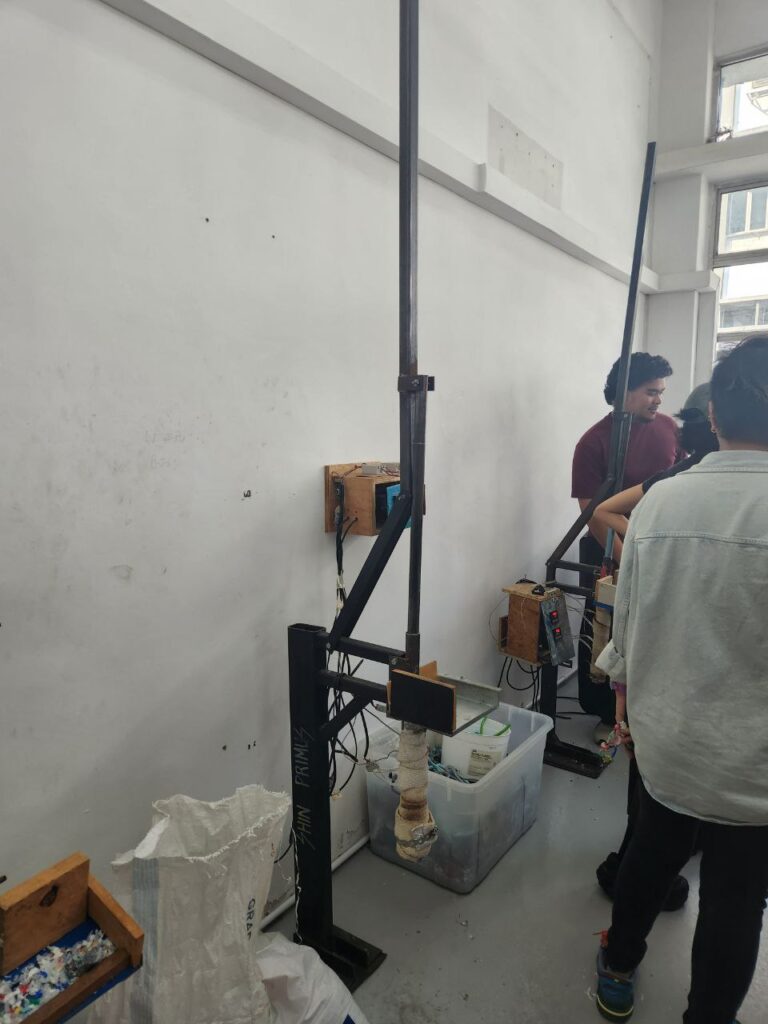
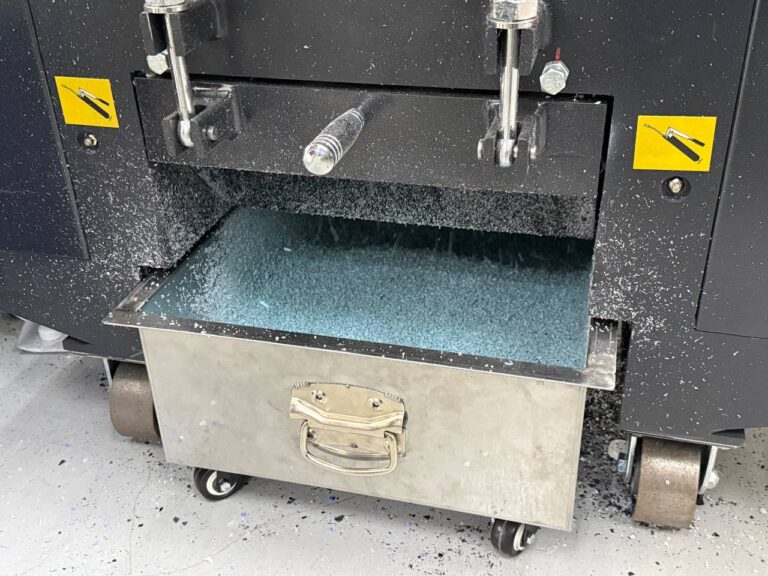
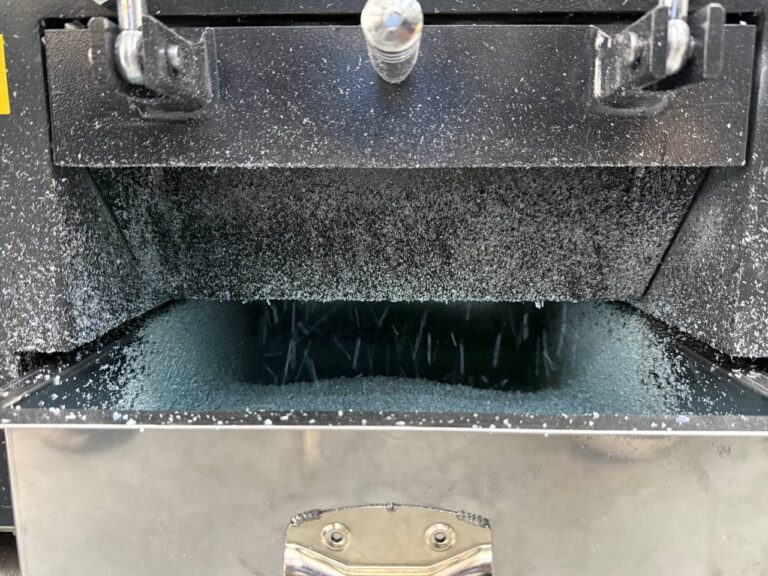
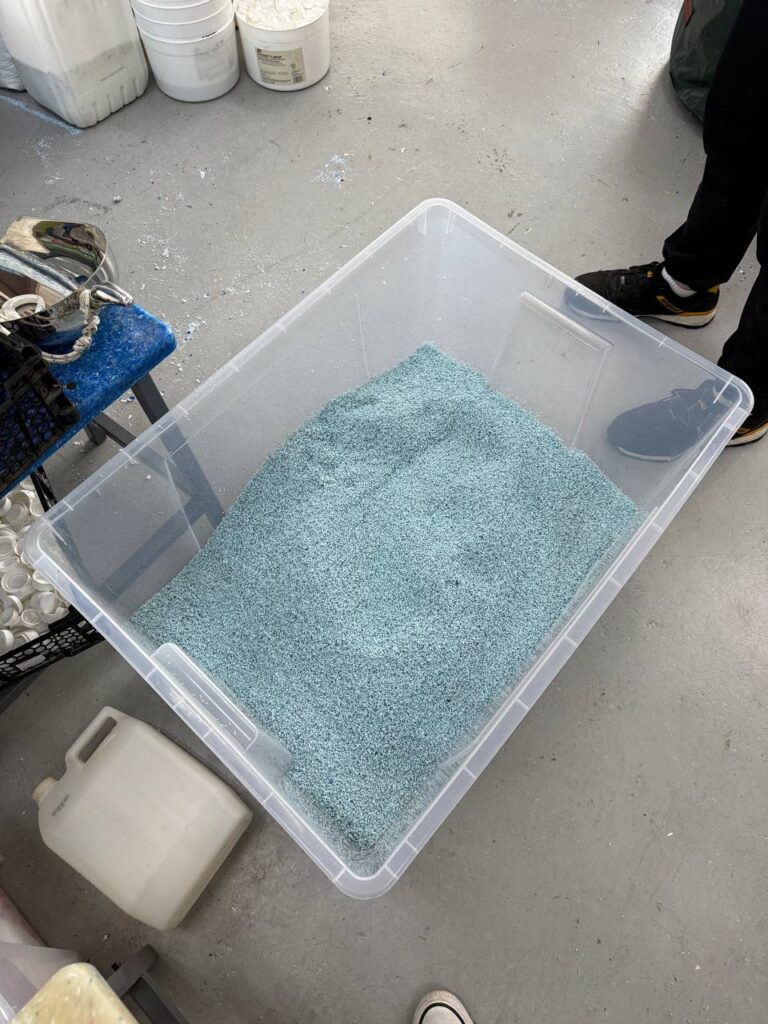
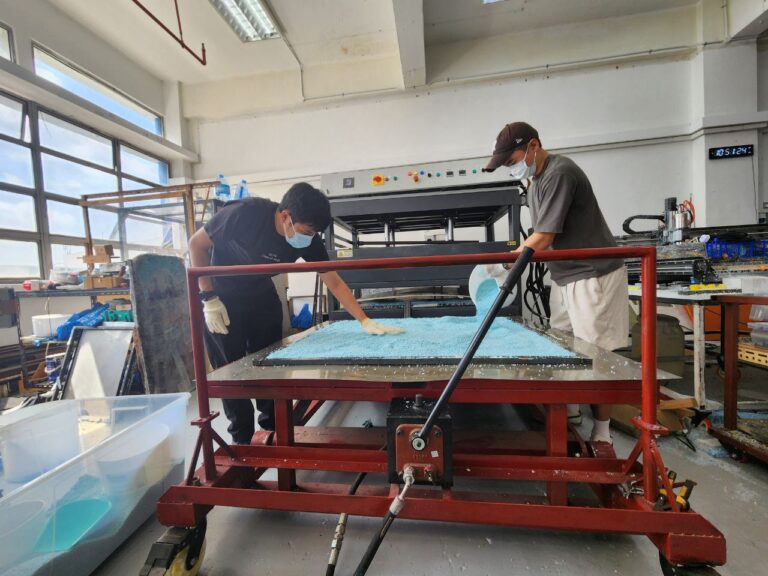
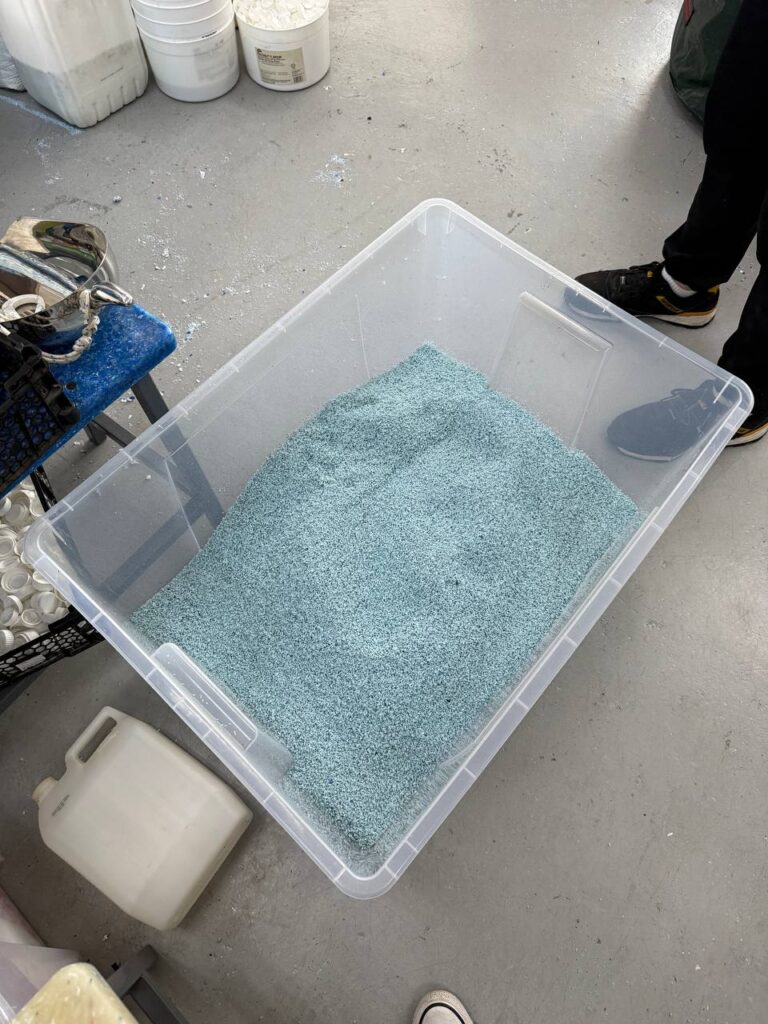
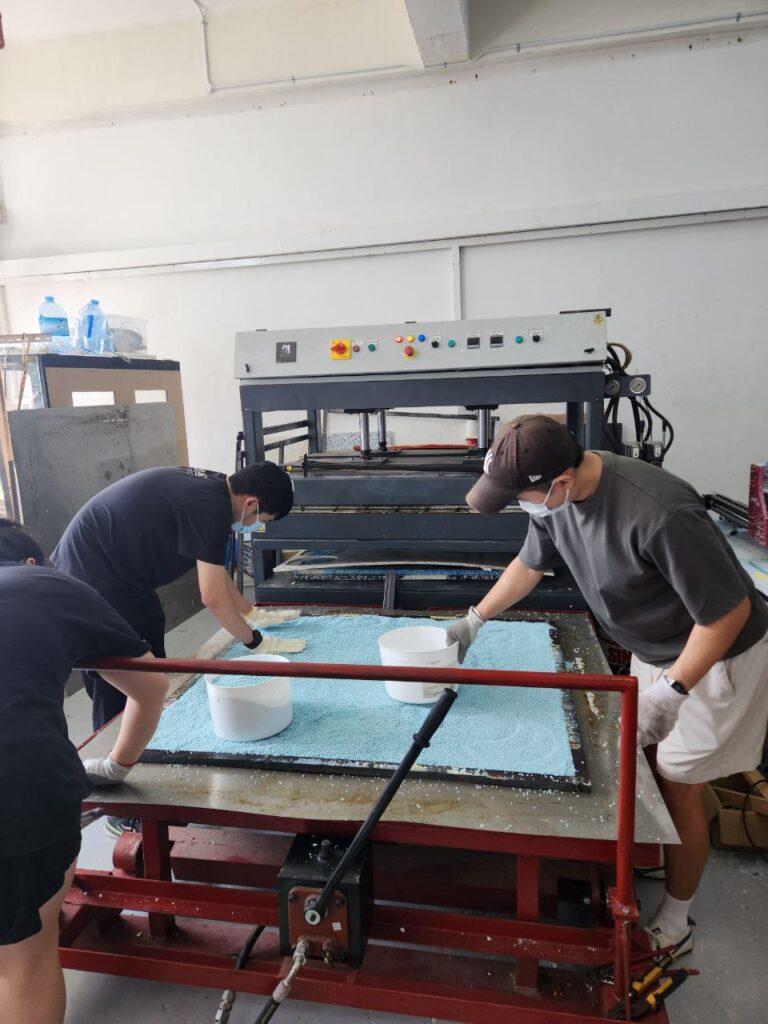
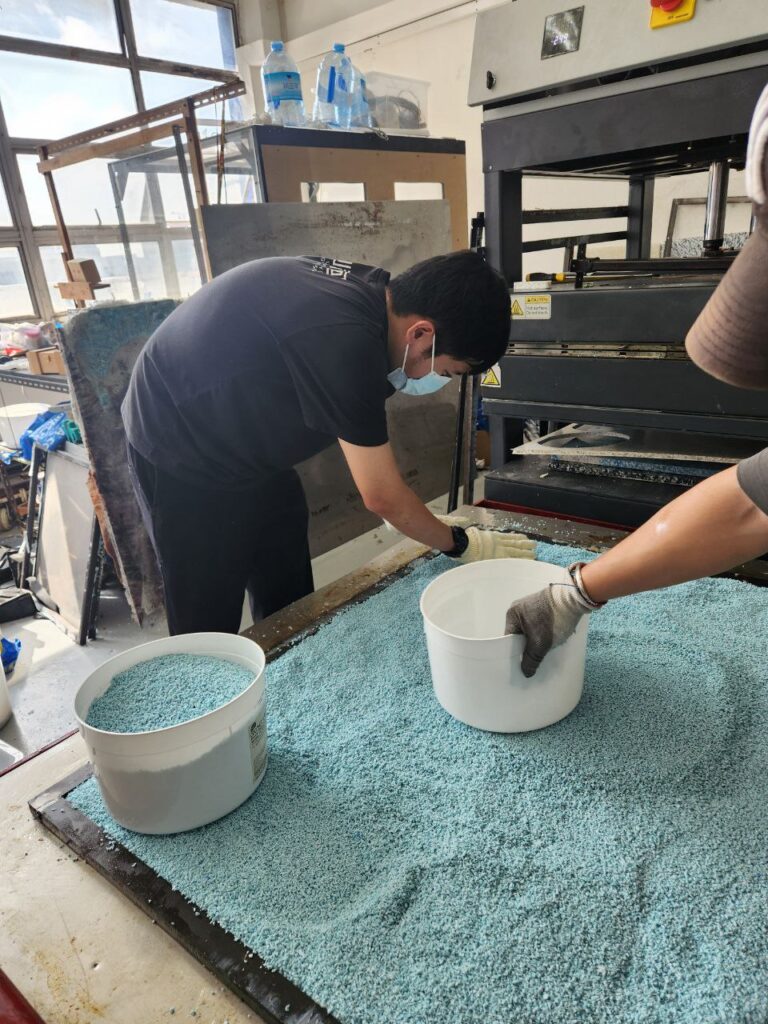
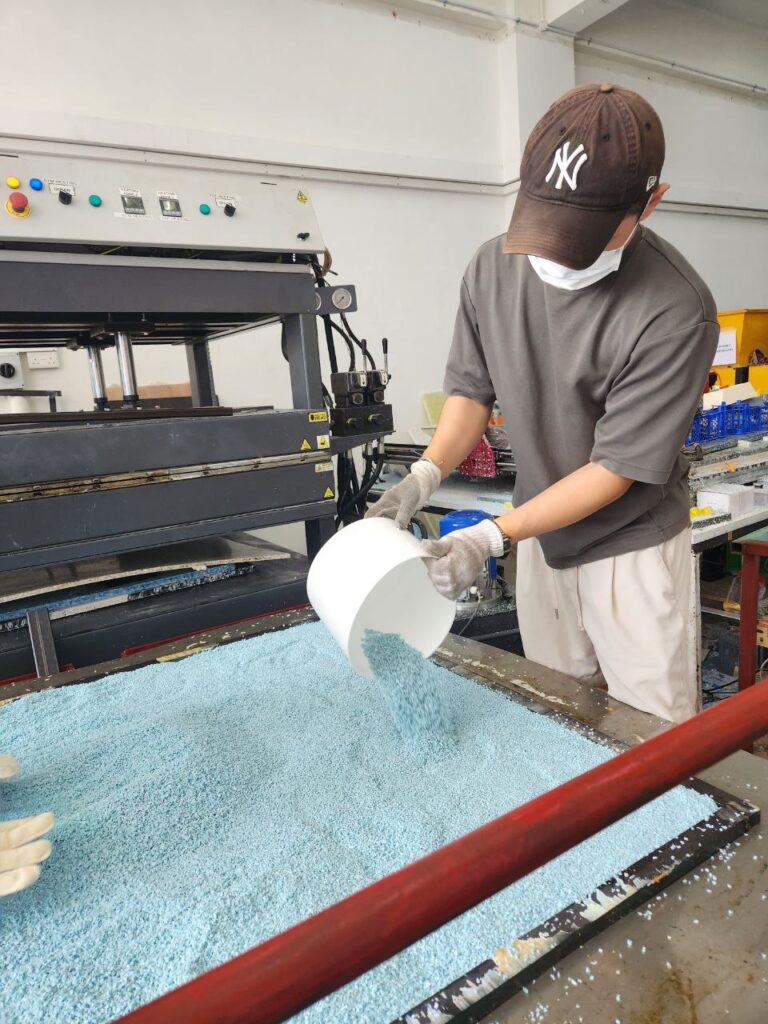
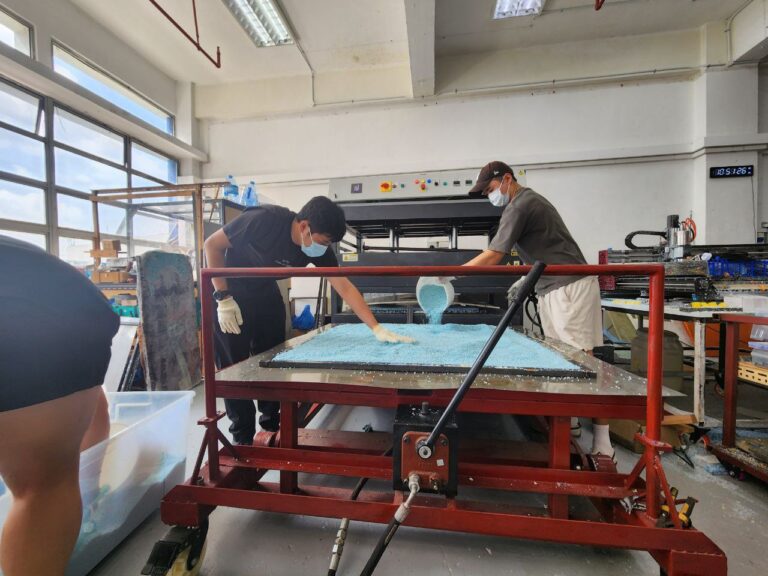
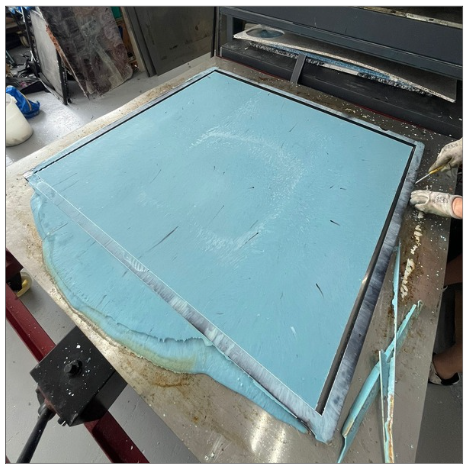
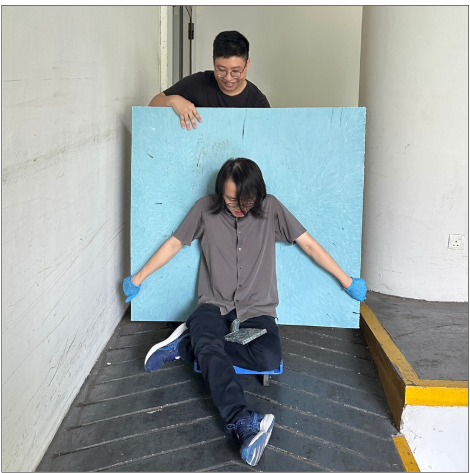
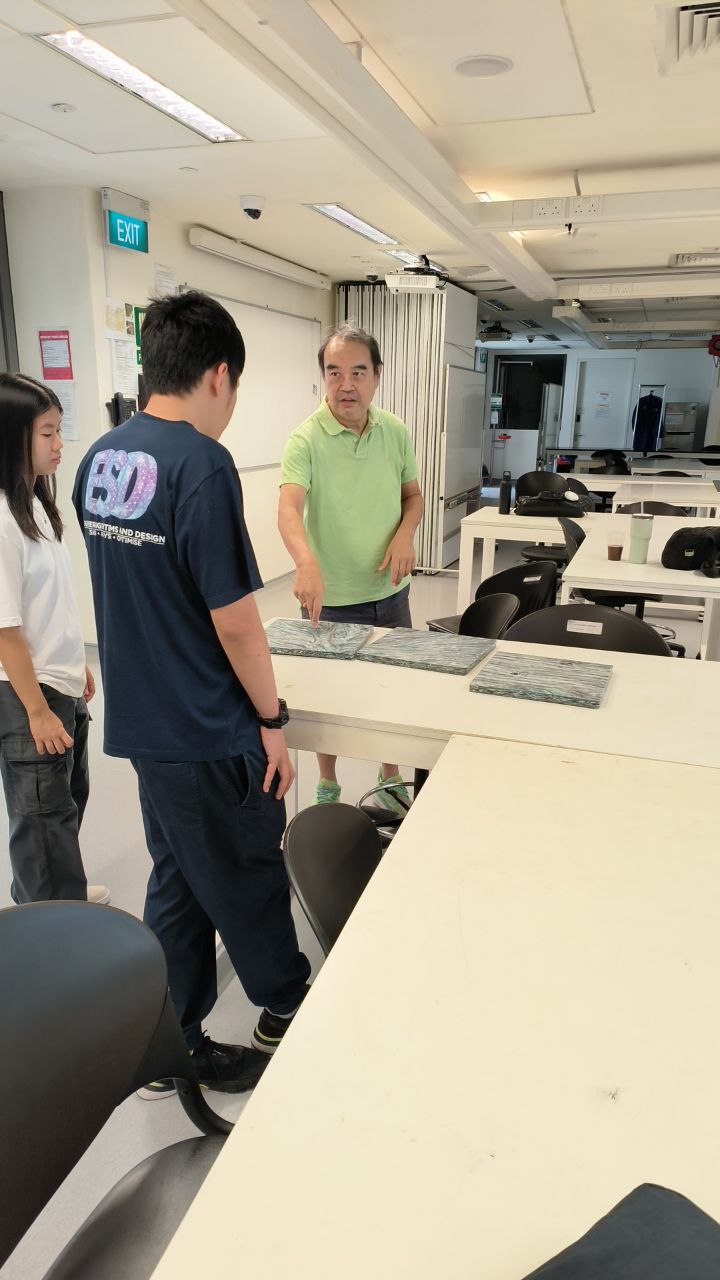
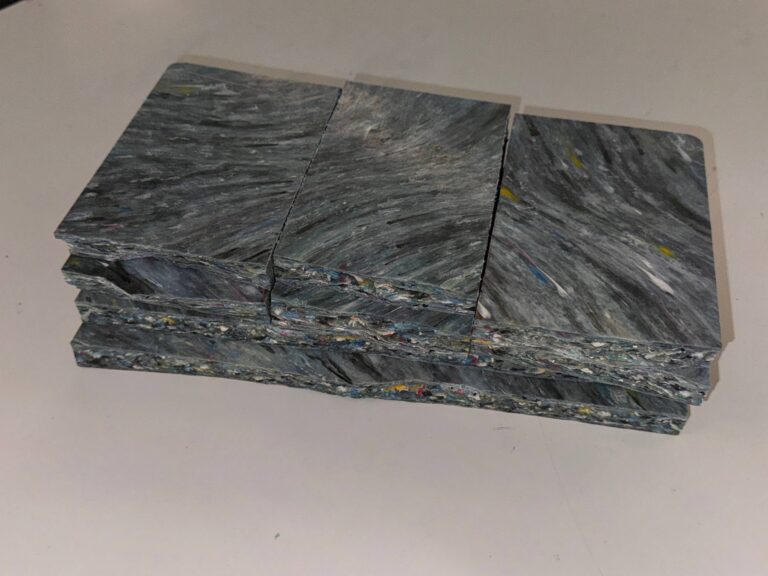
With cleaned chunks on hand, we then brought them over to Plastify for further processing. This involved further shredding and carefully laying out the fragments into their sheet press as evenly as possible. The initial pressing took a day to complete, however to further ensure the sheets were truly flattened, we did two more presses for each sheet produced. The end result of our time at Plastify was two beautiful blue PP sheets, which we delivered back to SUTD.
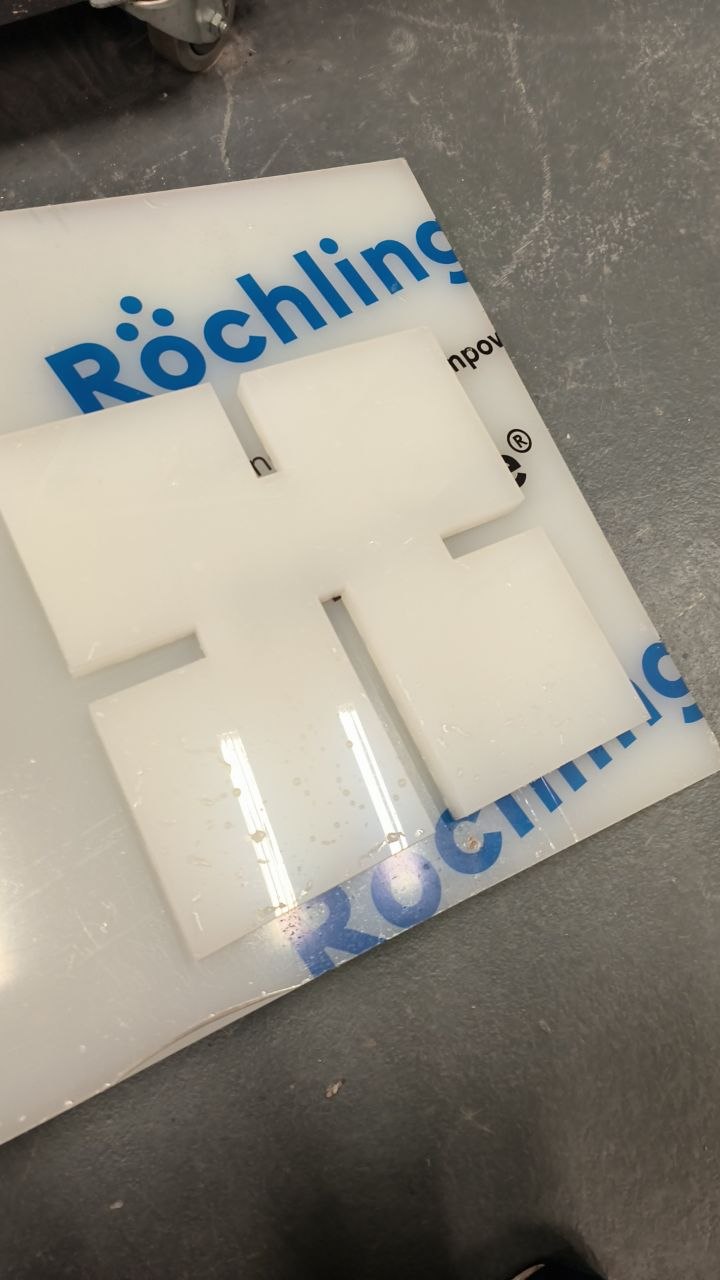
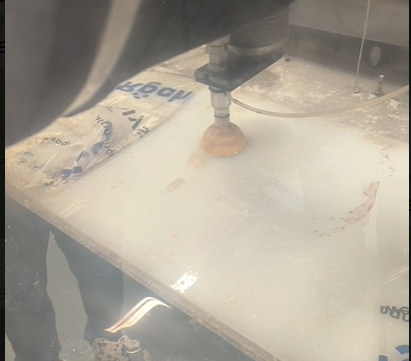
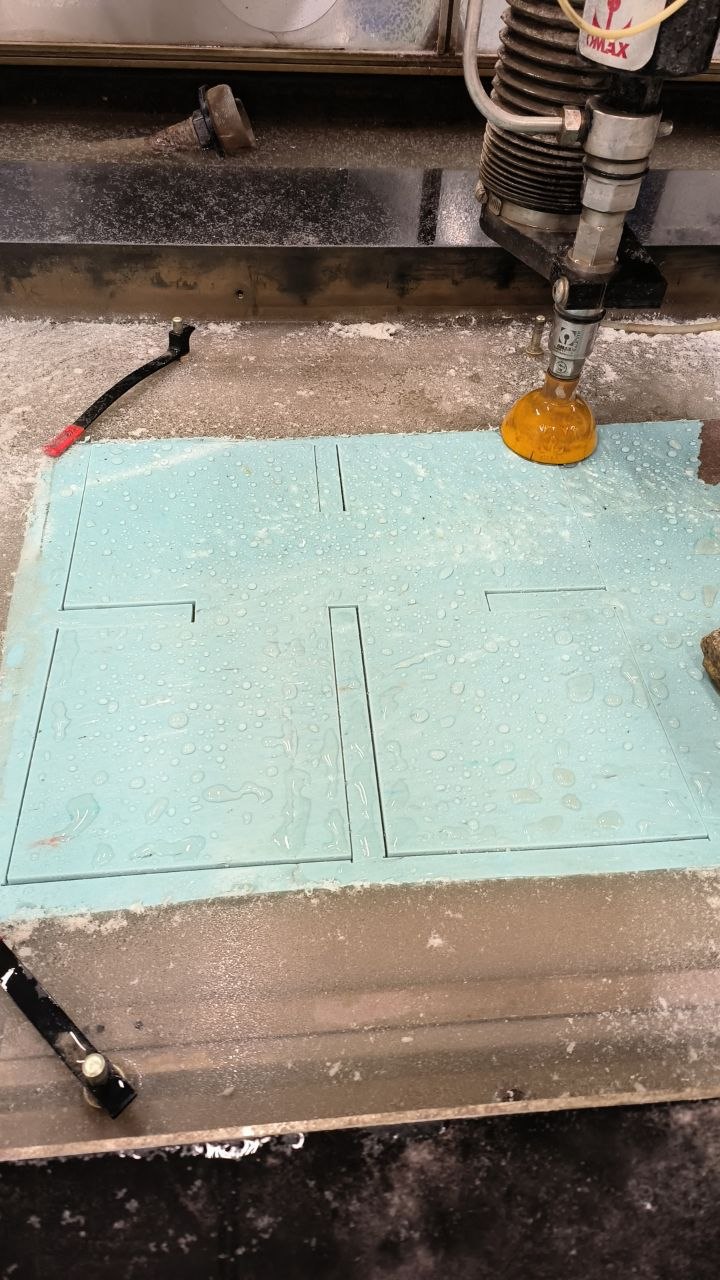
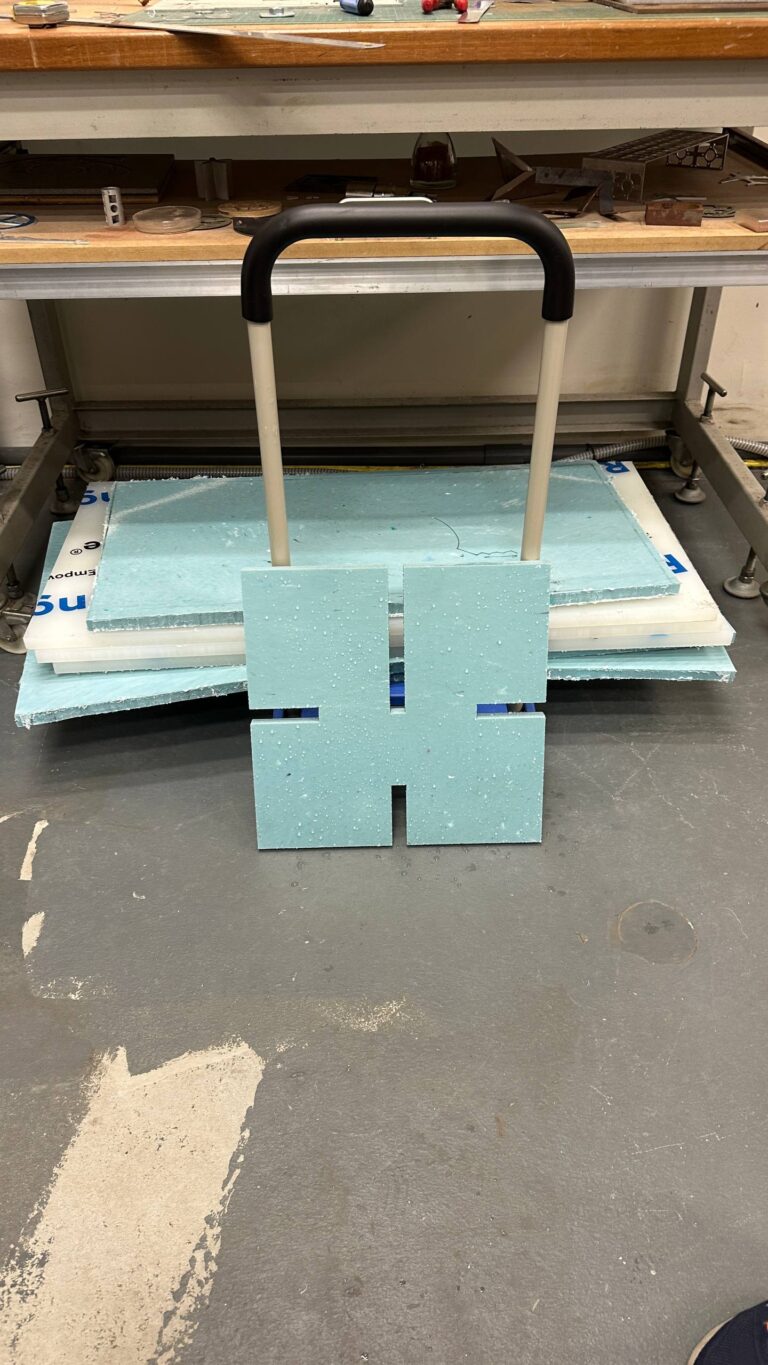
With the sheets on hand, we then begun cutting and iterating our modular units to make our furniture.
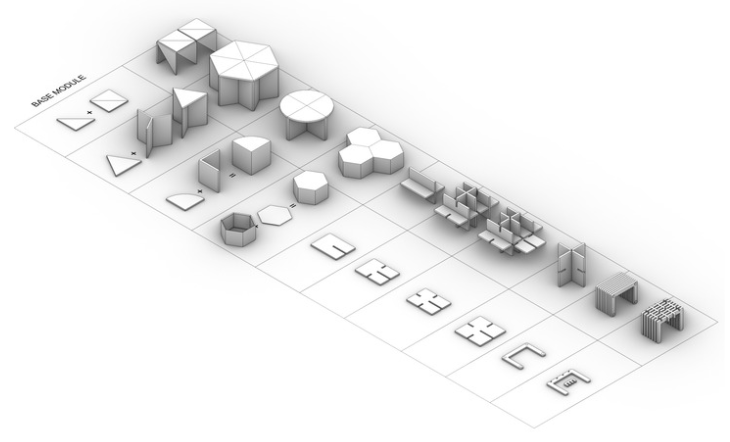
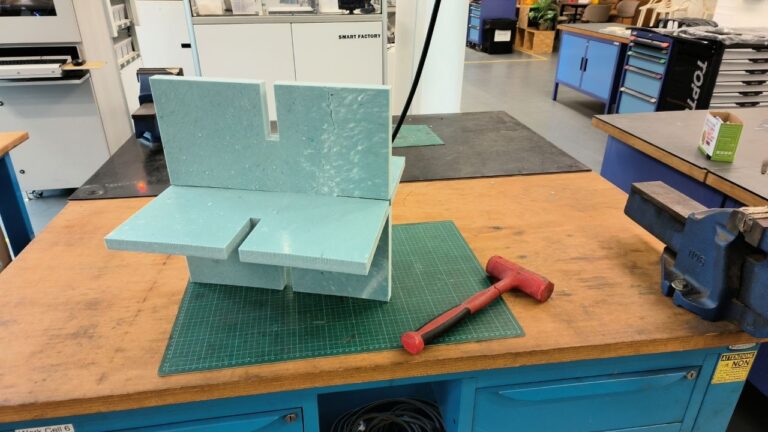
Initially, we explored various forms of upcycled furniture, focusing on standard beam constructions and traditional mechanical joint mechanisms using the pressed PP sheets.
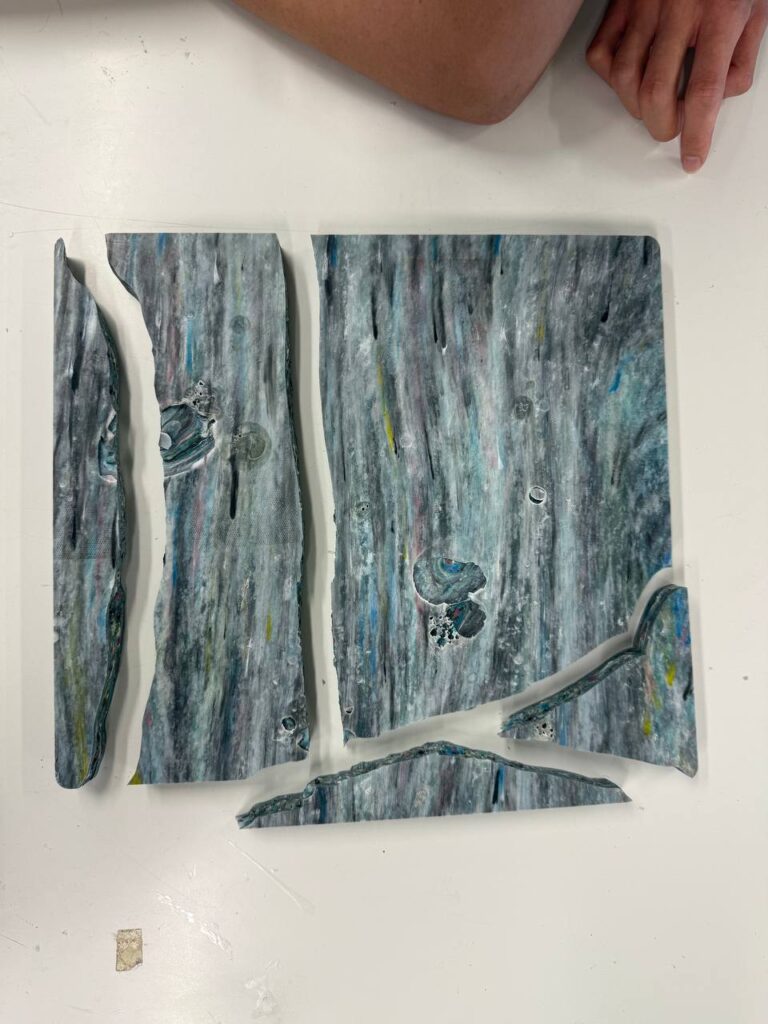
Observations: A critical hurdle was encountered during the fabrication phase. The recycled PP sheets exhibited a strong tendency to warp and bend after the pressing and cooling process. Since traditional furniture designs and our early modular concepts relied on tight tolerances and rigid geometry to remain stable, this warping rendered our initial joining methods inconsistent and weak.
Learning Point: We needed a design that could absorb or negate these material imperfections rather than fight against them.
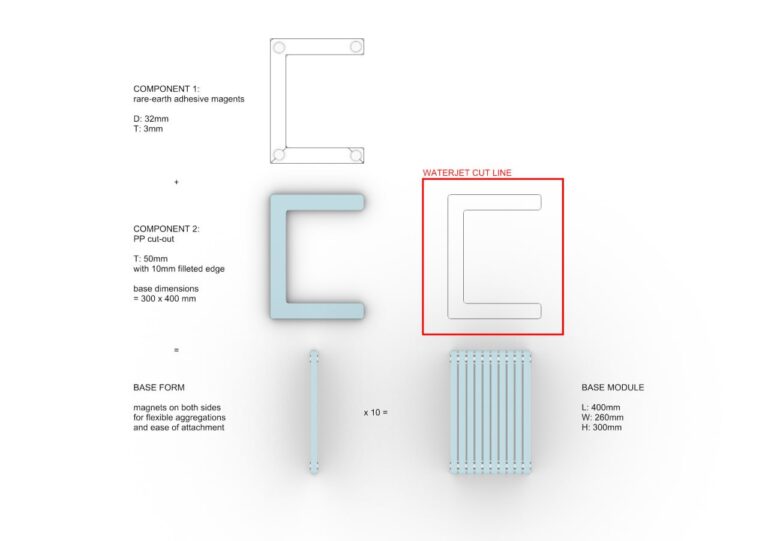
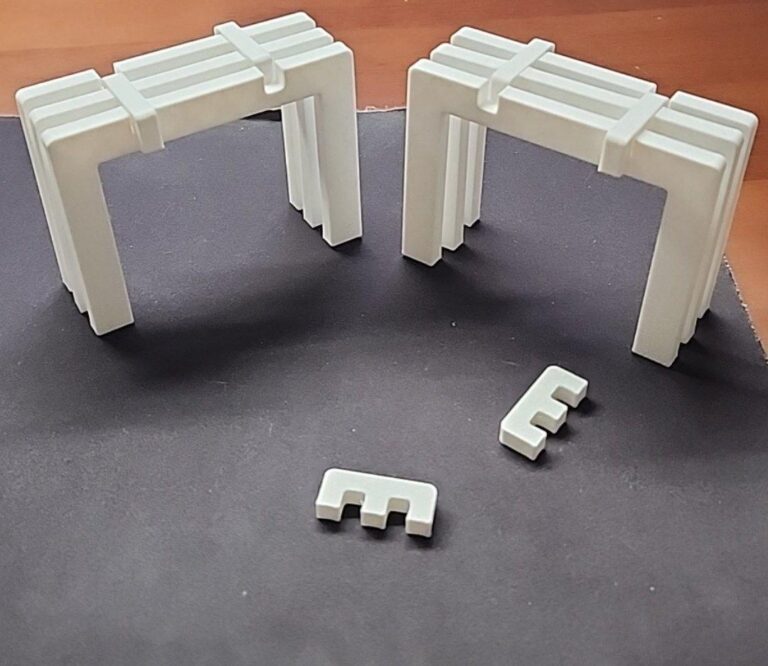
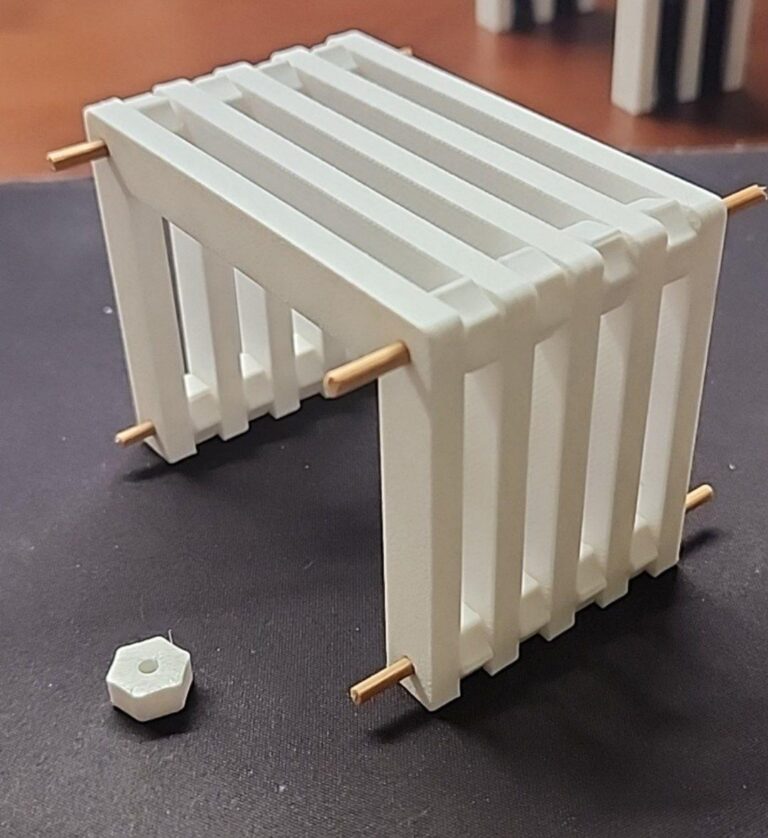
Our subsequent iterations involved the ‘C-Piece’. From the use of magnetic assemblies for quick assembly, E-Piece Connectors as a companion connector module and physical Dowel joints, our attempts of a flat-packed module was met with further observations and learning points.
To summarise, these iterations highlighted a clear trade-off: designs that were structurally sound (resisting diagonal flex) relied on tight tolerances that our warped recycled PP couldn’t provide, while designs that ignored tolerance (like the magnetic C-Piece) suffered from joint failure. This led directly to our final design philosophy: a zero-component friction joint.
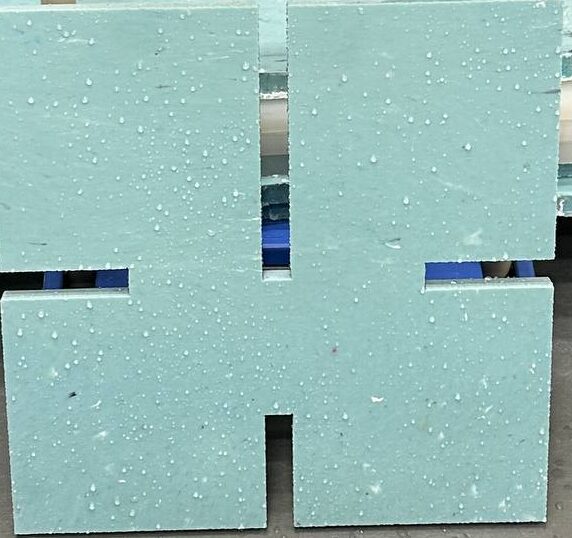
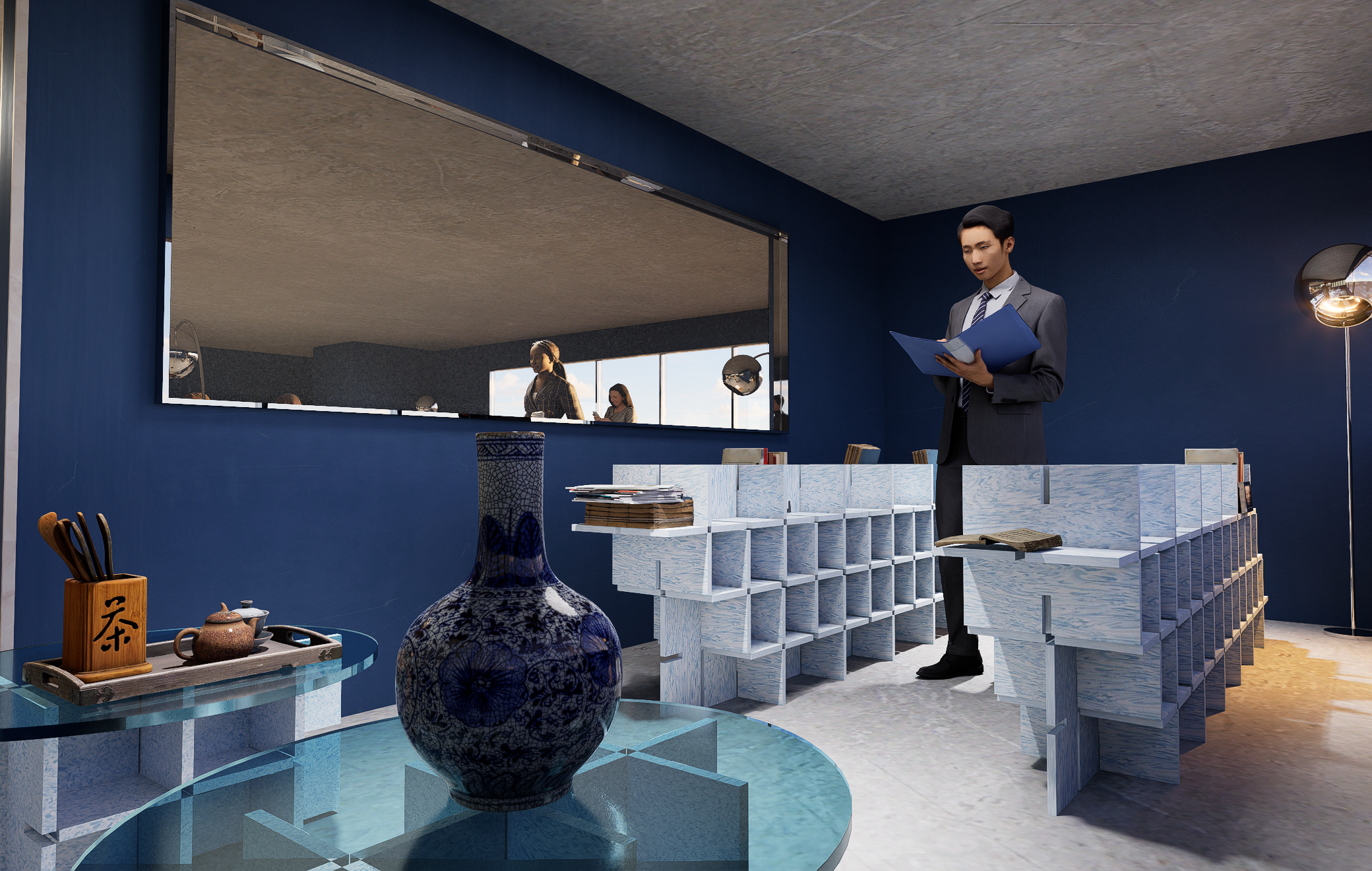
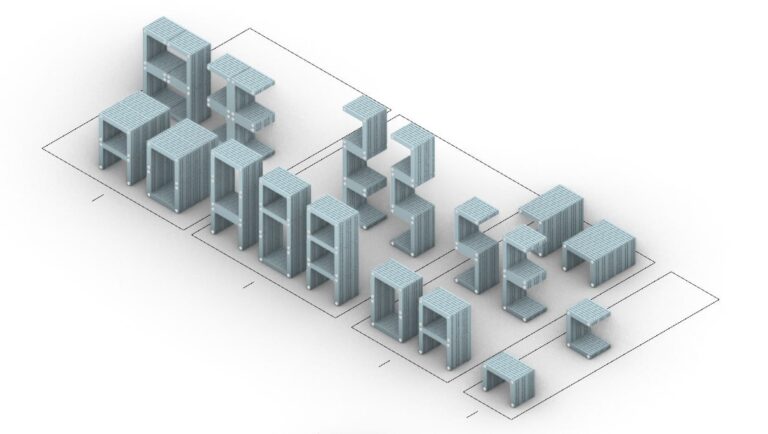
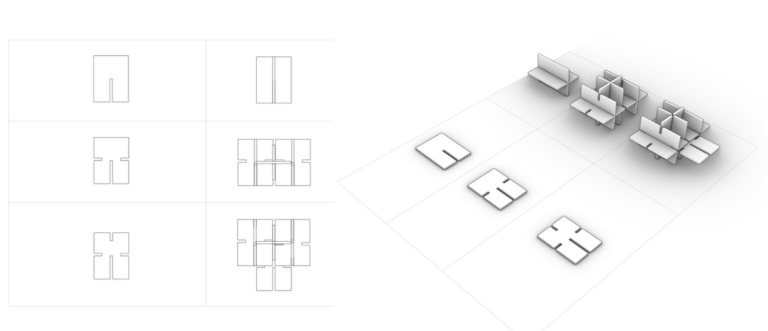
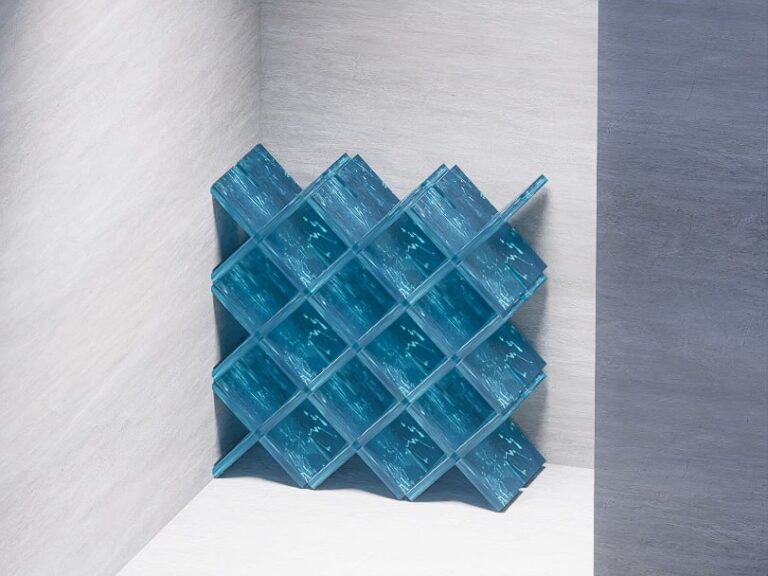
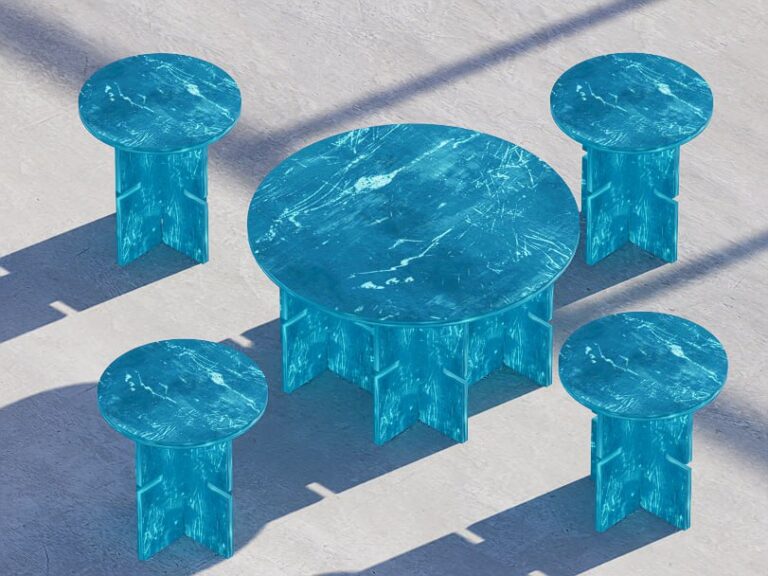
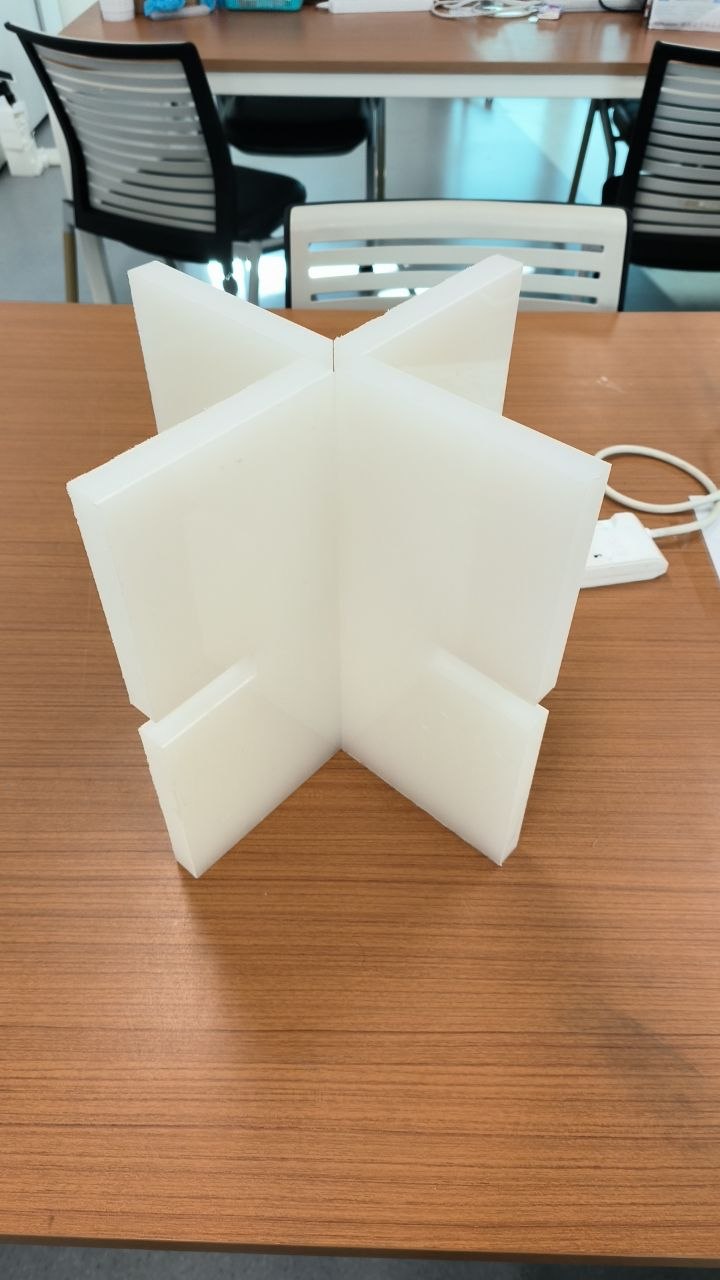
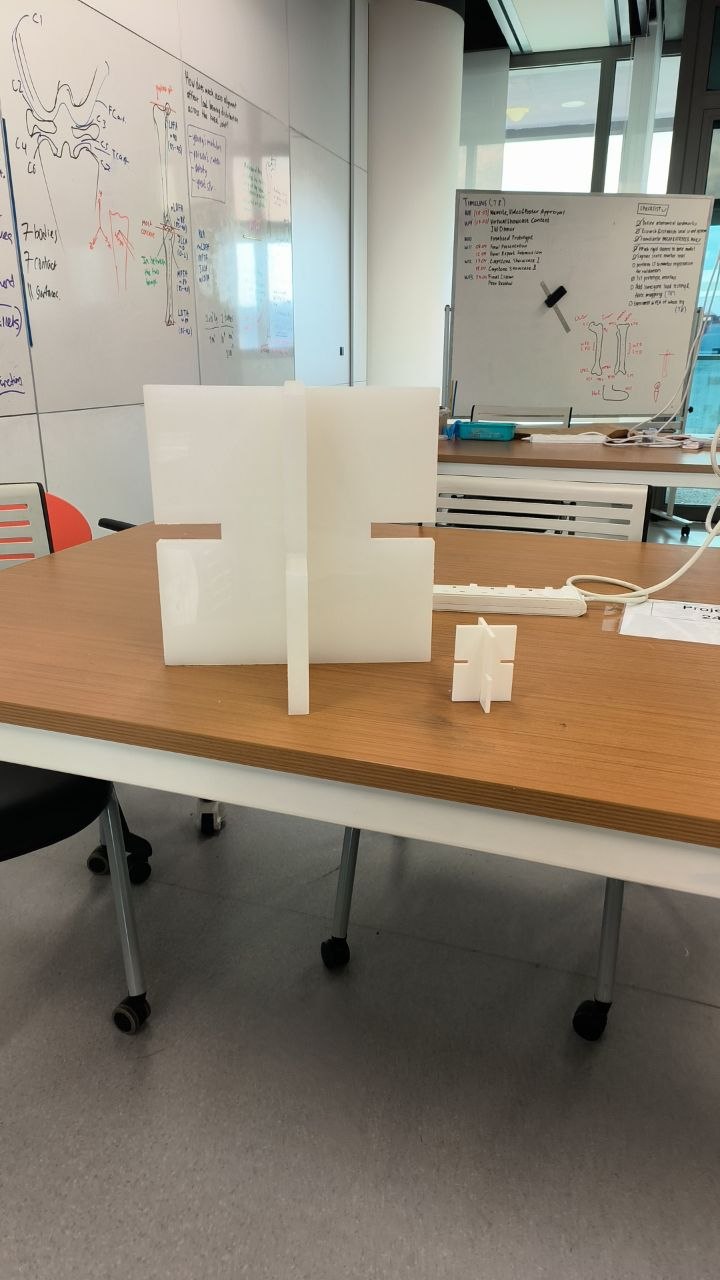
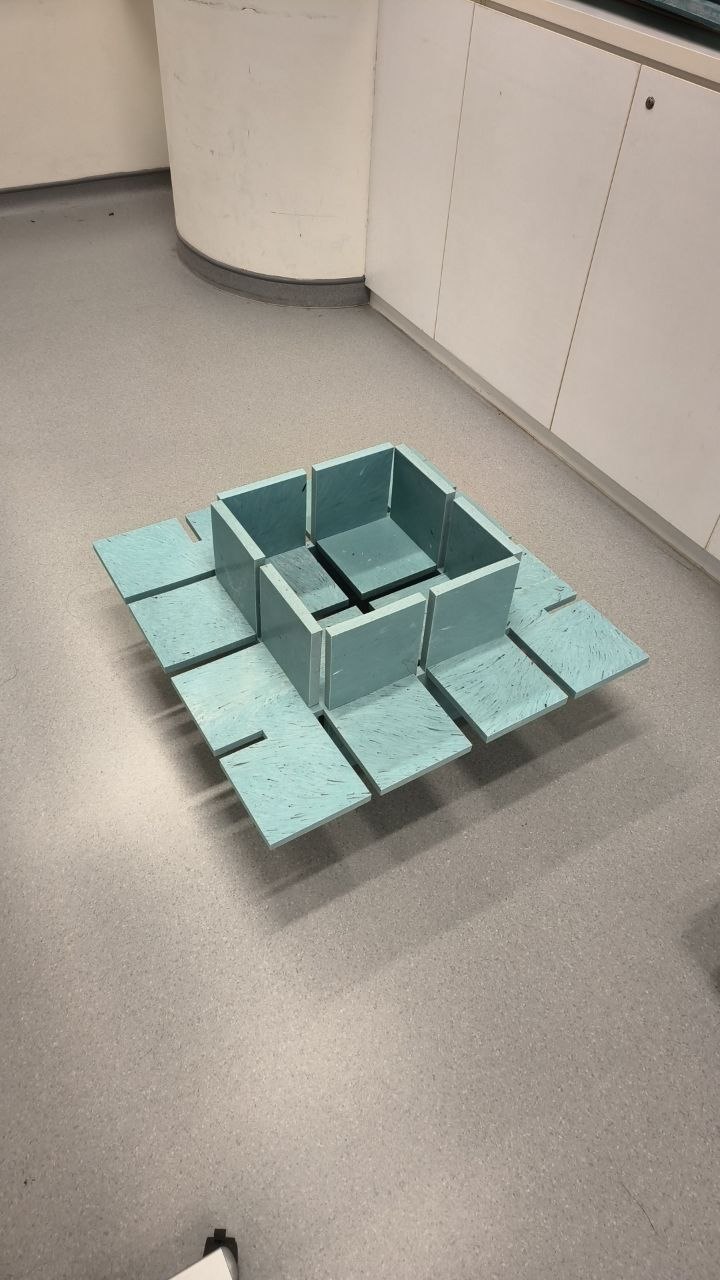
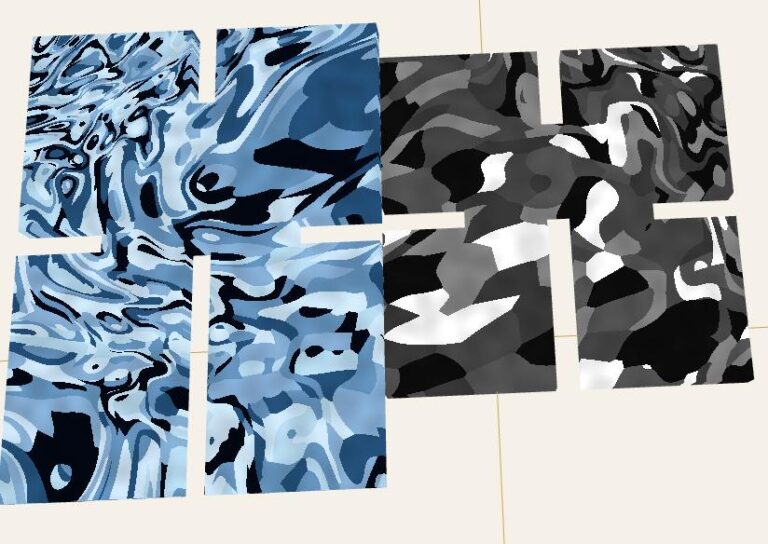
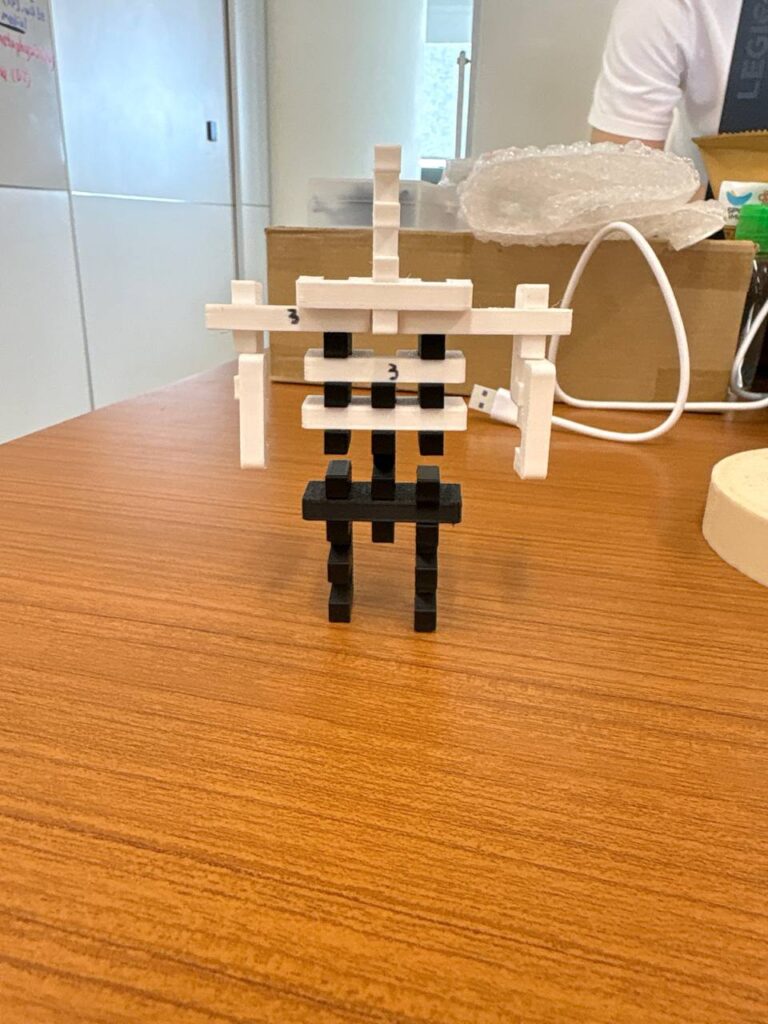
To address the material inconsistencies, we adopted a purist approach for our final design, eliminating the need for screws, nails, dowels, or non-plastic adhesives. The result is a standardized modular unit we call the “X-Piece”.
This specific geometry is how we solved the warping issue. By utilizing deep, interlacing friction joints, two X-Pieces can be slid together along their deep slots to form a freestanding “+” sign structure (a cross-section). This simple, robust joint is highly forgiving of slight warps in the plastic, as the interlocking perpendicular planes brace against each other, forcing stability.
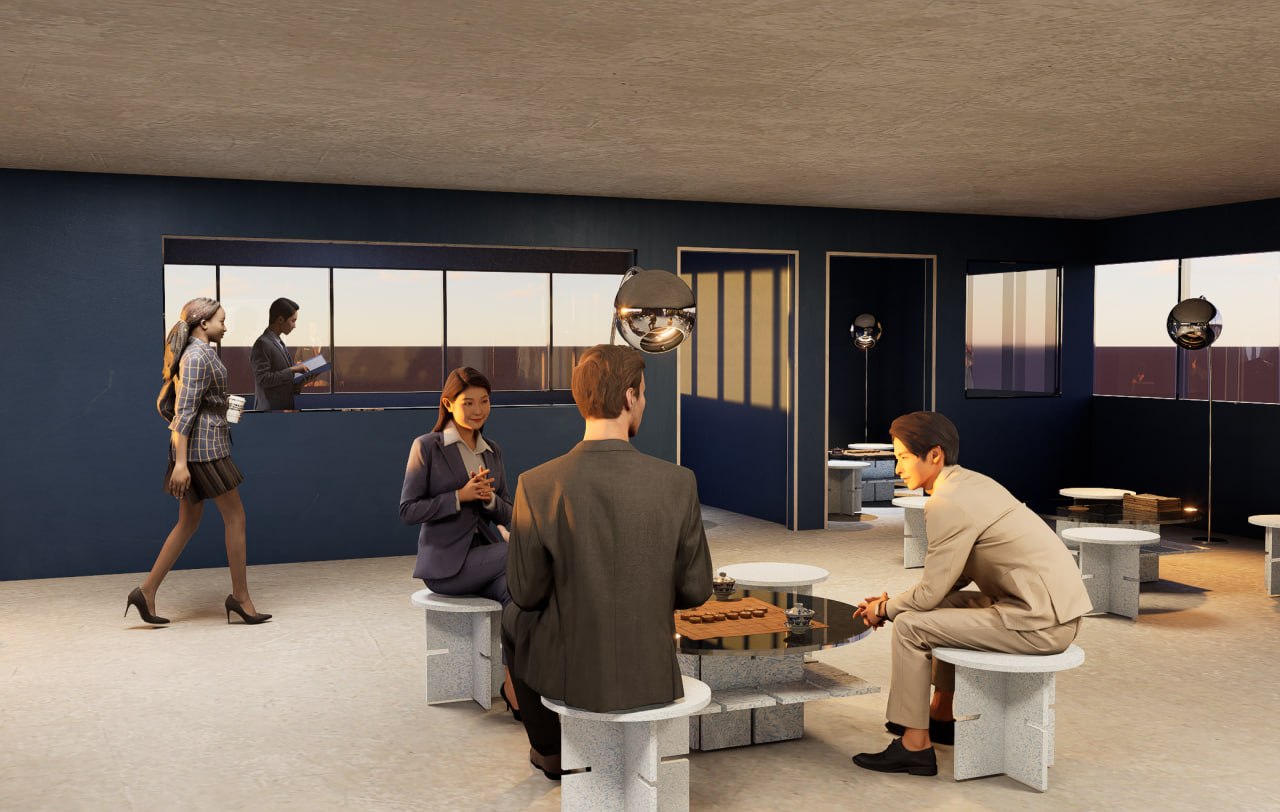
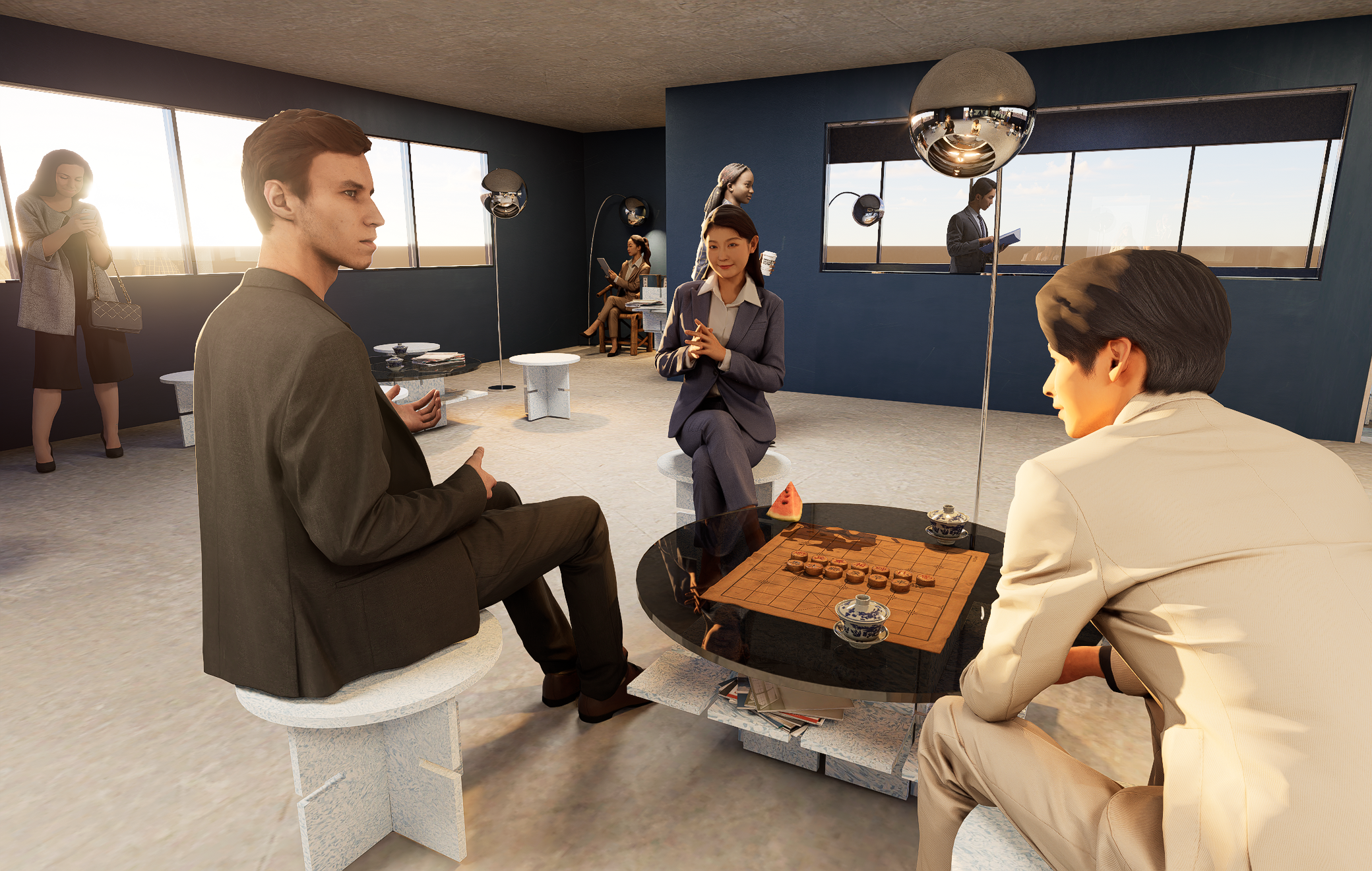
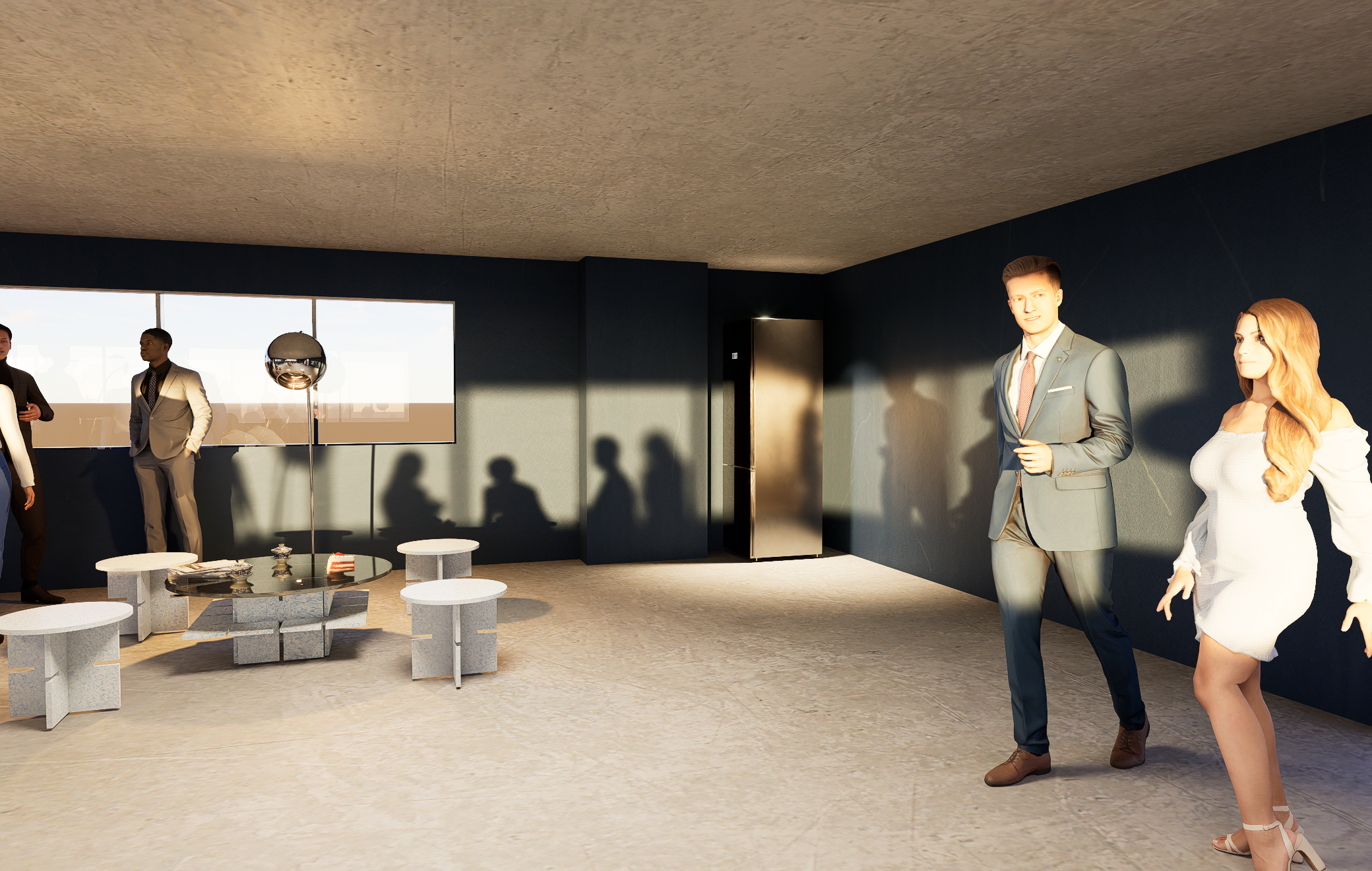
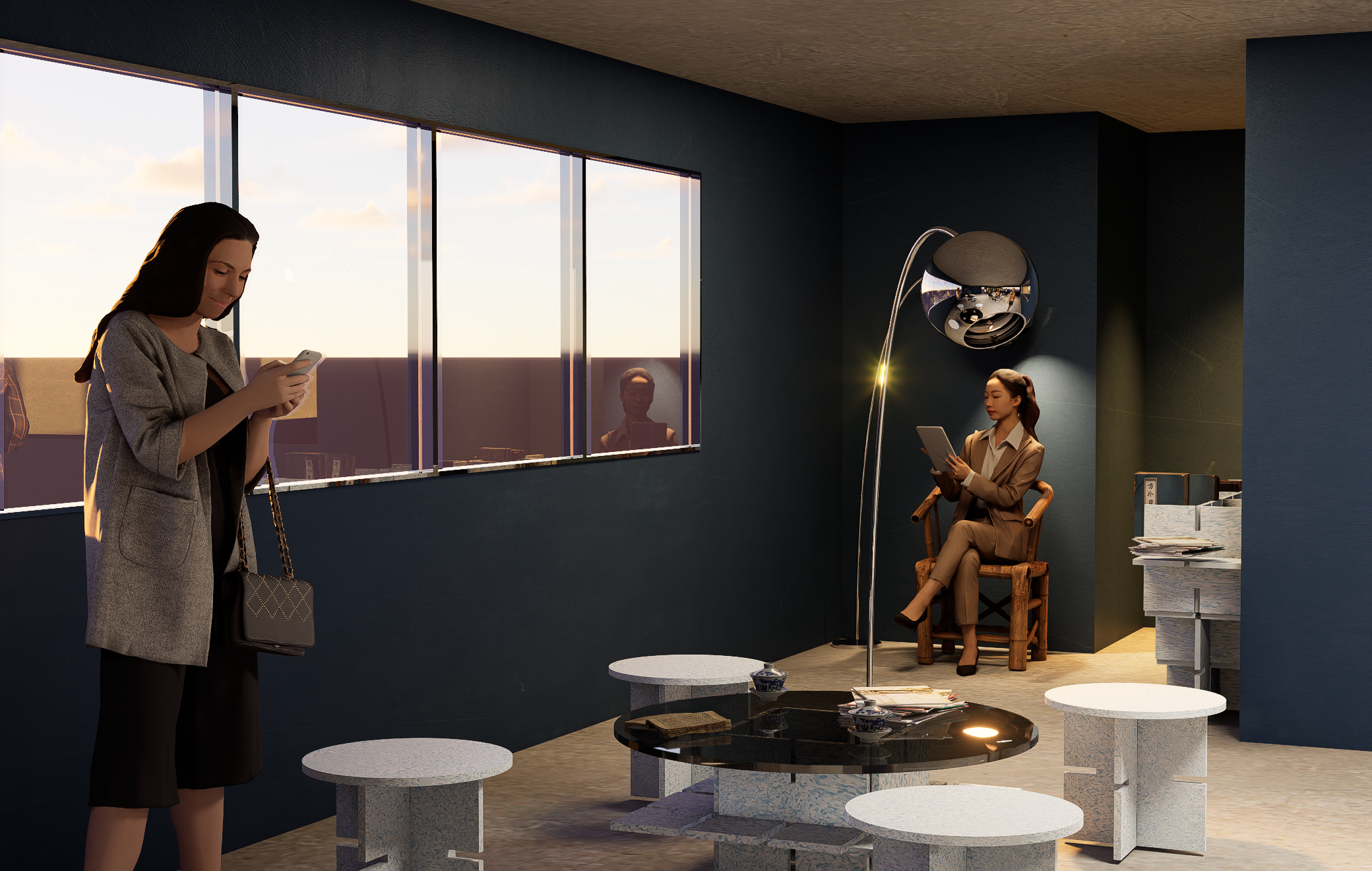
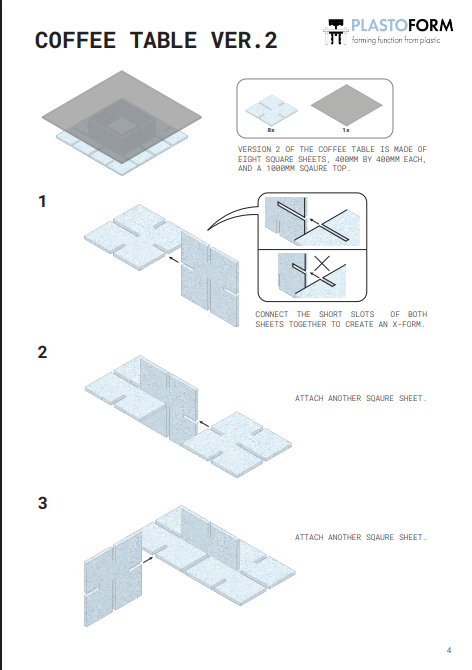
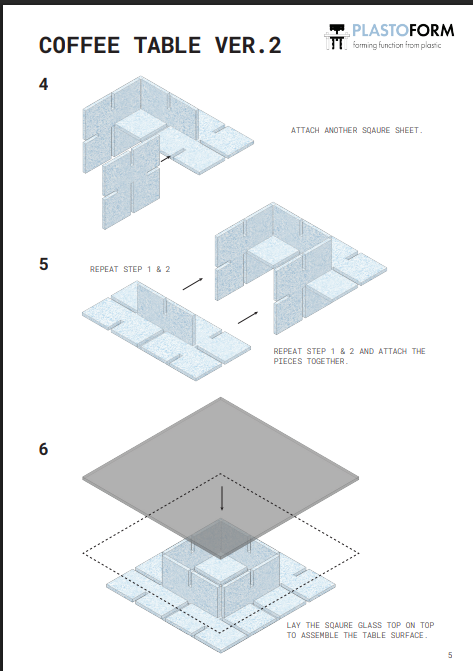
This base “+” configuration immediately functions as a sturdy stool base. By continuing to interlock the modules via the shallower edge slots, users can build outwards to form larger structures, such as a bench or, using eight pieces, a complete table.
A critical component of this project was validating our assumption that upcycling these pallets is environmentally superior to traditional disposal or buying new furniture. We conducted an LCA comparing the production of Virgin PP, our Upcycling Process, and standard commercial furniture (using IKEA products as a benchmark). The energy and carbon footprints for our proposed upcycling stages were estimated by calculating the energy demand of the machines used in each process. This energy use was then converted into carbon emissions based on Singapore’s grid electricity emission factor of 0.402 kg COâ‚‚/kWh.Â
| Process Stage | Energy Footprint (MJ) | CO2 Footprint (kg) |
| Primary Material Production | 1835.125 | 61.35 |
| Material Processing | 720.27 | 54.325 |
| Usage | 0 | 0 |
| End-of-Life: (Combustion) | -83.475 | 83.21 |
| Total | 2638.87 | 198.9 |
| Process Stage | Energy Footprint (MJ) | CO2 Footprint (kg) |
| Pre-Processing (Cut, Wash, Shred) | Pre-processing: 7.13
Shredding (~1 hour): 37.8 Total: 44.93 |
5.02 |
| Heat Press (~1.5 hours) | 172.8 | 19.296 |
| Machining and Assembly (CNC Machining ~2 hours) | 36.0 | 4.02 |
| Total | 253.73 | 28.336 |
| Product | Materials | Energy Footprint (MJ) | CO2 Footprint (kg) |
| IKEA Coffee Table | Glass, Steel, Particle board | Production: 586.9
End-of-Life: 197.5 Total: 784.4 |
Production: 257.1
End-of-Life: 1.23 Total: 258.3 |
| IKEA Side Table | Fibreboard (5.96kg) | Production: 65.56
End-of-Life: -125.16 Total: -59.6 |
Production: 2.21
End-of-Life: 10.73 Total: 12.94 |
| Low Back Armchair | Birch, Polyurethane, Polyester | Production: 317.0
End-of-Life: -173.8 Total: 143.2 |
Production: 17.89
End-of-Life: 6.48 Total: 24.37 |
These figures suggest a substantial environmental improvement. Our upcycling process yields a dramatic reduction in CO2 emissions (~28.3 kg), which is a Substantial 85.8% reduction compared to manufacturing from conventional virgin PP (~198.9 kg). Furthermore, when replacing high-impact commercial furniture like the IKEA Coffee Table (which produces roughly 258.3 kg of CO2), our upcycled PP furniture provides immense environmental savings.
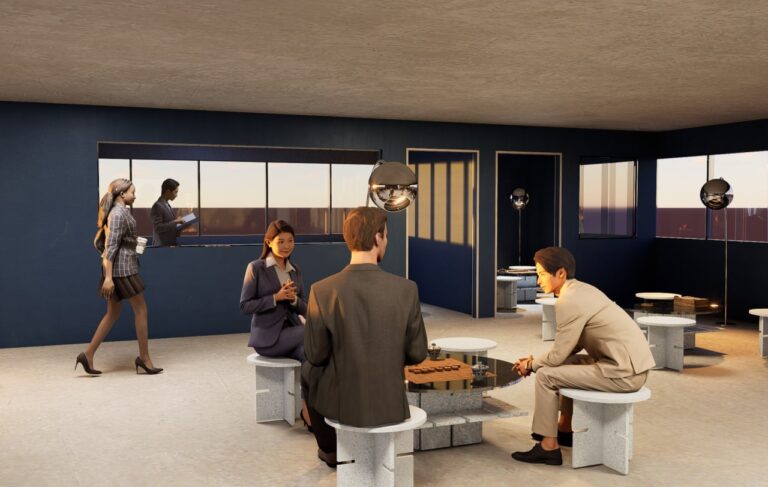
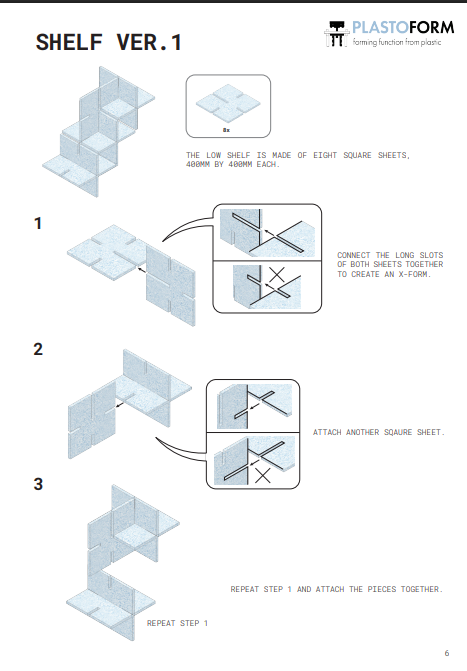
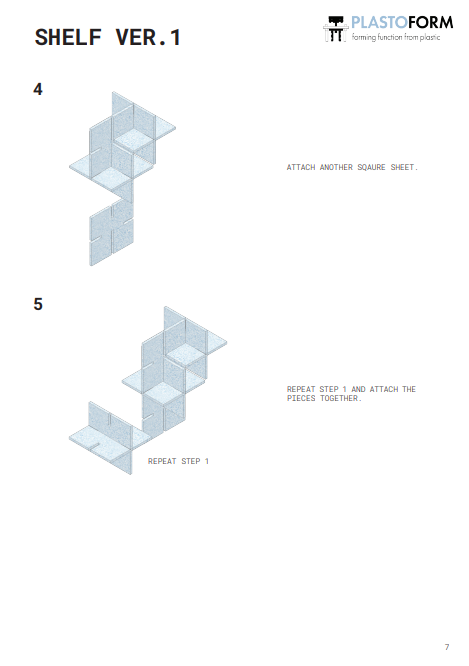
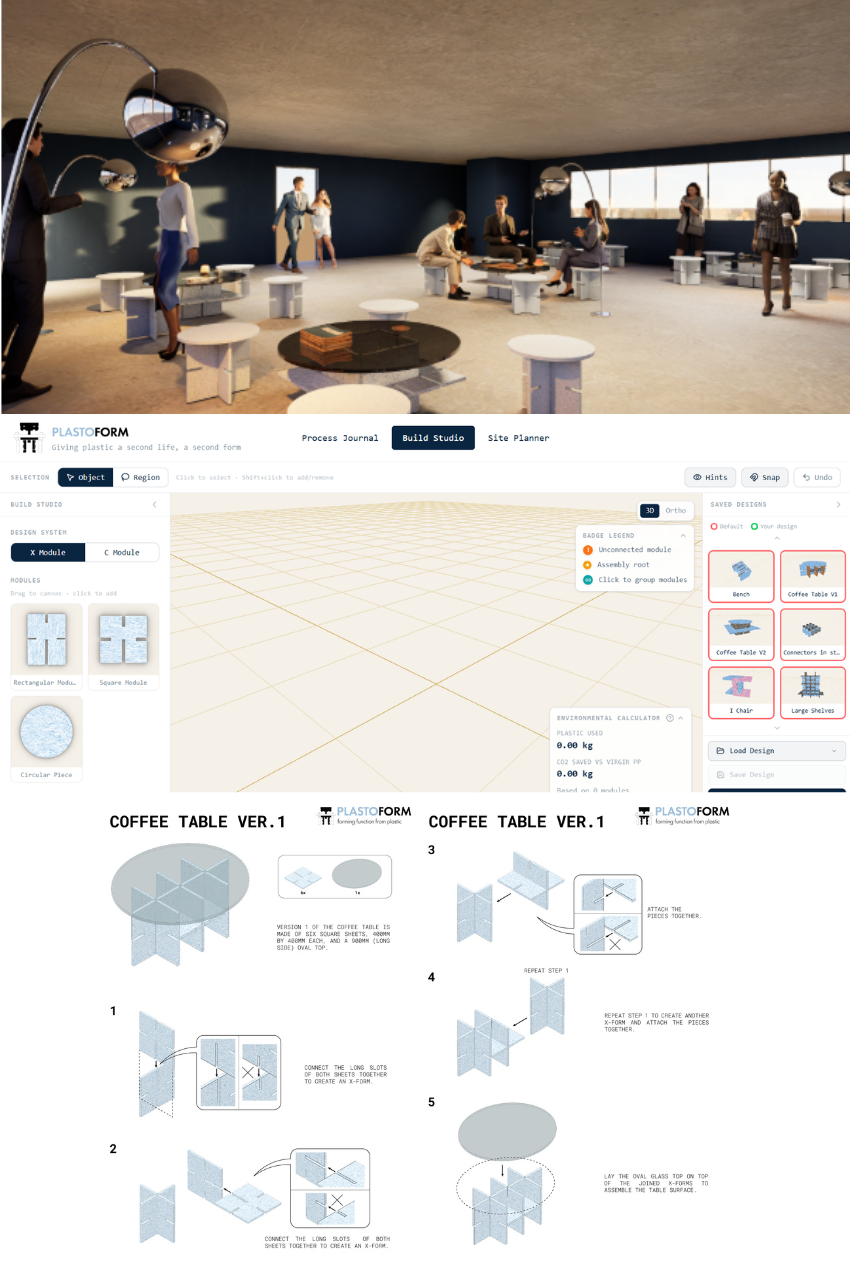
Beyond simply delivering our X-Pieces, to ensure that they are practical and accessible for DSV staff to use, we developed accompanying materials and ecosystem to guide assembly, akin to a Lego manual. These include Our Renders, The Digital Cookbook and The Physical Cookbook.
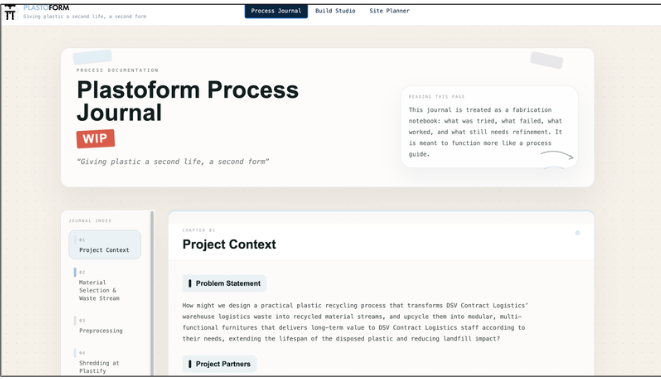
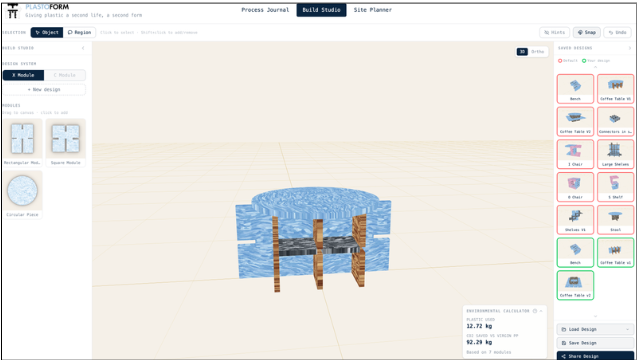
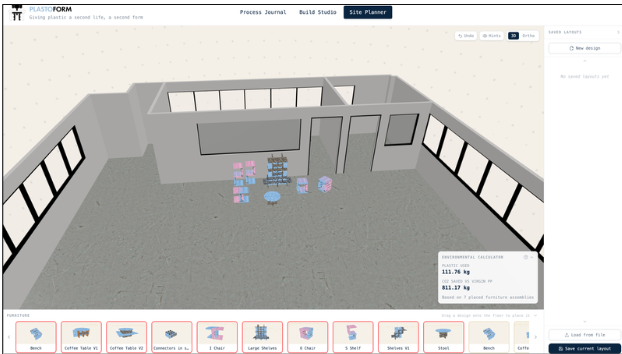
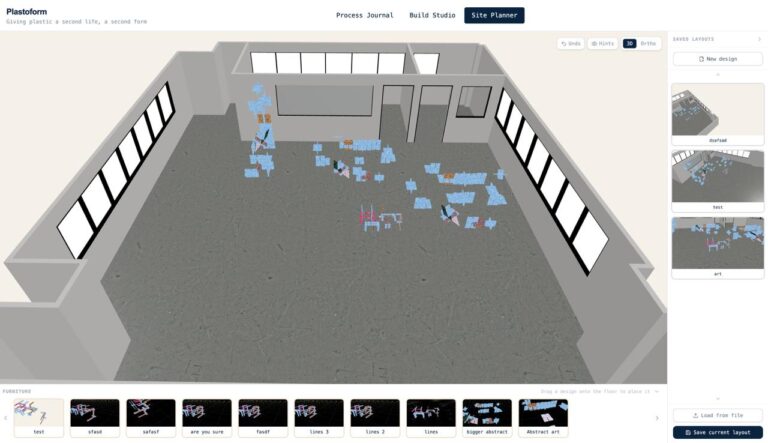
The “Digital Cookbook” was designed to make the Plastoform system understandable, usable, and replicable beyond the physical prototype alone. It enables staff to quickly visualise how furniture can be assembled, what configurations are possible, and how much recycled material a design would require. Instead of relying on technical drawings or abstract instructions, users can easily understand the system through a visual, interactive and familiar environment.
The static website includes:
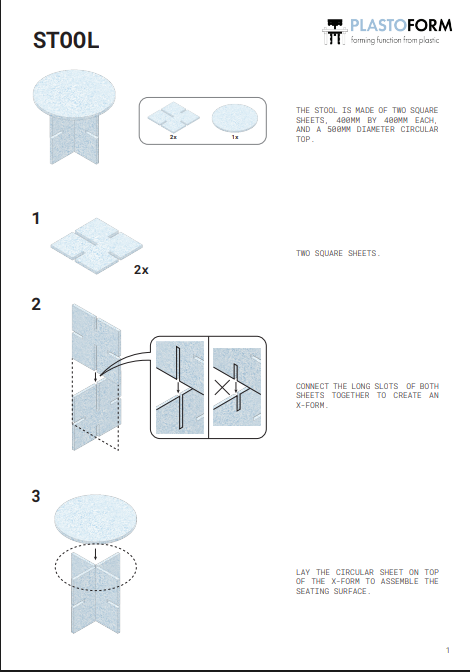
Recognising that workers on the warehouse floor might not always have access to a digital device, we created a physical “Cookbook.” Similar to instructions included in modular toy sets, this manual provides step-by-step pictorial guides for assembling common, highly useful furniture items utilizing the X-Pieces in an easy-to-follow manner The current edition includes instructions for:

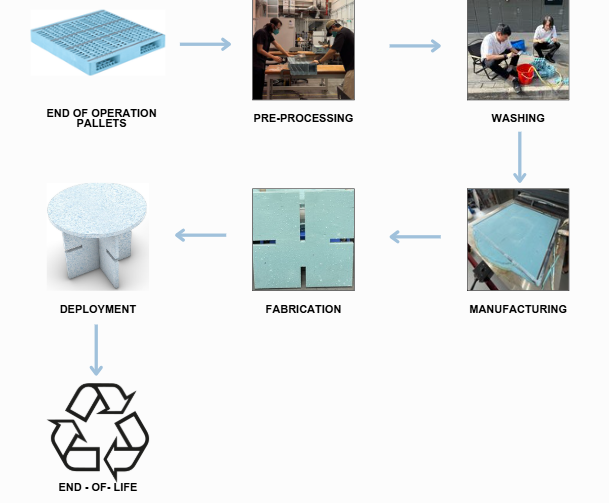
While we have described the design process for our furniture thus far, this is what we envision the complete lifecycle of the PP plastic—from its decommissioning as a pallet to its second end-of-life as furniture based on the feasibility and integration of our solution within DSV’s operations.
Plastoform would like to firstly thank DSV Global Transport and Logistics for the project and their involvement throughout these 6 months. They have provided us with immeasurable and unconditional support and for providing the unique opportunity of working on this sustainability initiative. Specifically, we would like to thank Katherine and Yu Liong for introducing us to the warehouse facilities and for providing the waste plastic pallets that form the basis of our project. Without their support and eagerness to participate in this project, we will not have the chance to try our hand at such an exciting capstone project that has the potential to bring about real impact in sustainability.
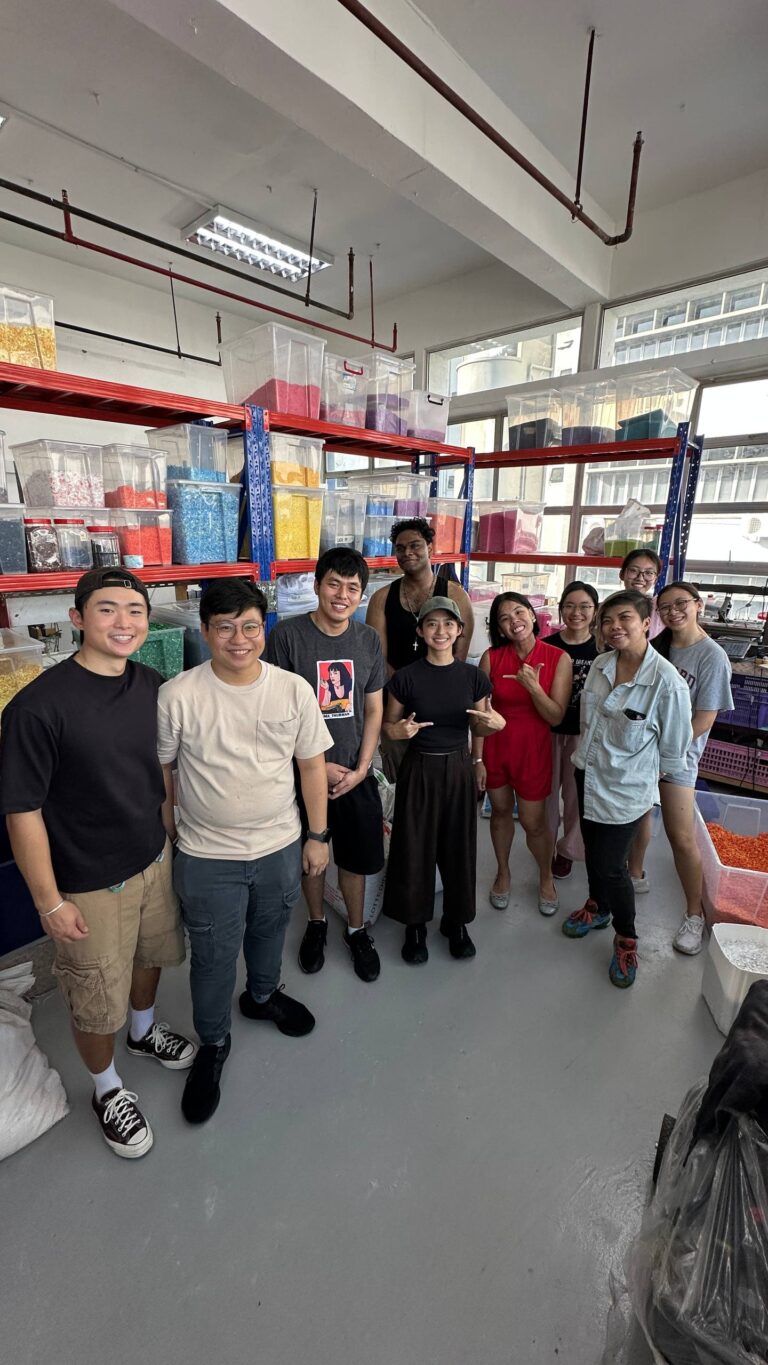
We would also like to thank our external partner, Plastify, particularly Paul and Yew Jin, for their partnership and hands-on mentorship. Their passion and expertise in plastic recycling is evident through their willingness to collaborate for this project, and has been instrumental in realizing our design goals. Their guidance and tips have also been crucial to the design process of our final product, and they have imparted real-world practical advice that we consider invaluable.Â
We would also like to thank our SUTD Staff: Dr Massimiliano Colla, Dr Zheng Kai, Dr Susan Wong, Dr Dominic Edmund Kim San Quah, Ken, Andy, Mr Goh. Their unconditional support was extremely helpful especially during times when we faced immense difficulty and confusion. Their help was critical in finishing this project from start to end.
At Singapore University of Technology and Design (SUTD), we believe that the power of design roots from the understanding of human experiences and needs, to create for innovation that enhances and transforms the way we live. This is why we develop a multi-disciplinary curriculum delivered v ia a hands-on, collaborative learning pedagogy and environment that concludes in a Capstone project.
The Capstone project is a collaboration between companies and senior-year students. Students of different majors come together to work in teams and contribute their technology and design expertise to solve real-world challenges faced by companies. The Capstone project will culminate with a design showcase, unveiling the innovative solutions from the graduating cohort.
The Capstone Design Showcase is held annually to celebrate the success of our graduating students and their enthralling multi-disciplinary projects they have developed.