Staff rostering has become a complex and time-consuming challenge as hospitals face rising workforce pressures.
In partnership with St. Andrew’s Community Hospital, this capstone transforms manual nurse scheduling into an intelligent, optimisation-driven system.
The project automates scheduling to balance regulatory compliance, fairness, and ward coverage. The system demonstrates how decision-based design can drive fairer and more efficient workforce planning across hospital operations
Team members
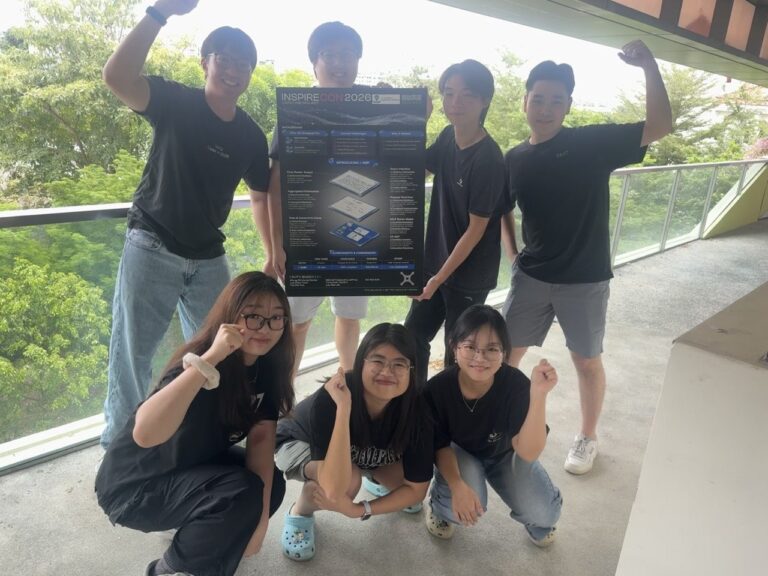
Lee Wei Jie (ISTD), Lee Peck Yeok (ESD), Tania Koh Tze Ern (ISTD), Do Viet Anh (ISTD), Wong Zhi Hung Xavier (ESD), Tay Pei Yun (ESD), Mikhail Yasoputra Jeffrey (ISTD)
Instructors:
Wang Bo Angela
Writing Instructors:
Bernard Tan
Belinda Seet
Problem
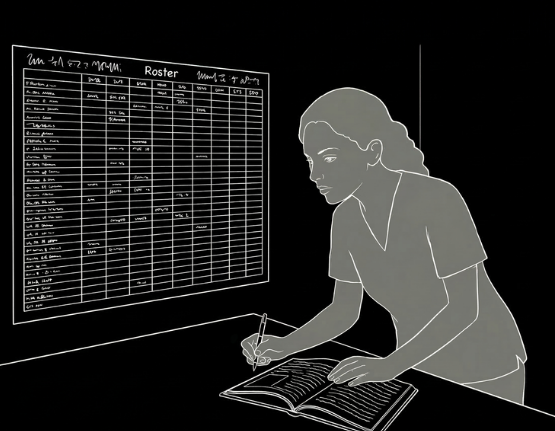
7:00PM: The Transition
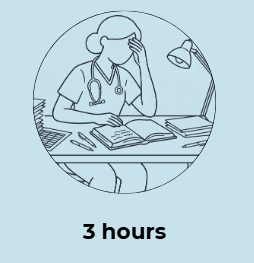
After a long day in the ward, the Nurse Manager sits down at her desk. Instead of heading home to her family, she opens a massive, color-coded spreadsheet. This is the Manual Roster.
9:30PM: The Planning Process
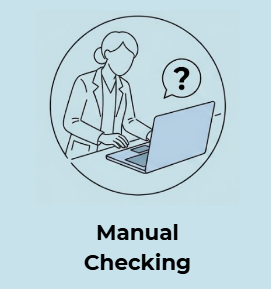
For over two hours, she has been cross-referencing the communication book, and leave requests with the master roster. She’s trying to ensure the ward has the right mix of senior and junior staff while trying to be fair to everyone.
11:30PM: The Rule Verification
She is exhausted as she double-checks regulatory rules. She has to manually verify rest times between shifts and weekend coverage. The process is slow and prone to error, but it is the only way to keep the ward operational.
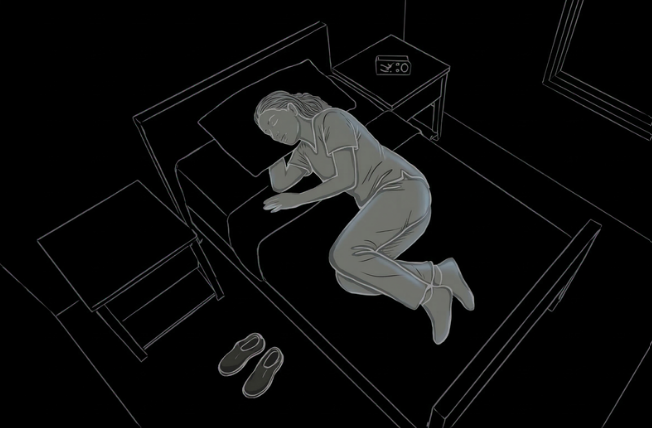
12:30AM: The Task Completion
She finally closes the books. The schedule is done, but she knows she has to be back on the ward in just a few hours. She collapses into bed exhausted.
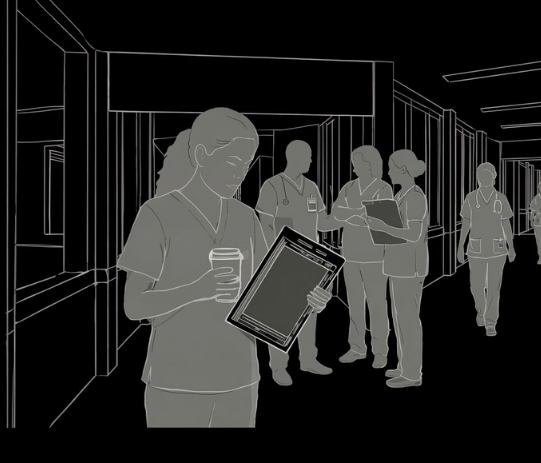
7:00AM: The Next Day
Exhausted and running on caffeine, she starts her actual clinical shift. The manual process took her energy, leaving a tired manager to lead a team through the day.
Current rostering challenges are prevalent among
Nurse Managers and Ward staff
As healthcare demands increase with Singapore’s ageing population, efficient nurse scheduling has become critical to maintaining high standards of patient care. However, existing rostering processes remain largely manual, requiring nurse managers to balance complex constraints such as regulatory requirements, staff preferences, and skill coverage. This often leads to time-intensive planning, inconsistencies in scheduling, and limited visibility into workforce allocation, ultimately resulting in administrative burden and potential disruptions to care delivery.
But DUBY was built to carry that burden for you.
With Duby by your side, you will never walk alone.
Like a trusted buddy on a difficult journey,
there is always someone to accompany you…
Meet DUBY!
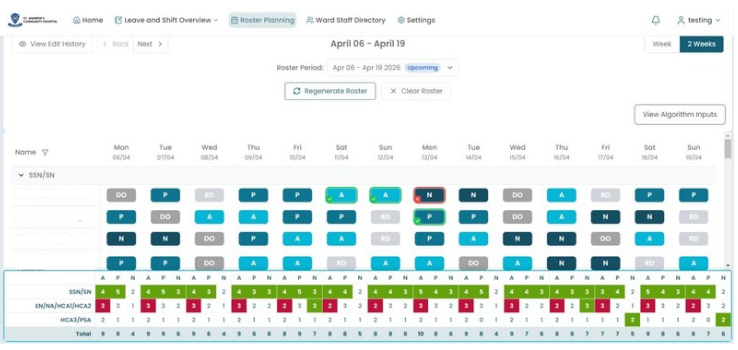
Real-Time Demand Monitoring
Visual Status Indicators: Uses a color-coded system (Green/Red) to immediately flag whether shift requirements are met.
Role-Based Tracking: Monitors different staff tiers separately (e.g., SSN/SN vs. EN/NA/HCA) to ensure the right skill mix for every shift (AM, PM, and Night).
Shortage Alerts: Automatically flags “short of staff” days, allowing managers to make manual adjustments before finalizing.
Now, imagine you are a busy nurse manager and first-time user of the DUBY, tasked with managing the complex staff schedules for Ward B.
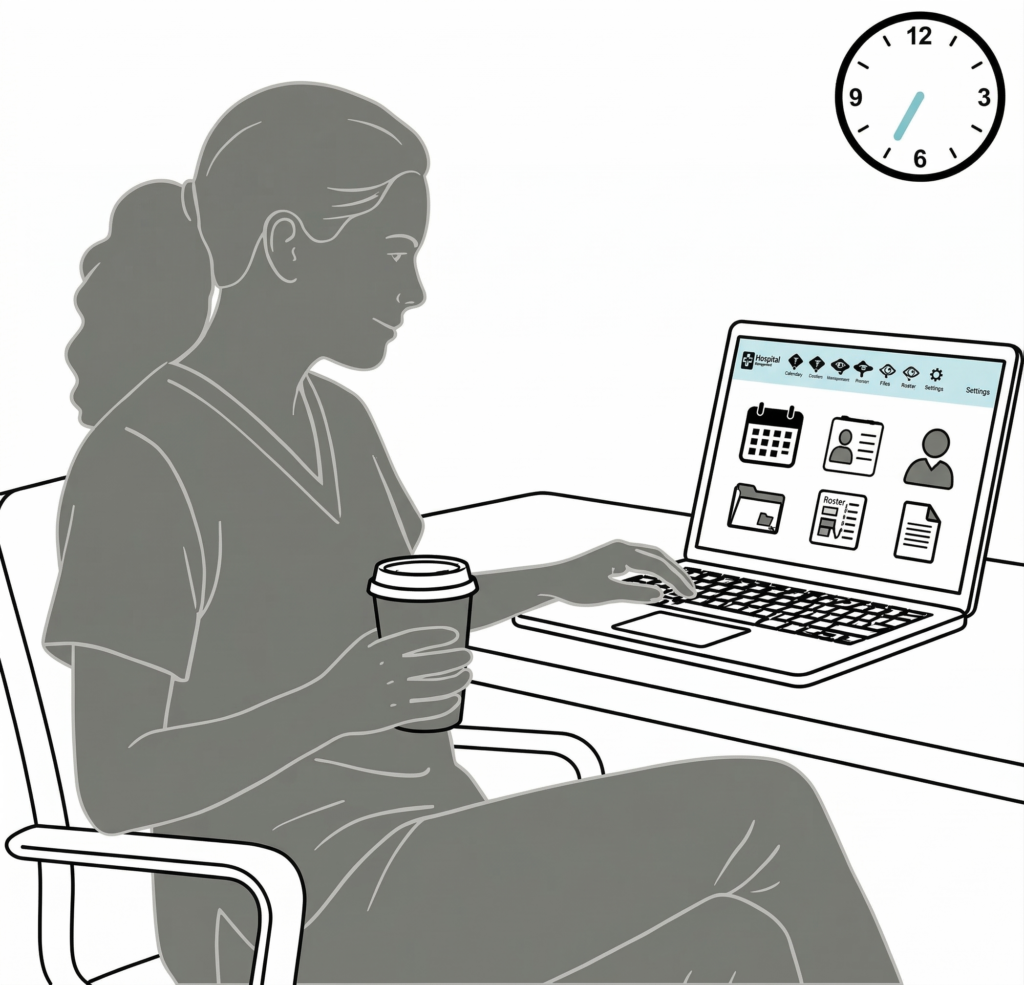
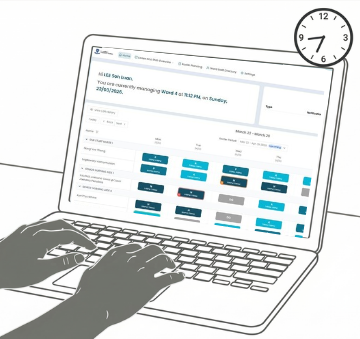
7:00PM: The Transition
The ward handover is finished and the Nurse Manager opens DUBY on her laptop to begin roster creation. The system has already synchronized the latest staff availability and requests automatically.
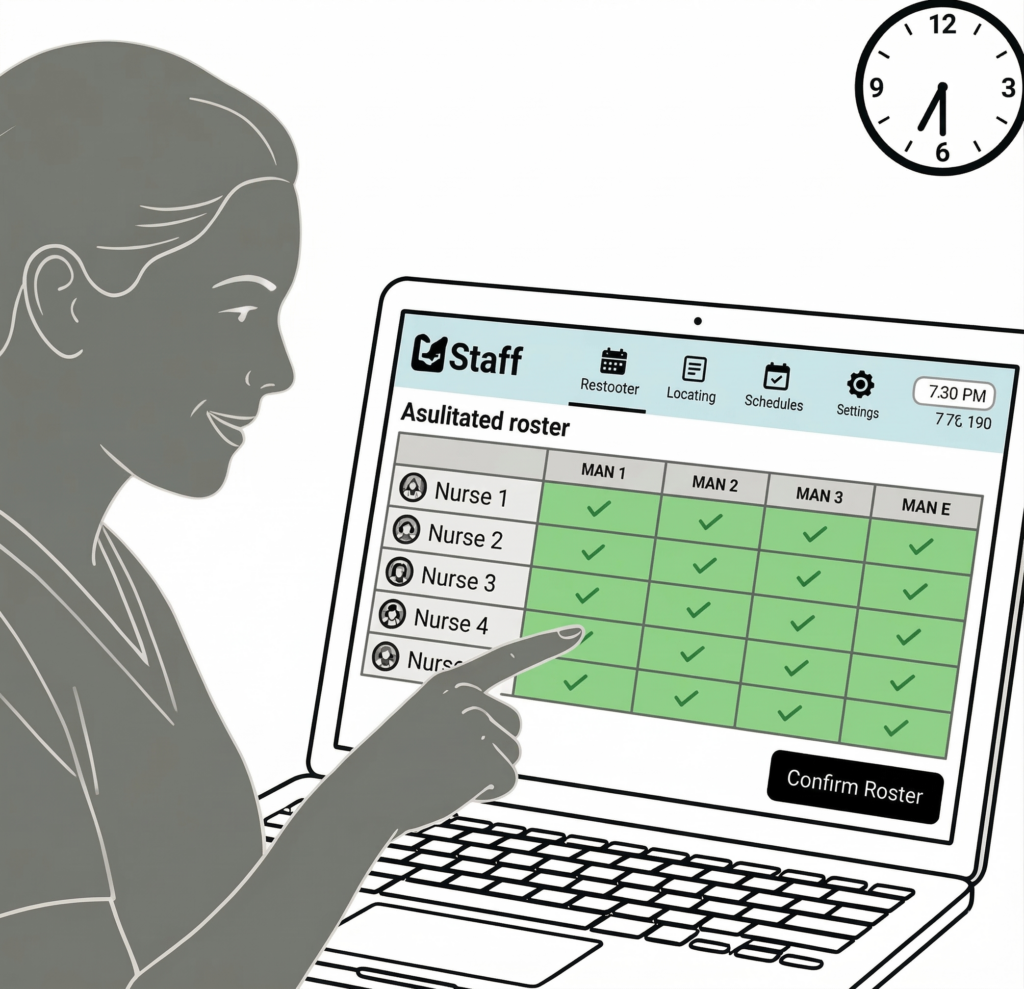
7:15PM: The Planning Process
The Nurse Manager approves pending leave and shift requests, then initiates the solver. DUBY generates a roster that balances ward needs with staff availability, automatically ensuring a safe skill mix of senior and junior staff without the need for manual calculations.
7:25 PM: Roster Generation
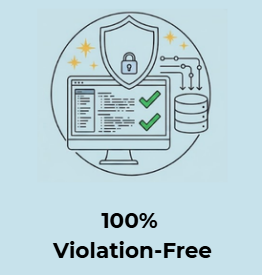
The roster generates successfully, showing zero conflicts and full compliance with every regulatory rule. With a sense of relief, she sends the finalized schedule to the team and closes her laptop.
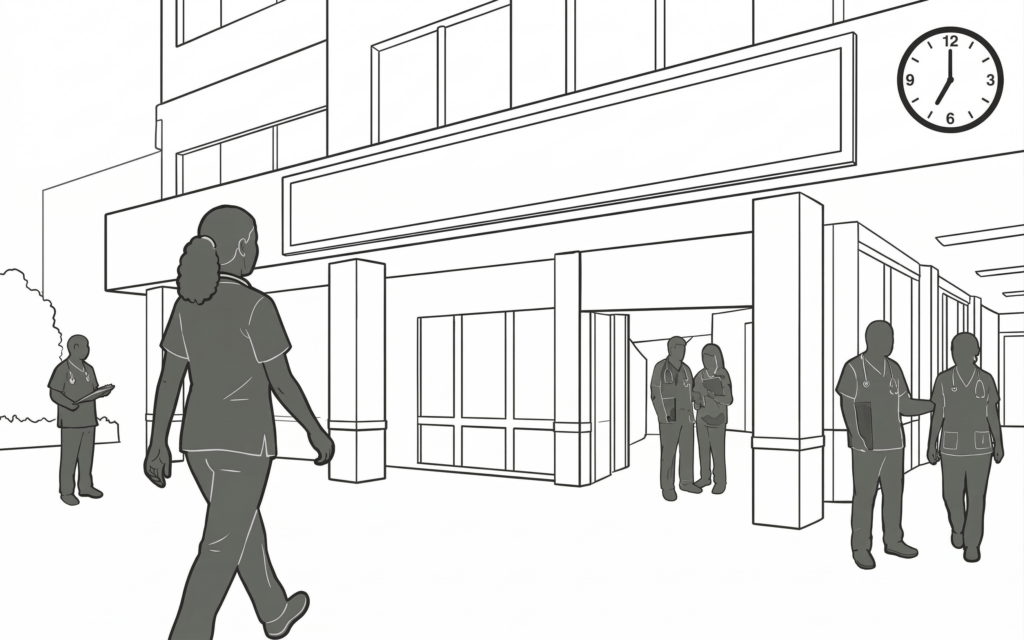
7:00 AM: The Next Day
She arrives at St. Andrew’s Community Hospital feeling refreshed and focused. Because the administrative burden was handled by DUBY, she can dedicate her full energy to clinical excellence and supporting her nursing team.
System Features & Functionality
To better understand how DUBY works, let us walk you through the 3 main features of the webapp.
Home View
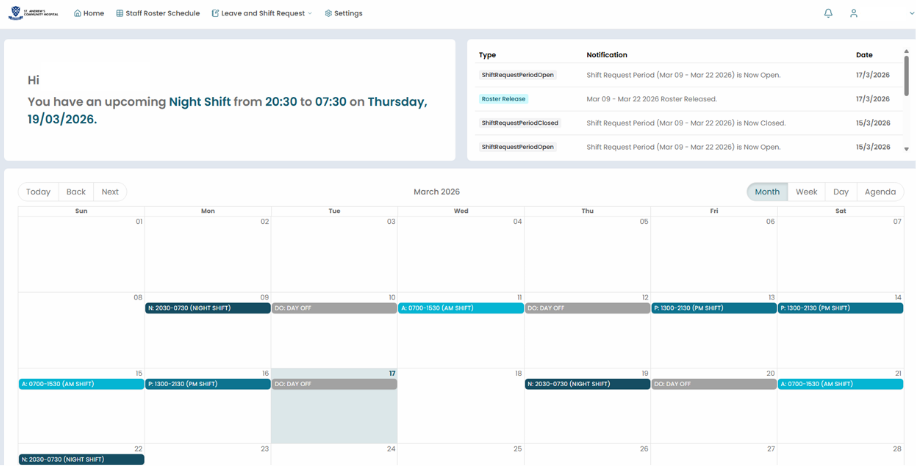
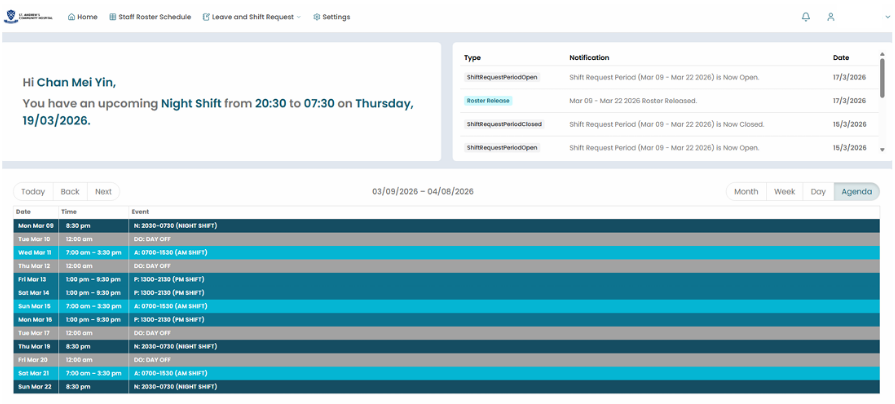
Homepage: Personalized Roster Overview
Once the hospital administration has finalized and published the roster, staff members can access their personalized schedules directly through the DUBY Homepage. This centralized dashboard is designed to provide immediate clarity on upcoming shifts and duties.
Dynamic Schedule Visualization
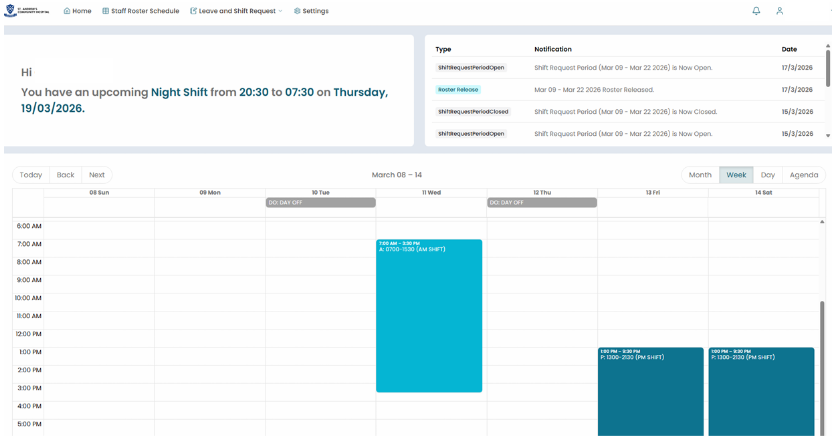
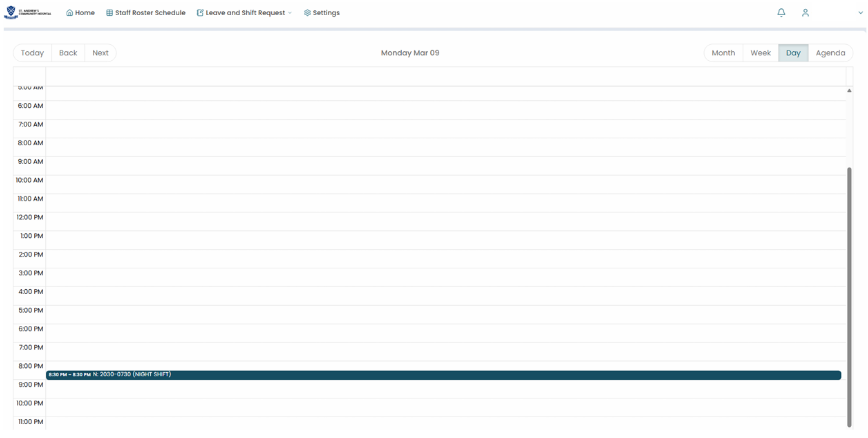
To cater to different planning needs, the Homepage features a versatile calendar interface. Users can seamlessly toggle between four distinct viewing modes to better manage their work-life balance:
Month View: Provides a high-level overview of the entire month’s commitments, ideal for long-term planning.
Week View: Focuses on the current 7-day cycle, showing specific shift timings and team overlaps.
Day View: A granular look at the current 24-hour period, highlighting immediate tasks.
Agenda View: A simplified, list-based layout that prioritizes upcoming shifts in chronological order for quick reference on the go.
The system moves away from manual planning by using an intelligent algorithm.
Generate Algorithm Roster: Nurse Managers can trigger the system to automatically populate the schedule based on constraints.
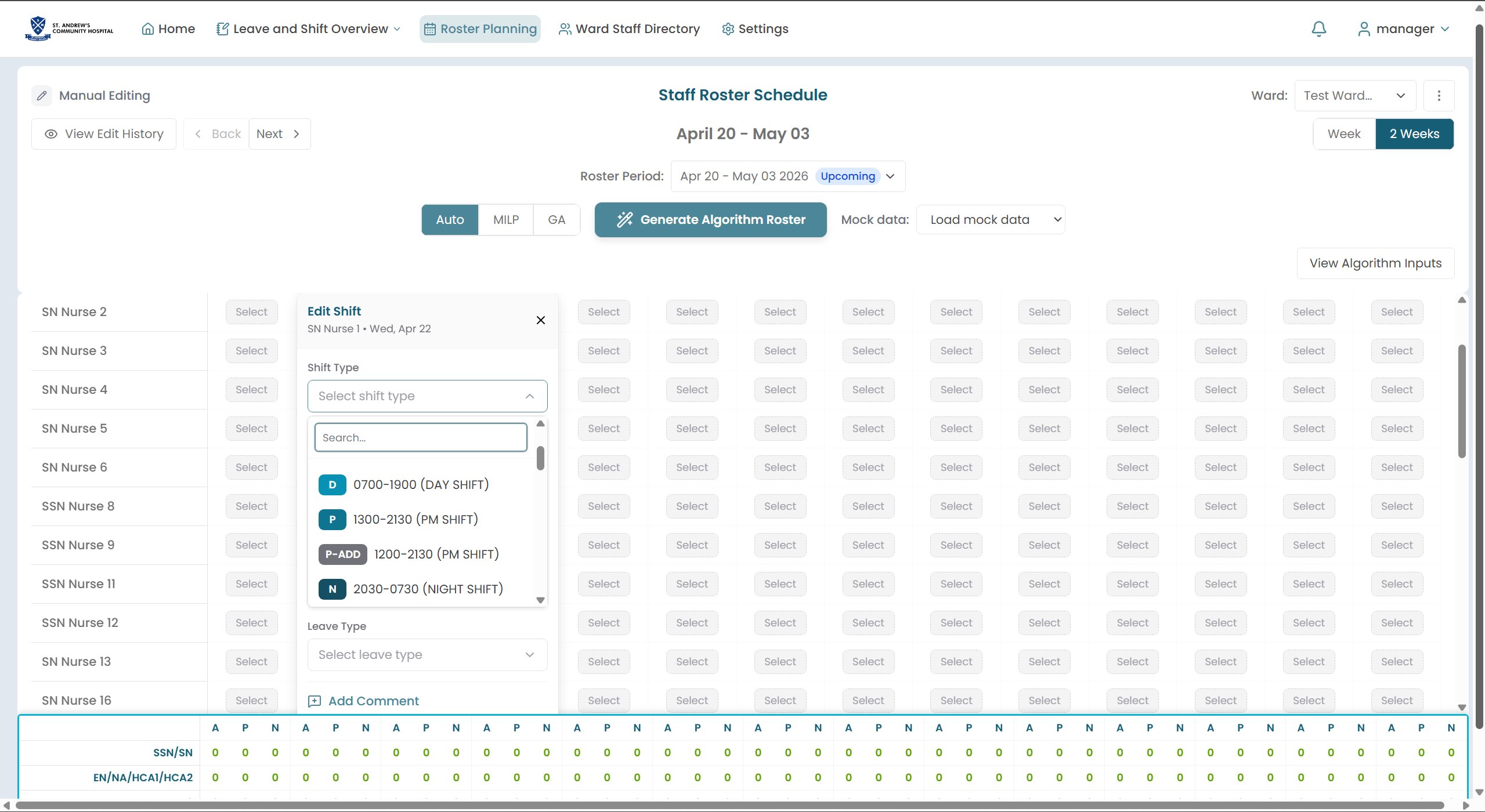
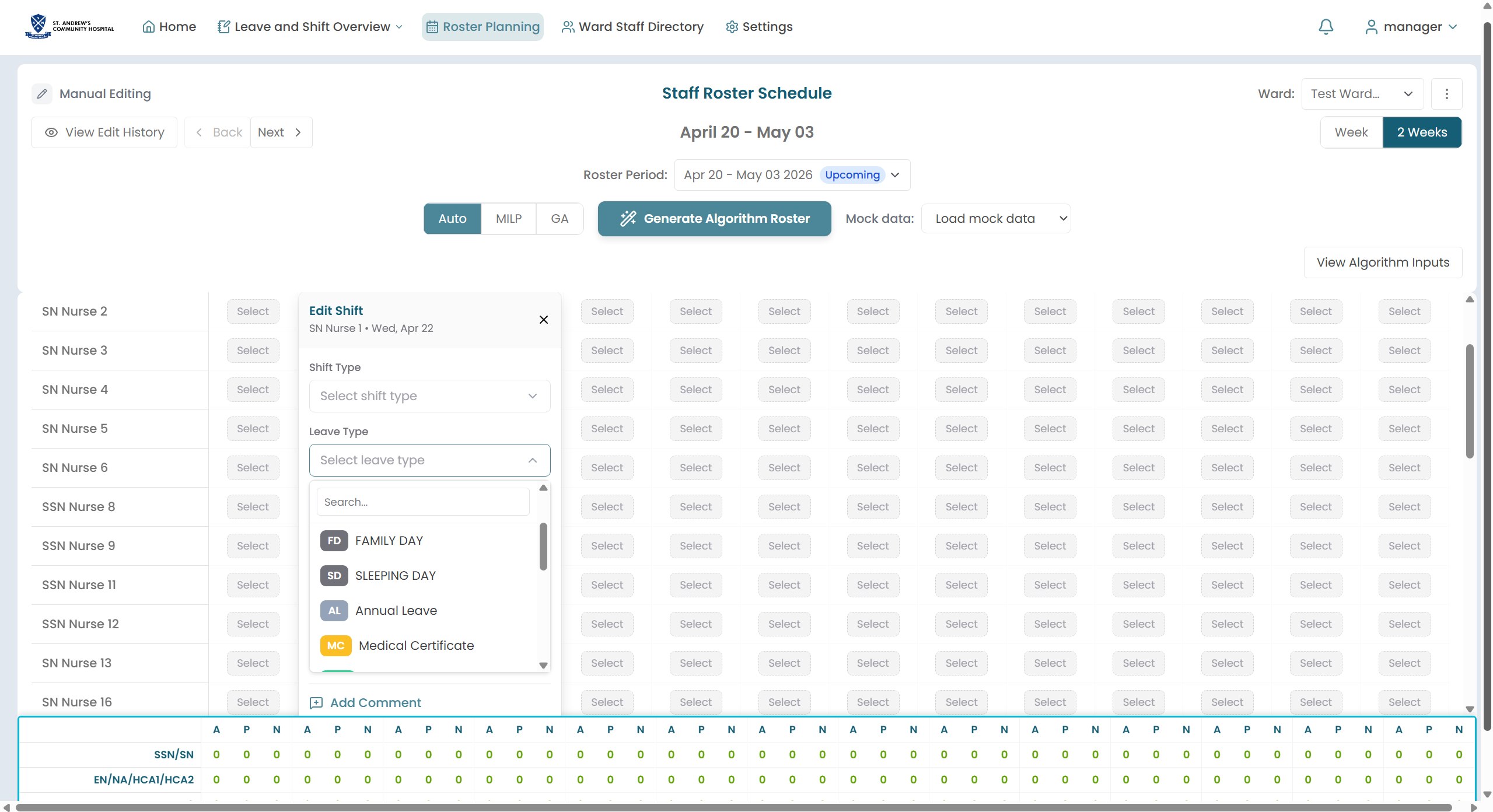
Dynamic Shift & Leave Management
The system provides granular control over individual staff schedules through an intuitive pop-up interface.
Versatile Shift Types: Supports various shift patterns (e.g.,D,P / P-ADD,N).
Integrated Leave Tracking: Managers can assign leave types directly within the roster (e.g., Annual Leave, Medical Certificate, Family Day), ensuring these are accounted for in the staffing totals.
Manual Overrides: Even after a roster is generated, users can click any cell to “Edit Shift” for fine-tuning.
DUBY simplifies the complex process of managing staff availability by consolidating shift swaps and leave applications into a single, synchronized workflow.
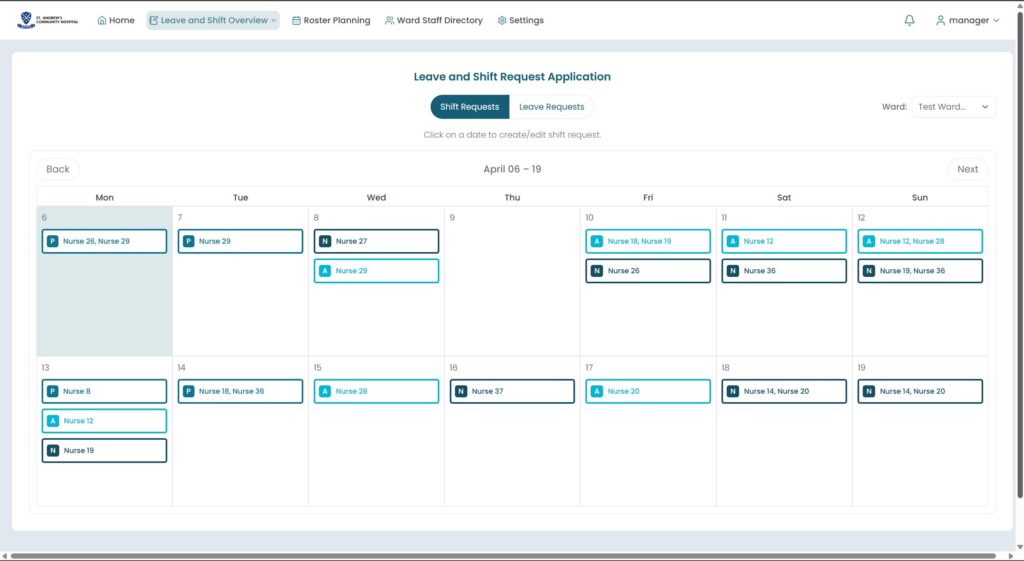
Visual Demand Planning (Calendar View)
The central calendar provides a transparent, bird’s-eye view of all incoming requests for the roster period.
Real-Time Distribution: Managers can immediately see which dates have high request volumes, helping to identify potential staffing gaps before they happen.
Interactive Scheduling: Click on any date to view, create, or edit specific shift requests directly on the timeline.
Color-Coded Clarity: Shift types (AM, PM, Night) are visually distinct, allowing for a quick mental tally of ward coverage.
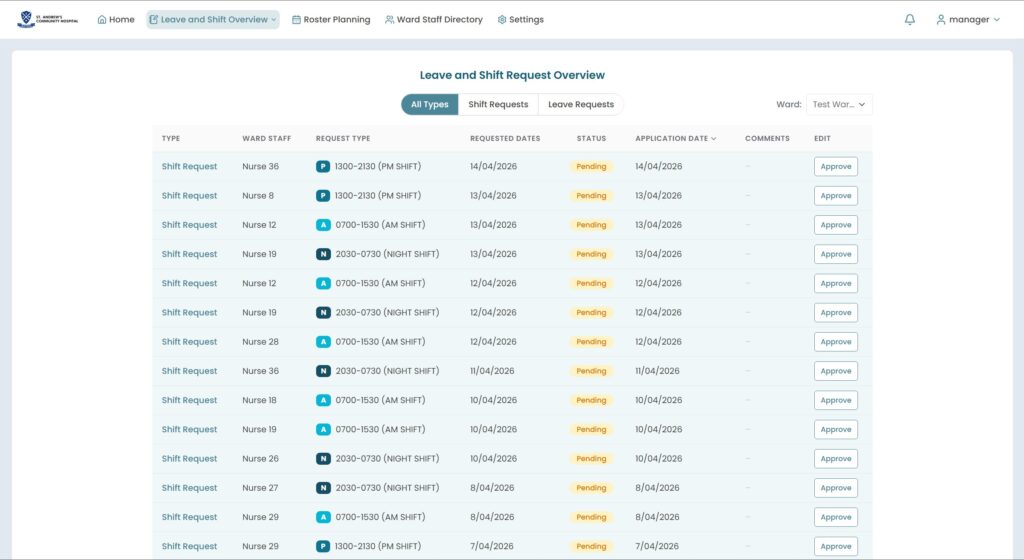
Centralized Request Tracking (Overview Table)
For high-volume management, the Overview Table provides a powerful administrative dashboard to sort and filter staff needs.
Unified Queue: View both Shift and Leave requests in one master list.
Dynamic Status Monitoring: Track the lifecycle of every application from “Pending” to “Approved” with clear status badges.
Automated Metadata: Every entry is timestamped with the application date, ensuring a “first-come, first-served” approach to fairness.
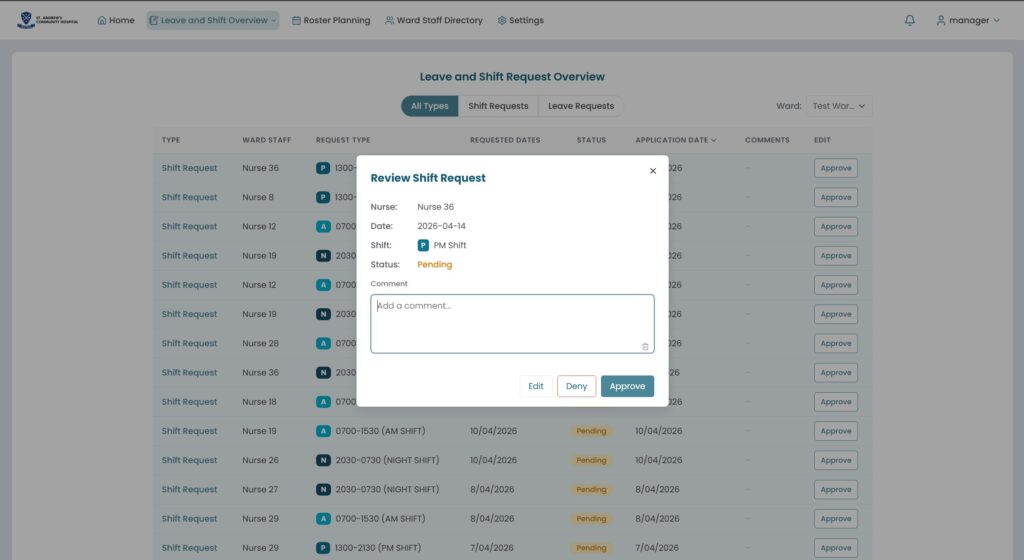
Informed Decision Making (Review Shift Feature)
DUBY ensures that approvals aren’t just fast, but also documented and considered.
Detailed Review Modal: Clicking on each application opens a focused view containing the staff member’s specific details, requested shift, and current status.
Communication Loop: Managers can add internal comments or feedback directly into the request during the review process.
One-Click Action: Simplified “Edit,” “Deny,” or “Approve” buttons allow for rapid-fire roster finalization, which then automatically updates the master roster.
How did we turn complex hospital policies into a working schedule?
Let’s dive into the algorithms and cloud architecture that brings DUBY to life.
Our Methodology: The Algorithm
Our system integrates a Two-Tiered Hybrid Approach designed to handle the high-stakes constraints of a real-world hospital environment.
1. The Input
DUBY captures multi-group data to ensure every ward is covered correctly:
Role-Based Requirements: Simultaneously schedules RN, EN, and HCA staff.
Shift & Day Types: Manages Morning/Afternoon/Night rotations alongside Leave, Rest, and Special duties.
Complex Constraints: Encodes real-world safety rules, such as mandatory rest after night duty and weekly workload limits.
2. The Hybrid Engine
Data is refined through a primary and fallback solver to ensure a schedule is always generated:
Primary Solver (MILP): Uses Mixed-Integer Linear Programming for mathematical optimality, ensuring all “Hard” constraints and fairness rules are satisfied.
Fallback Solver (CP-SAT): If the MILP model finds no perfect solution (e.g., during severe understaffing), our Constraint Programming solver is triggered automatically to return a logically feasible working schedule.
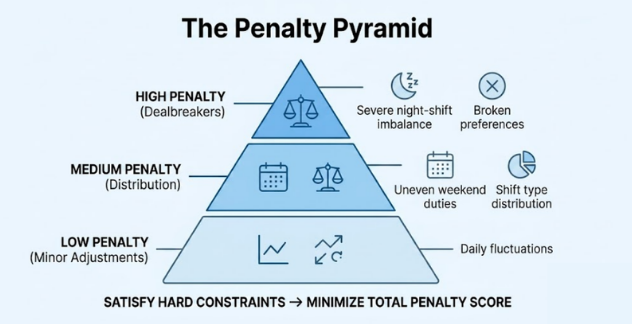
3. Penalty-Based Optimization
Instead of binary “yes/no” decisions, DUBY uses a Weighted Penalty System to refine the schedule:
High Penalties: Assigned for breaking strong preferences or creating severe workload imbalances (e.g., one nurse overloaded with night shifts).
Medium/Low Penalties: Used to smooth out uneven shift distributions or minor daily fluctuations.
Refined Output: The final objective is to satisfy all safety rules while reaching the lowest possible penalty score for staff satisfaction.
Technical Infrastructure
We have built DUBY on a three-layer cloud architecture to ensure it remains fast, secure, and cost-effective for SACH.
The Operational Automation Layer
The system is designed to “work while you sleep” through automated triggers:
Automated Execution: Amazon EventBridge acts as a timer to trigger the rostering algorithm at fixed intervals.
Seamless Notifications: Once a roster is finalized, Amazon SES automatically alerts Nurse Managers and staff via email.
The Software Application & Security Layer
Built for accessibility and enterprise-grade protection:
Global Content Delivery: We use Amazon CloudFront to cache the React frontend, ensuring the app feels instantaneous for all 500 users.
Built-in Protection: CloudFront provides DDoS protection via AWS Shield and enforces HTTPS encryption to keep sensitive personal data safe.
The Data & Storage Layer
Optimized for durability and cost-efficiency:
Decoupled Storage: By using Amazon S3, exported rosters (PDF/Excel) and staff lists are stored independently of the application server.
Right-Sized Computing: We utilize a t3.large EC2 instance—the “sweet spot” for supporting 50 concurrent active users with high performance.
Sustainable Handover: Built on a minimal AWS architecture to ensure low-maintenance and easy deployment for the hospital’s non-technical staff.
How does DUBY Do it Different?
Time Savings
Safety & Compliance
Scalability
Who Made DUBY the Best?
Our Partners at SACH
Thank you to the SACH staff for being such supportive partners throughout this project. We appreciate the time you took to provide consistent feedback and help us understand the nursing workflow. Your support was essential in ensuring DUBY truly serves the hospital’s needs.
Our Advisor, Wang Bo
We are incredibly grateful to Wang Bo for her dedicated guidance and patience. She always took the time to understand our team’s challenges and provided the advice we needed to stay on track. We appreciate her constant support and effort to help us succeed.
Writing Instructor, Bernard Tan
Special thanks to Bernard for his expert guidance in refining our project’s narrative. His feedback was instrumental in helping us present complex ideas with clarity and professionalism. We appreciate his dedication to ensuring our team’s message was impactful and well structured for our audience.
At Singapore University of Technology and Design (SUTD), we believe that the power of design roots from the understanding of human experiences and needs, to create for innovation that enhances and transforms the way we live. This is why we develop a multi-disciplinary curriculum delivered v ia a hands-on, collaborative learning pedagogy and environment that concludes in a Capstone project.
The Capstone project is a collaboration between companies and senior-year students. Students of different majors come together to work in teams and contribute their technology and design expertise to solve real-world challenges faced by companies. The Capstone project will culminate with a design showcase, unveiling the innovative solutions from the graduating cohort.
The Capstone Design Showcase is held annually to celebrate the success of our graduating students and their enthralling multi-disciplinary projects they have developed.