

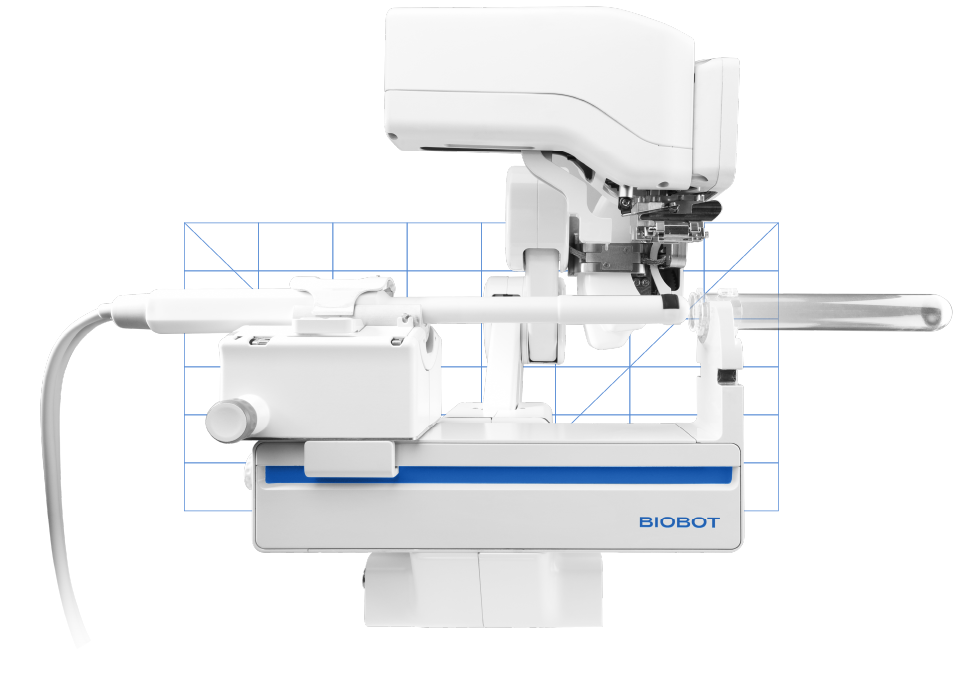






Image: Biobot’s Mona Lisa 2.0; Image referenced from https://biobotsurgical.com
Industry Partner
BIOBOT SURGICAL
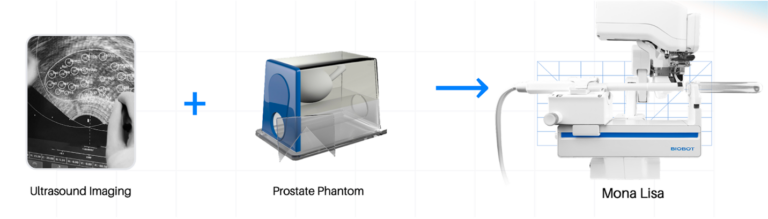
Biobot Surgical is a Singapore-based medical technology company that specializes in robotic-assisted systems for the precise diagnosis and treatment of prostate cancer.
Its flagship platform, the iSR'obotâ„¢ Mona Lisa, utilizes advanced MRI-ultrasound fusion and robotic needle guidance to perform transperineal biopsies with sub-millimeter accuracy. This minimally invasive approach significantly reduces infection risks compared to traditional methods while improving the detection of clinically significant cancers in challenging areas of the prostate.
Current Procedure


Pain Points
The Clinical Bottleneck
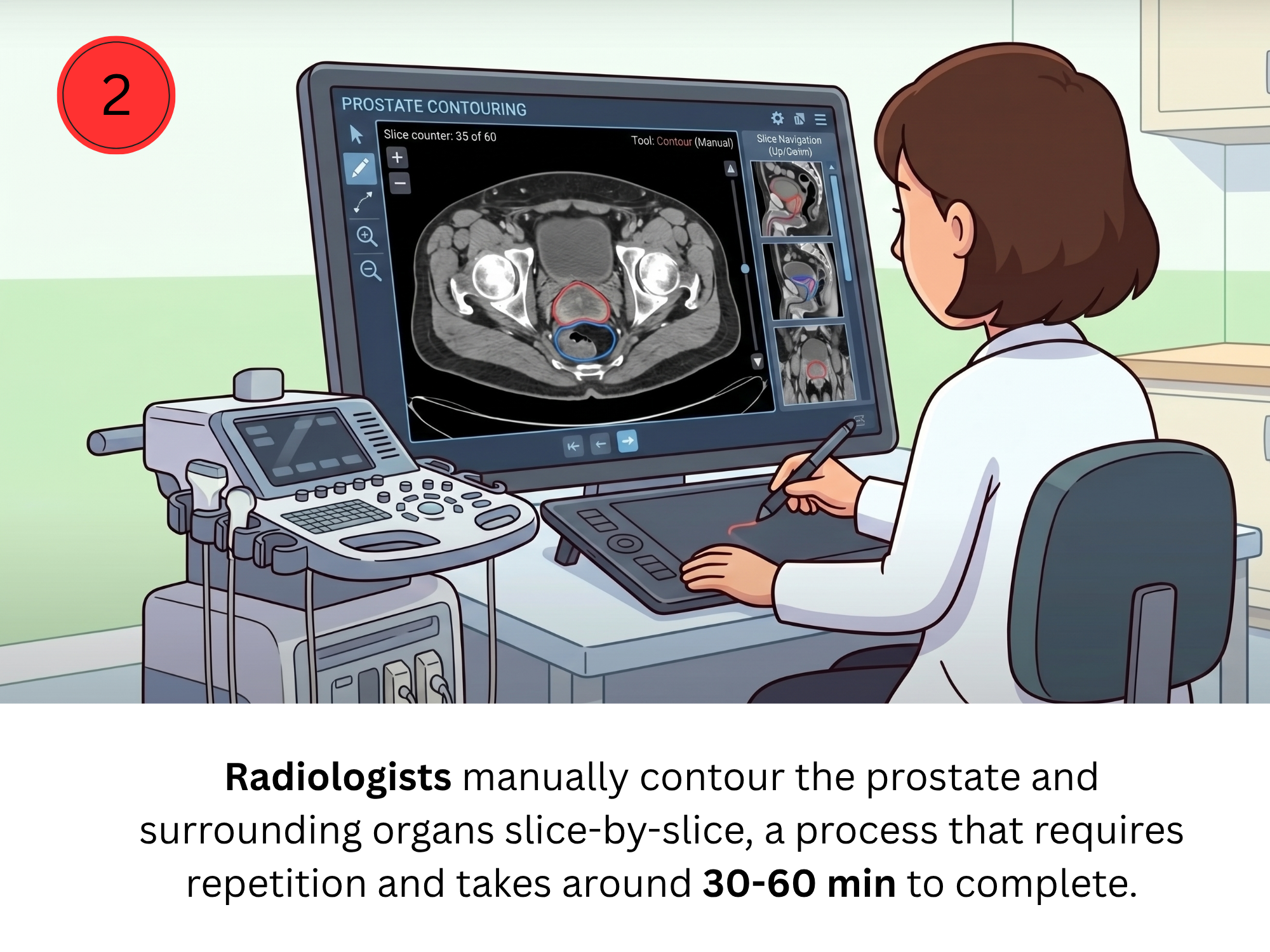
Manual annotation takes hours of expert time, and is subjective to the annotator who might have a different level of expertise.
Anatomical Oversight
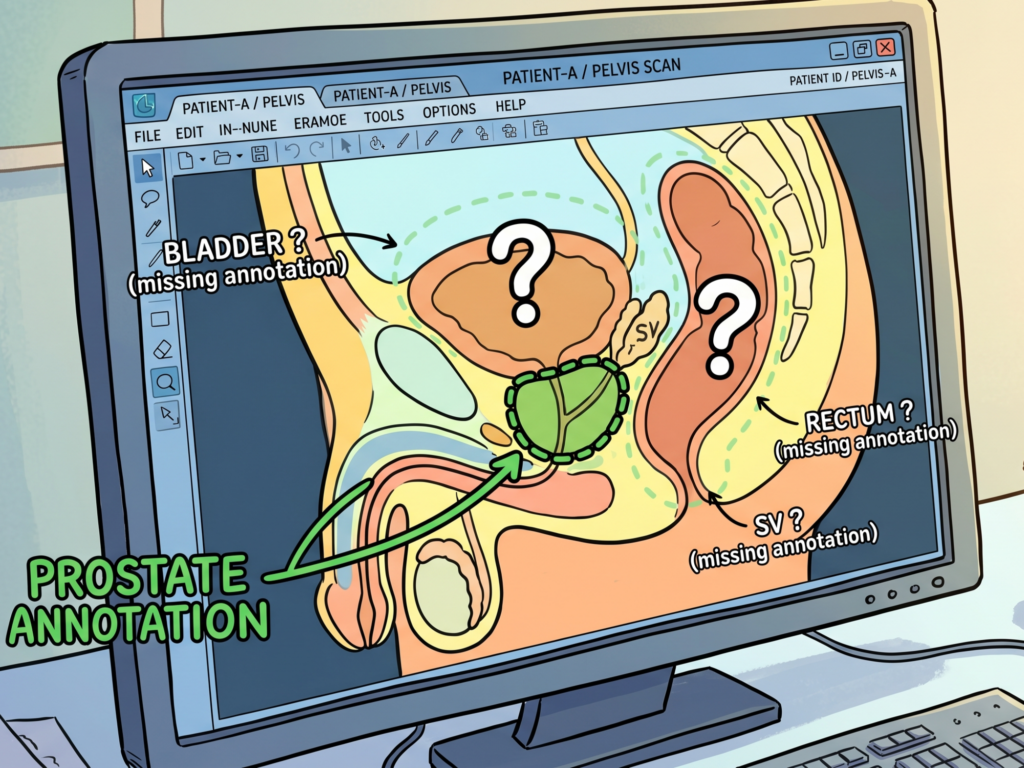
Existing datasets and tools focus almost exclusively on the prostate, leaving a critical lack of annotations for surrounding “Organs-at-Risk” (OARs) such as the bladder, seminal vesicles (SV), and rectum.
The Realism Gap
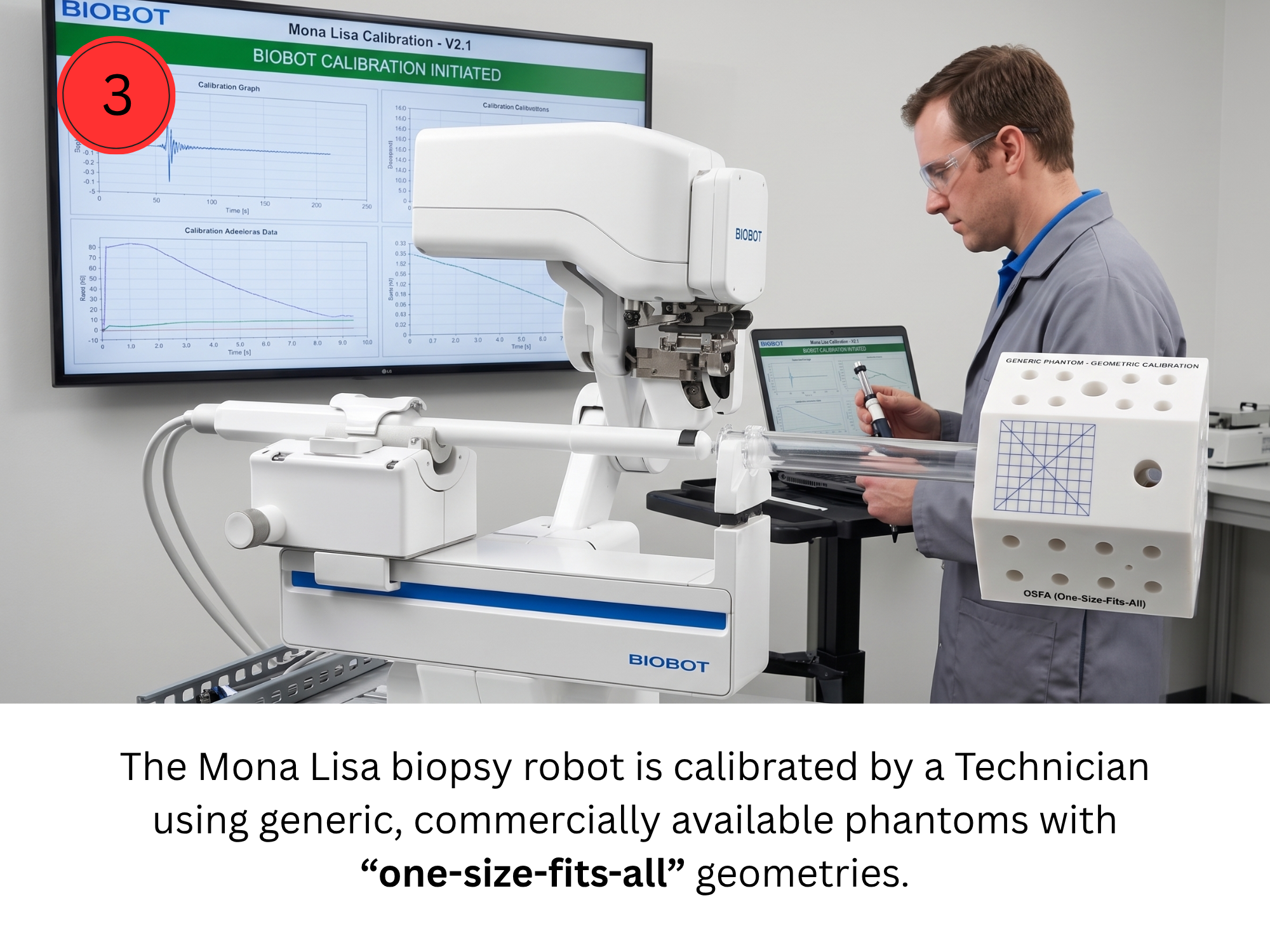
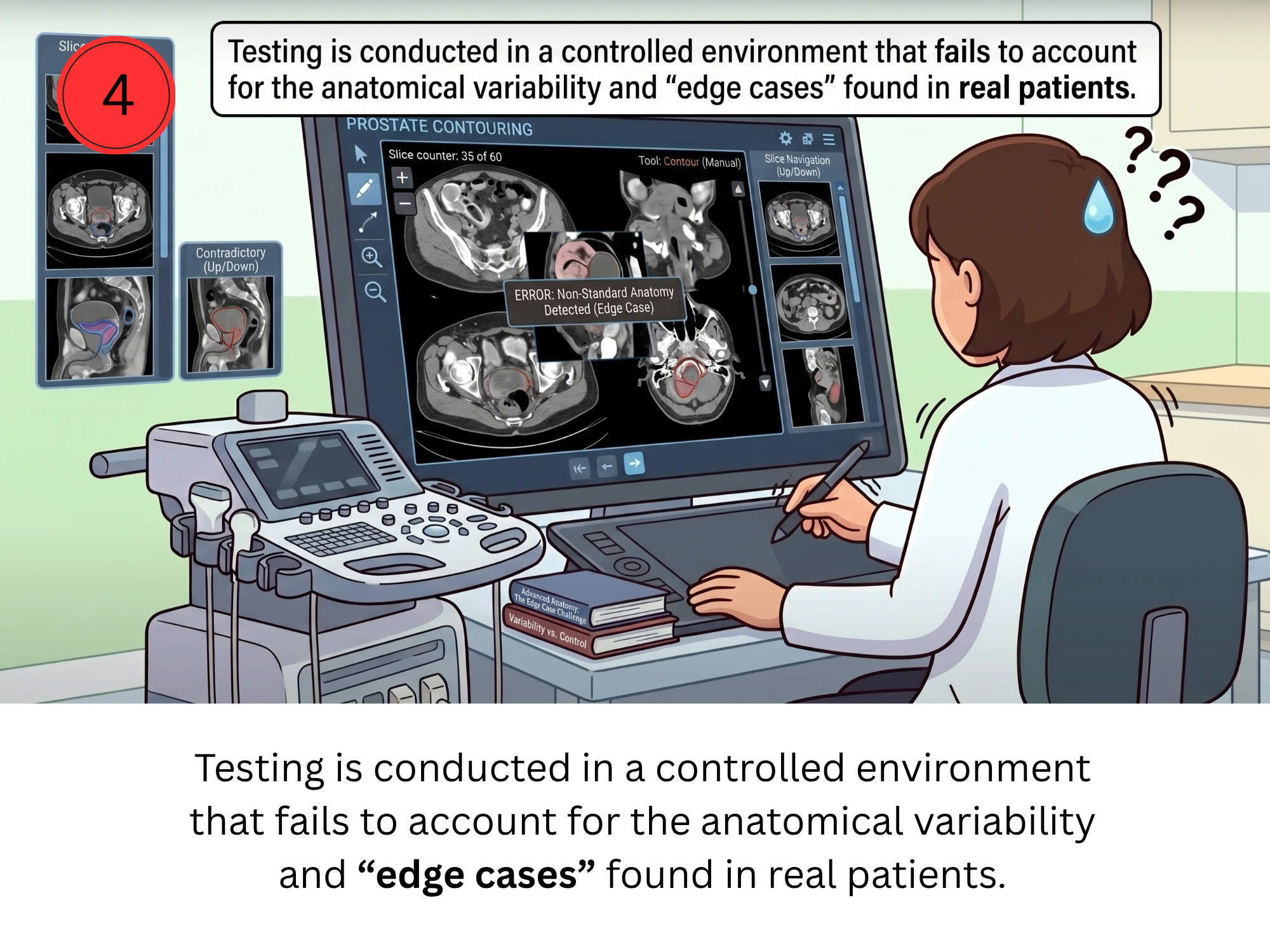
Because current phantoms cannot be modified, they cannot simulate complex intra-operative scenarios, leaving the biopsy system unproven against diverse anatomies.
Problem Statement
How might weÂ
 automate and streamline the segmentation of the prostate and surrounding organs,Â
and validate it through  calibration & testing on a modifiable prostate phantom ,Â
to  improve the accuracy and efficacy of the Mona Lisa prostate biopsy procedure?
Proposed Solution
AI MRI Segmentation
Using open-sourced MRI datasets, we consulted with industry experts to annotated the features in the data.
Then, we finetuned four different segmentation models (MedSAM3, YOLO-11N, ViT and ResNet).
We benchmarked the models against each other and compared the DICE similarity score of each model for each class. The best model is then integrated into a full-stack application with a clean interface and a 3D model viewer for medical practitioners to view the segmented MRI images in 3D.Â
AI Model Training Pipeline
ProSeg Application Demo
Adjustable Prostate Phantom
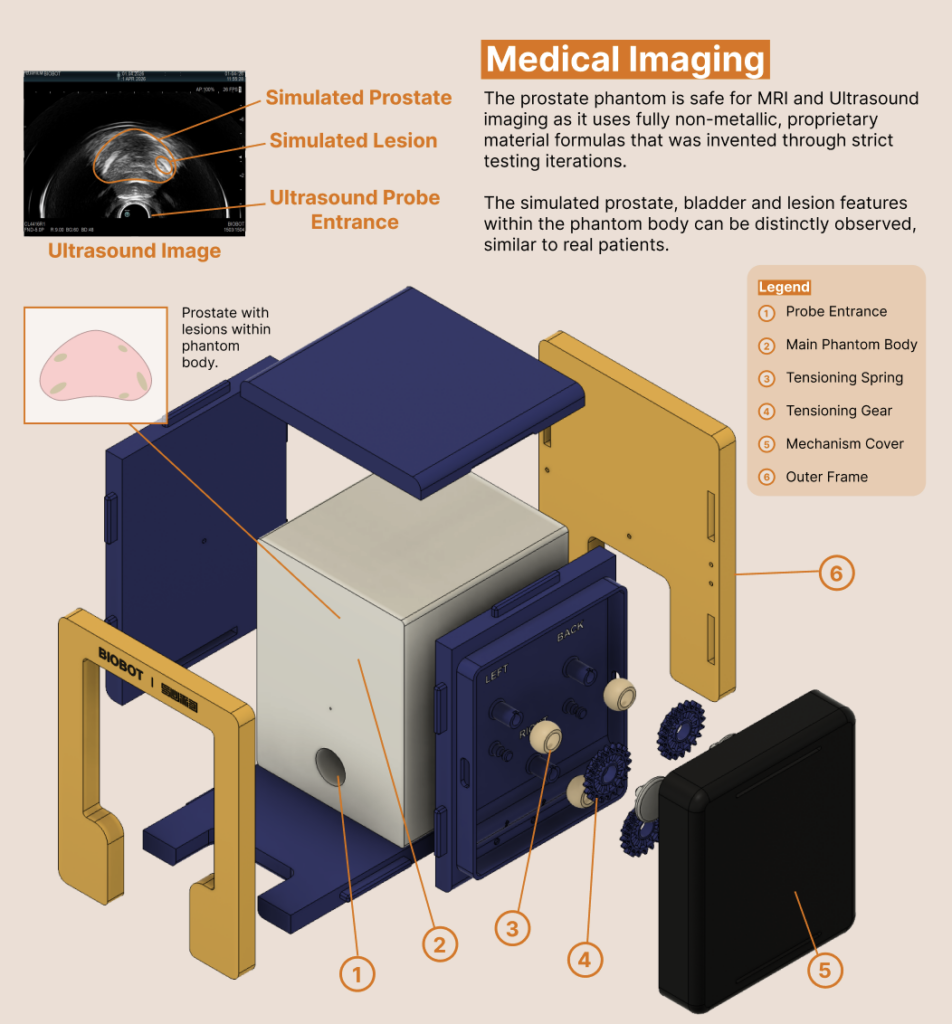
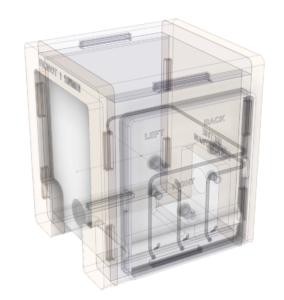
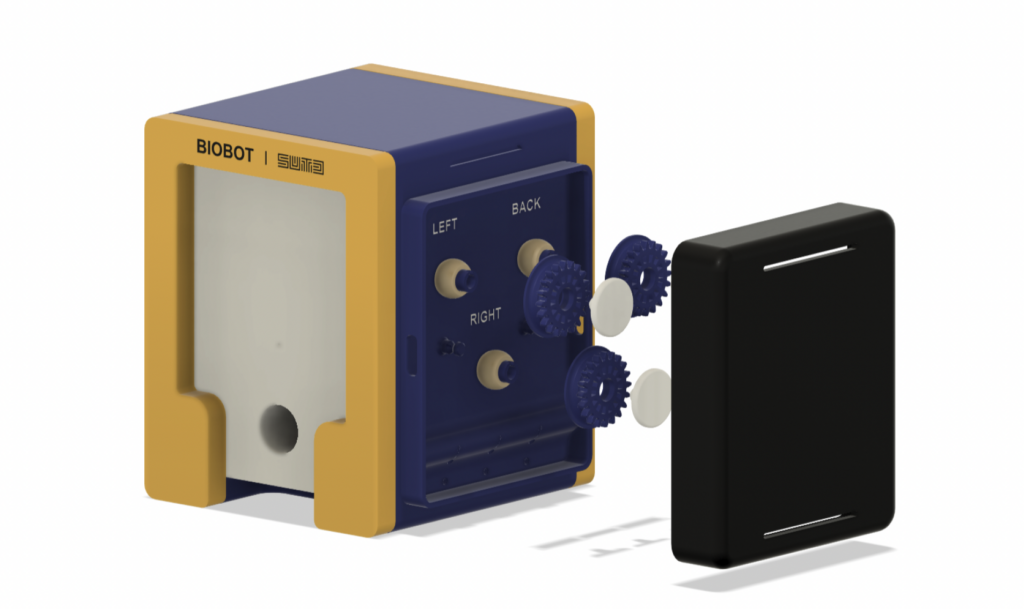
In its fully assembled form, the phantom presents a front-panel interface with three directional control dials which can be adjusted manually or automatically through electronic system.
These allow real-time adjustment of the internal prostate position without disassembling the unit, keeping workflow efficient during training sessions and multi-user environments.
Mechanism
This configuration is what enables controlled, multi-directional prostate repositioning.
This allows clinicians to simulate lateral and posterior organ position variations to reflect real patient conditions.
The rear-facing casing serves as a protective housing for the internal adjustment mechanism.
Designed to be detachable, it can be easily removed to access to the internal components is required.
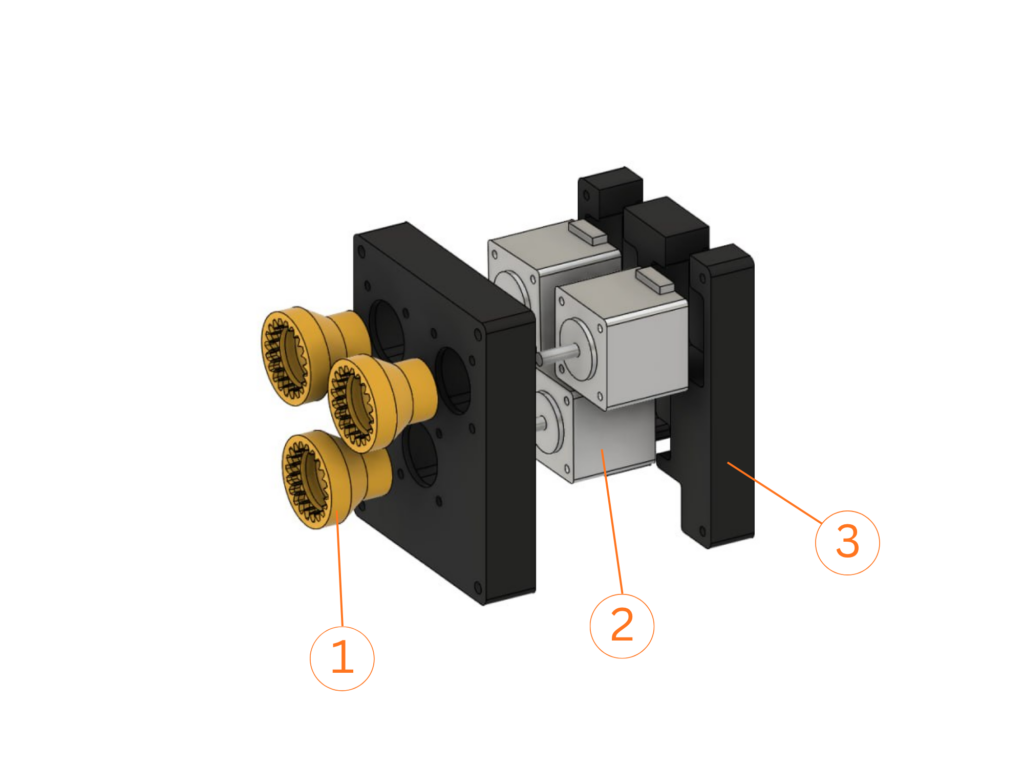
1. Gear Coupler
The gears will slot into the interface so that it can be turned by the stepper motors. A taut pulley system controls the left, right & backwards movement of the prostate within the phantom.
2. Two-Phase Stepper Motor​
The stepper motors will move in-sync to control 2-axes of movement.
3. Microcontroller, Driver & Buttons
The user can control the turning direction through buttons connected to a microcontroller that controls the motors.
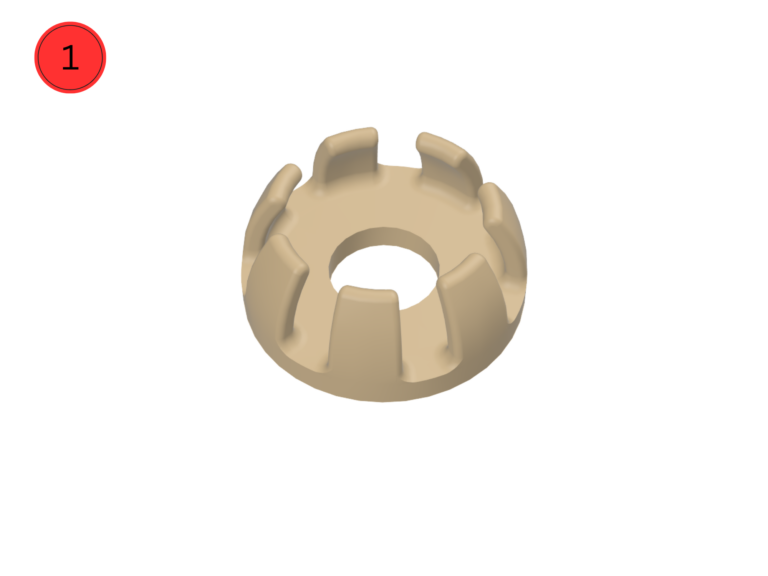
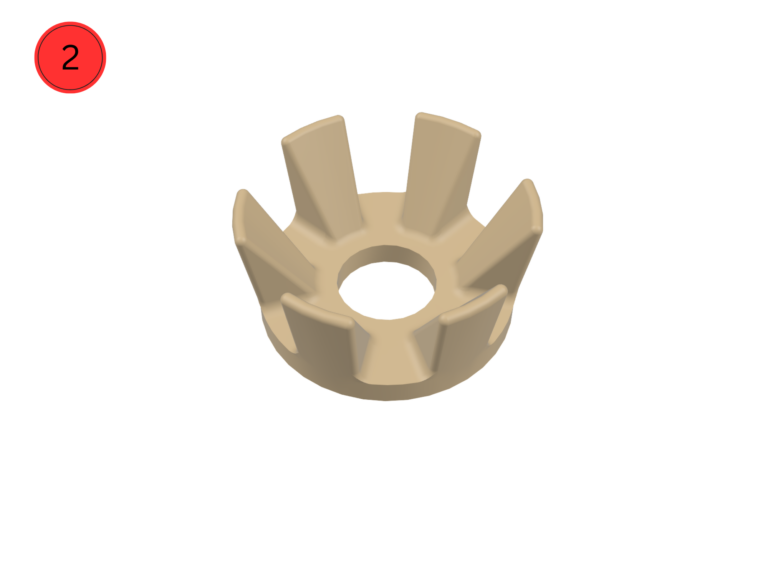
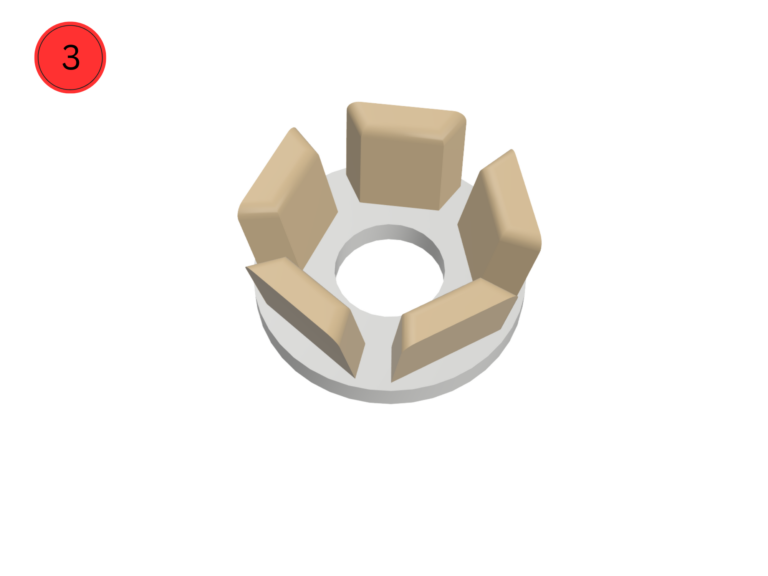
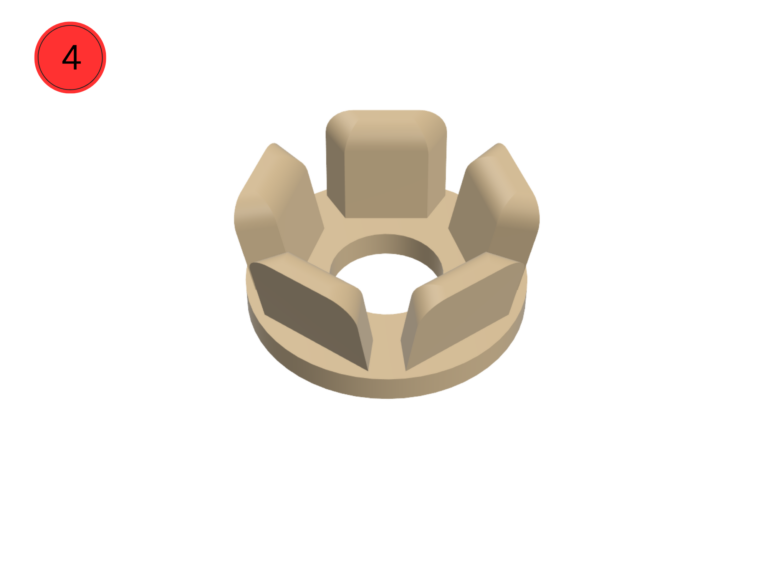
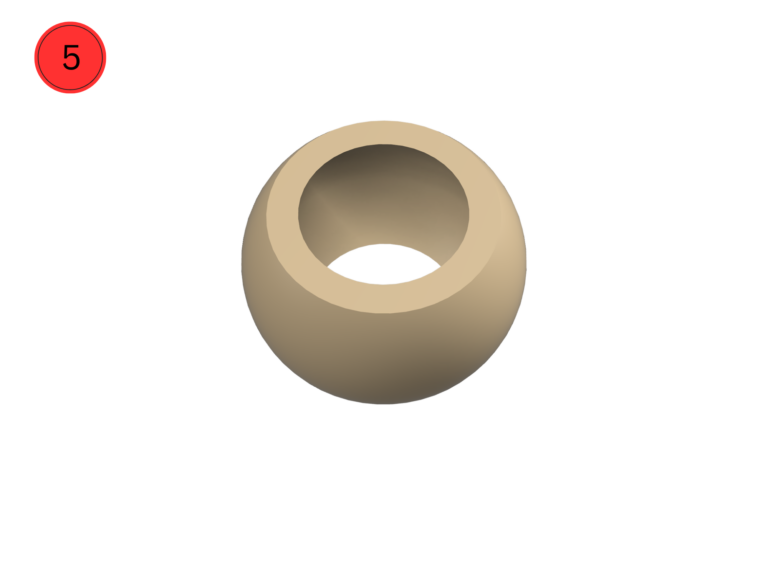
Spring Iteration
The gear component was iteratively refined to improve adjustment precision, contact stability, and force transmission within the phantom mechanism. Variations in gear profile and surface geometry were explored to achieve smoother motion and more controlled phantom reconfiguration.


The PROSTA-TEAM

Julian How
Engineering Product & Design
(Mech Eng)

Keegan Mariono
Engineering Product & Design
(Mech Eng)

Kevin Chua
Engineering Product & Design
(Com Eng)

Jin Jun
Computer Science & Design
(SWE + AI)